
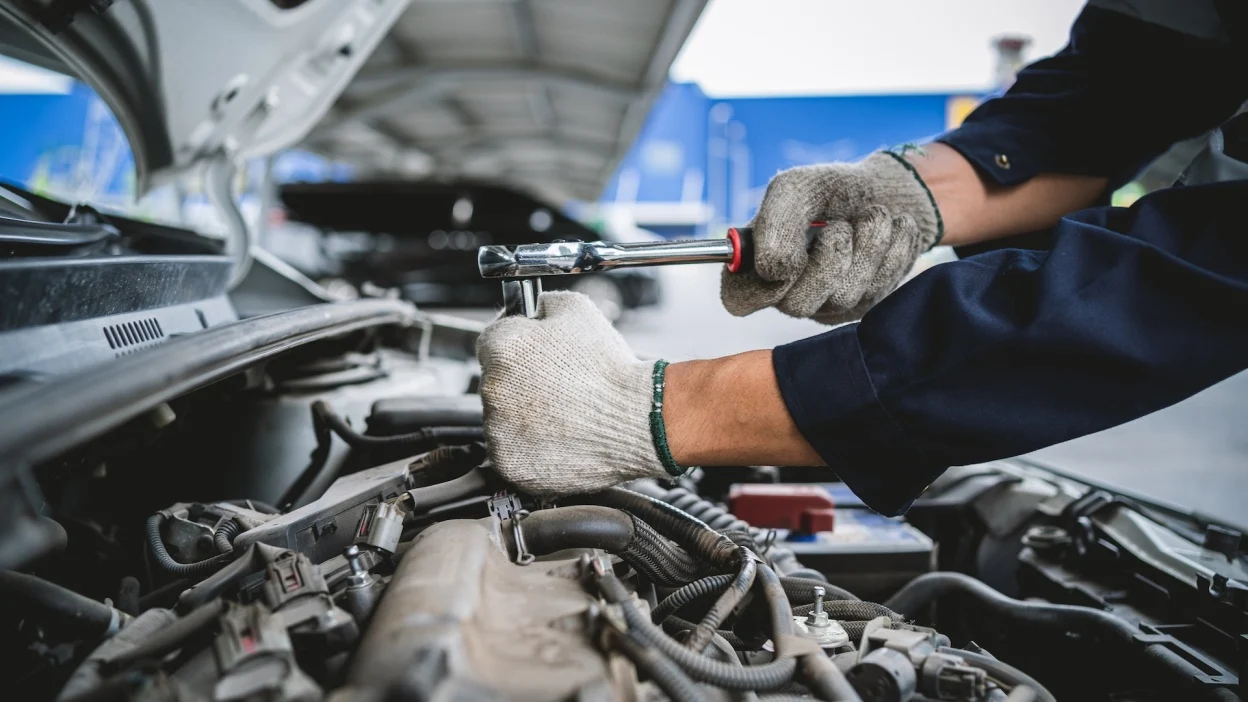
Owning a vintage vehicle is a rewarding experience that connects you to automotive history. Every time you turn the key, you hear the raw mechanical power of a bygone era. These vehicles turn heads on the street and spark conversations at every gas station. However, keeping an older automobile in pristine condition requires dedication and a specific set of skills.
Modern vehicles rely on computer diagnostics and synthetic materials, while older automobiles need hands-on mechanical knowledge. Routine care for a vintage model looks vastly different than taking a new sedan in for a quick oil change.
This guide will walk you through the fundamental steps of classic car maintenance. You will learn how to handle routine fluid checks, protect your vehicle’s delicate exterior, store the car properly during the off-season, and find the right professionals to help when a job exceeds your garage setup.
Understanding the Needs of Older Vehicles
Vintage automobiles were built with materials and engineering standards that differ wildly from modern manufacturing. Rubber seals dry out faster, carburetors need precise tuning, and metal parts are highly susceptible to rust. A proactive approach to classic car maintenance will save you significant time and money over the lifespan of the vehicle.
Prioritize Fluid Checks and Changes
Fluids are the lifeblood of any mechanical system. For older engines, maintaining clean fluids is a top priority. You should check the engine oil, transmission fluid, brake fluid, and coolant regularly. Older engines often require specific oil blends containing higher levels of zinc to protect flat-tappet camshafts.
Cooling systems in vintage models also tend to run hotter or struggle in heavy traffic. Flushing the radiator and replacing the coolant annually will prevent overheating and protect the internal engine components from corrosion.
Protect the Exterior and Interior
Original paint and chrome accents require gentle care to maintain their shine. Avoid automated car washes, which can scratch the paint and force water into vulnerable seals. Instead, wash the car by hand using a pH-balanced soap and soft microfiber towels. Apply a high-quality carnauba wax every few months to create a protective barrier against UV rays and environmental contaminants.
The interior requires equal attention. Leather seats need regular conditioning to prevent cracking, while vinyl dashboards should be treated with UV protectants to stop fading. Keep the windows slightly cracked if parked in the sun to reduce cabin temperature and prevent the upholstery from warping.
Finding the Right Experts for the Job
Even the most skilled home mechanic will eventually need professional assistance. Rebuilding a carburetor or sourcing rare suspension parts often requires specialized knowledge and industry connections.
The Development of Pittsburgh from an historic industrial powerhouse to a modern hub has brought many changes, but the region maintains a deep appreciation for automotive history. This strong community makes it easier to find specialized local mechanics who understand older machines. Trusting your vehicle to a dedicated shop like Heritage Auto Repair ensures that your car receives the exact parts and specialized service its vintage engine requires. Building a relationship with experienced mechanics means you will always have reliable support when complex mechanical issues arise.
Essential Storage Tips
Most vintage cars spend the winter months tucked away in a garage. Improper storage can cause severe damage, from rusted fuel tanks to flat-spotted tires.
Start by filling the gas tank and adding a fuel stabilizer. This prevents moisture from accumulating inside the tank and keeps the fuel from breaking down. Run the engine for a few minutes to ensure the treated fuel circulates through the entire system. Next, disconnect the battery or attach it to a trickle charger to maintain its lifespan. Finally, place the car on jack stands to relieve pressure on the tires and suspension, and cover the vehicle with a breathable fabric cover to keep dust off the paint.
Frequently Asked Questions About Classic Car Care
How often should I drive my vintage car?
You should aim to drive your vintage vehicle at least once every two to three weeks. Taking it out for a 30-minute drive allows the engine to reach optimal operating temperature, which burns off internal moisture and keeps all the seals lubricated.
What kind of gas should I use?
Always use ethanol-free gasoline if it is available in your area. Ethanol can degrade older rubber fuel lines and attract moisture, which leads to rust in the fuel system. If ethanol-free gas is not an option, use a premium fuel additive designed for older engines.
Do I need specialized insurance?
Yes. Standard auto insurance rarely covers the true replacement value of a vintage vehicle. Classic car insurance policies are designed to cover the agreed-upon value of the car, ensuring you are fully protected in the event of an accident or theft.
Keep Your Vintage Ride Ready for the Road
Classic car maintenance is essential for preserving the performance, reliability, and original character of a vintage vehicle, ensuring it continues to deliver a rewarding driving experience for years to come. Maintaining an older automobile is an ongoing commitment that pays off with every successful weekend drive, offering both enjoyment and pride of ownership. By staying on top of fluid changes, protecting the exterior from wear, and partnering with knowledgeable professionals like Heritage Auto Repair, you can ensure your vehicle remains a beautifully preserved piece of automotive history that continues to perform and impress.
Start by creating a personalized maintenance schedule for your specific make and model today. Keep a detailed logbook of every service and repair, and your vintage vehicle will continue to deliver a thrilling driving experience for generations to come.
