
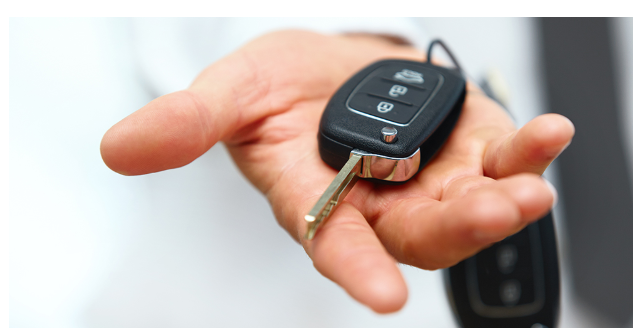
Car theft has evolved into something far more technical than it used to be. Instead of breaking windows or forcing locks, modern thieves often rely on electronic methods like key cloning and relay attacks. These techniques are fast, silent, and surprisingly common in today’s world of keyless entry vehicles.
This is exactly why modern security solutions such as a car immobiliser have become essential rather than optional. In particular, advanced systems like insurance approved immobilisers are now widely recommended to protect vehicles from these modern threats.
Let’s break down, step by step, how a car immobiliser actually stops key cloning attacks and why it has become one of the most trusted layers of vehicle security.
Understanding the Real Threat Behind Key Cloning
To understand how an immobiliser helps, it is important to first understand what key cloning actually is.
Most modern car keys communicate with your vehicle using a radio signal. When you approach your car, the key sends a unique code that the vehicle recognizes and accepts. The problem starts when criminals use devices that can capture or replicate this signal.
Once the signal is copied, they can create a working duplicate of your key. In many cases, this allows them to unlock and attempt to start the vehicle without needing physical access to the original key.
This is where traditional security systems often fall short, because they are not designed to deal with duplicated digital signals.
Step 1: Breaking the Link Between Key Signal and Engine Start
A modern car immobiliser changes the entire logic of vehicle starting. Instead of relying only on the key signal, it adds an additional hidden layer of authentication.
Even if a cloned key successfully unlocks the car, the engine remains disabled. The immobiliser ensures that the vehicle will only start when a specific, pre-set authorization method is completed.
This means the thief’s biggest advantage, the copied signal, becomes completely useless at the most critical stage.
Step 2: Adding a Hidden Authentication Layer Inside the Vehicle
Unlike basic alarms or visible anti-theft devices, modern immobilisers work quietly in the background. They are fully integrated into the vehicle’s electronics and do not show any obvious signs of their presence.
This hidden nature is extremely important. Thieves often try to locate and disable security systems before attempting theft. But when a system is invisible, there is nothing to find or remove.
This is one of the key reasons why insurance approved immobilisers are highly valued by insurers and security professionals.
Step 3: Requiring a Unique Driver Authorization Sequence
Instead of relying solely on a key fob, many advanced immobilisers require a custom PIN or input sequence before the engine can start.
This sequence is usually entered using existing buttons inside the car, such as steering wheel controls or dashboard switches. The important part is that there is no physical device or visible code system that can be intercepted.
Even if a thief has a cloned key, they cannot guess or bypass this hidden sequence. Without it, the vehicle remains completely immobilised.
Step 4: Neutralizing Relay and Signal Boosting Attacks
Key cloning is often combined with another technique called relay attacks. In these cases, thieves use signal amplifiers to trick the car into thinking the key is nearby, even when it is inside your home.
A properly installed car immobiliser removes the final step of this attack. Even if the signal is successfully relayed, the engine still refuses to start without internal authentication.
This makes electronic theft significantly harder and far less reliable for criminals.
Step 5: Preventing Engine Activation at the ECU Level
The most advanced immobilisers do not just block ignition. They interact directly with the vehicle’s electronic control systems.
If unauthorized access is detected, the immobiliser prevents fuel injection or engine activation signals from being executed. In simple terms, the car may respond normally to unlock attempts, but the engine itself will not function.
This deep level of control is what separates modern systems from older generations of security devices.
Step 6: Why Insurance Companies Prefer Approved Systems
Insurance companies are now fully aware of how common keyless theft has become. As a result, many of them encourage or require insurance approved immobilisers for better coverage and risk reduction.
From an insurer’s perspective, a vehicle fitted with a certified immobiliser is significantly less likely to be stolen. This reduces claim risk and often results in better policy terms for the vehicle owner.
For drivers, this adds an additional financial benefit on top of physical protection.
Step 7: Real-World Security Benefits for Drivers
Beyond technical explanations, the real value of a car immobiliser is peace of mind. Whether your car is parked outside your home, at work, or in a public area, you know that even if someone gains access, they cannot drive it away.
Modern vehicle theft is not about breaking in anymore. It is about starting the engine. A car immobiliser directly targets this exact point of vulnerability.
Final Thoughts
Key cloning attacks have completely changed the landscape of vehicle security. Traditional locks and alarms are no longer enough on their own.
A modern car immobiliser, especially when it is part of a professionally installed insurance approved immobilisers system, adds a critical layer of protection that directly stops the most common forms of modern theft.
It does not just delay thieves. It stops them at the most important step, the engine start.
For today’s drivers, this is no longer a luxury feature. It is one of the most effective and necessary upgrades for long-term vehicle security.