
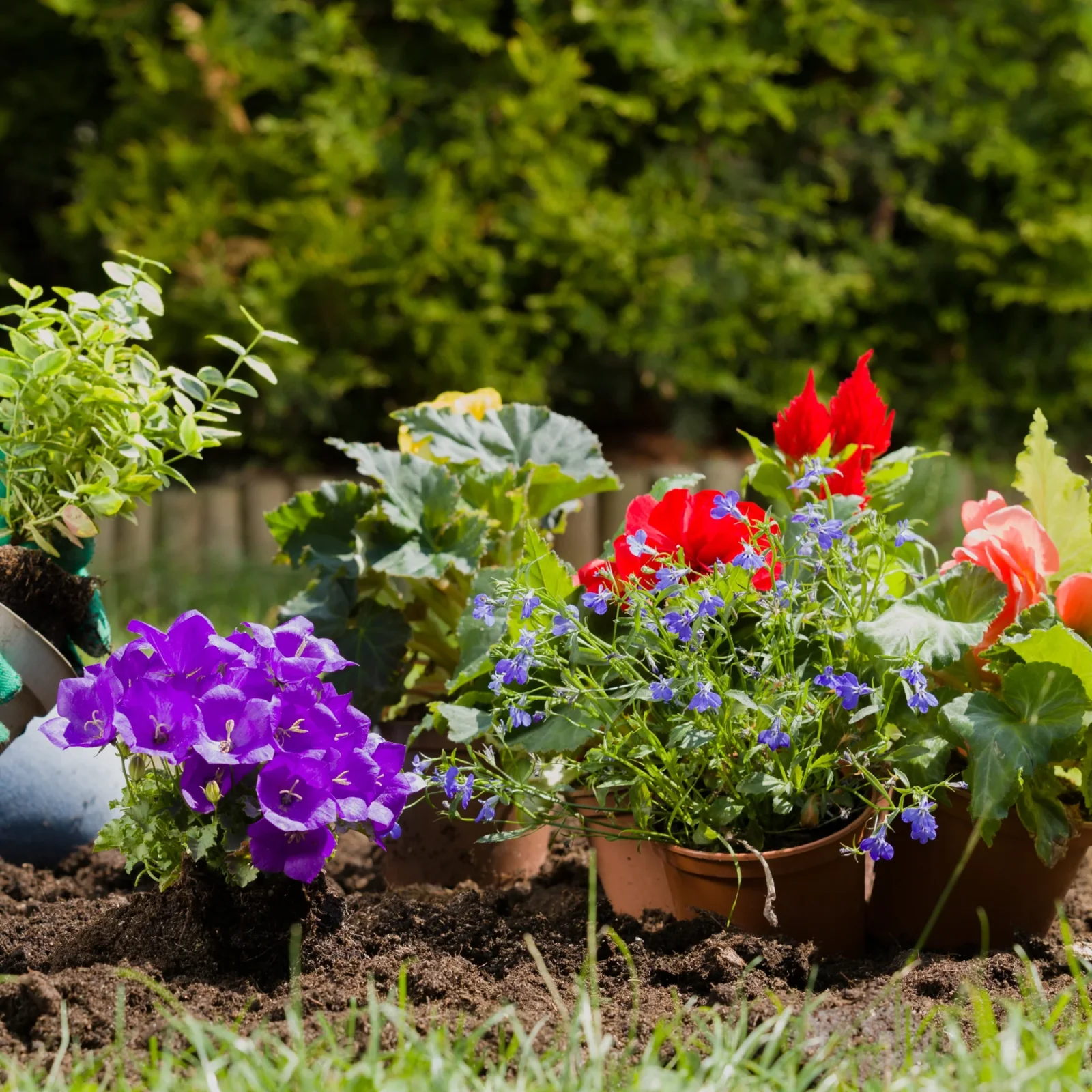
Creating a garden plot that keeps going from spring right through to late summer is one of those genuinely satisfying challenges that makes gardening so worthwhile. It takes a bit of planning, yes, but the payoff, a constantly changing display of colour and life, is more than worth the effort. Here’s how to go about it.
Planning Your Garden Plot
Before you buy a single seed packet, take a proper look at your space. What do you actually want from it, a formal bed, a relaxed mixed border, something in between? How much sun does the area get? Most summer flowers are sun lovers, though there are perfectly decent varieties that cope well in partial shade. Soil matters too, and well-drained, fertile ground will give you the widest choice of plants to work with.
Once you’ve had a good look around, sketch out a rough layout. Tall plants at the back, medium ones in the middle, lower-growing varieties at the front; it sounds obvious, but this layering makes an enormous difference to how the finished plot reads. Curved edges feel relaxed and naturalistic; straight lines lean formal. Neither is wrong; it just depends on the garden you’re trying to create.
Choosing Plants for Continuous Bloom
Here’s the real trick: variety. Combine early, mid, and late-season flowers so that as one plant fades, something else is just getting going. Annuals give you those bright, punchy bursts of colour for a single season. Perennials bring structure and come back reliably year after year. Biennials are slower off the mark, but in their second year they fill gaps with some genuinely unusual flowers.
If you want colour straight away rather than waiting for seeds to get going, mixing in some established plants is a smart move. Options like summer planting / bedding work brilliantly alongside seed sowing, they give you that early impact and fill space while seedlings are still finding their feet. Playing around with pre-grown plants also opens up all sorts of possibilities when it comes to texture, height and colour combinations.
Preparing the Soil
Good soil is the foundation of everything, and it’s worth taking your time here. Clear the area properly, weeds, stones, anything that shouldn’t be there, then loosen the soil to help with drainage and aeration. Dig in some compost or well-rotted manure and you’ll be giving your plants a genuinely good start, encouraging the kind of deep root growth that keeps them going through a dry spell.
Check the seed packets and plant labels for any specific requirements. Some flowers like things slightly acidic; others are happier in neutral or alkaline conditions. A few small adjustments now can make a noticeable difference come midsummer.
Sowing Seeds
Follow the guidance on the packet, depth and spacing really do matter. Some seeds are best started off indoors, particularly anything that needs a longer growing season or isn’t too fond of a cold snap. Hardy annuals, on the other hand, are generally quite happy going straight into prepared ground outside.
Keep the soil moist whilst seeds are germinating, but don’t overdo it, waterlogged soil causes rot. A watering can with a rose head is ideal; it’s gentle enough not to disturb the seeds. Some gardeners cover newly sown seeds with a thin layer of soil or fine grit to deter birds and stop wind shifting things around.
Transplanting Seedlings
Don’t rush transplanting. Seedlings need hardening off first, a gradual introduction to outdoor conditions over several days, increasing their time outside bit by bit. It reduces the shock of the move and gives them a much better chance of settling in quickly.
When you do plant them out, follow your original plan, be gentle with the roots, and water thoroughly afterwards. A layer of mulch around the base of each plant helps hold onto moisture, keeps weeds down, and moderates soil temperature. Keep a close eye on things for the first few weeks; it’s the stage where problems are easiest to catch and deal with.
Designing for Visual Impact
A good garden plot isn’t just about which flowers you grow, it’s about how they sit together. Think about colour combinations that either complement or contrast with each other. Repeating certain plants at intervals along the border pulls the whole thing together visually. Fine, feathery foliage next to broader leaves adds depth that you simply don’t get from flowers alone.
Planting in odd numbers tends to look more natural than even groupings, and drifts or loose waves of colour are far more pleasing than rigid rows. Layer heights carefully and the plot will look interesting from every angle, not just straight on.
Care and Maintenance
Keeping everything going through the summer requires a bit of regular attention, nothing excessive, but consistency helps. Water regularly, particularly during dry stretches, and give plants a liquid feed every couple of weeks to keep growth strong. Deadheading spent flowers is one of those small jobs that makes a big difference, encouraging plants to keep producing new blooms rather than putting energy into seed production.
Watch for slugs, snails and aphids, and deal with them early using natural methods where you can. Taller plants may need staking as the season progresses, it’s much easier to do before they’ve started flopping than afterwards. Keep on top of weeds and the mulch will do a lot of the heavy lifting for you.
Planning for Succession
The way to avoid bare patches and that end-of-season slump is to think about succession planting from the start. As early flowers finish, replace them with mid- or late-season varieties. Stagger your sowing times and combine seeds with established plants, and the plot will keep evolving naturally all the way through.
Done well, there’ll always be something in flower, and that steady flow of blooms will keep pollinators coming back throughout summer.
Final Thoughts
It doesn’t need to be complicated. Assess your space honestly, prepare the soil properly, choose a good mix of plants, and keep on top of the maintenance. Combine seeds with established plants for both immediate colour and longer-term interest. Be patient, be a little creative, and you’ll end up with a seasonal plot that genuinely earns its place in the garden; something to enjoy from the first signs of spring right through to the last flowers of late summer.
