
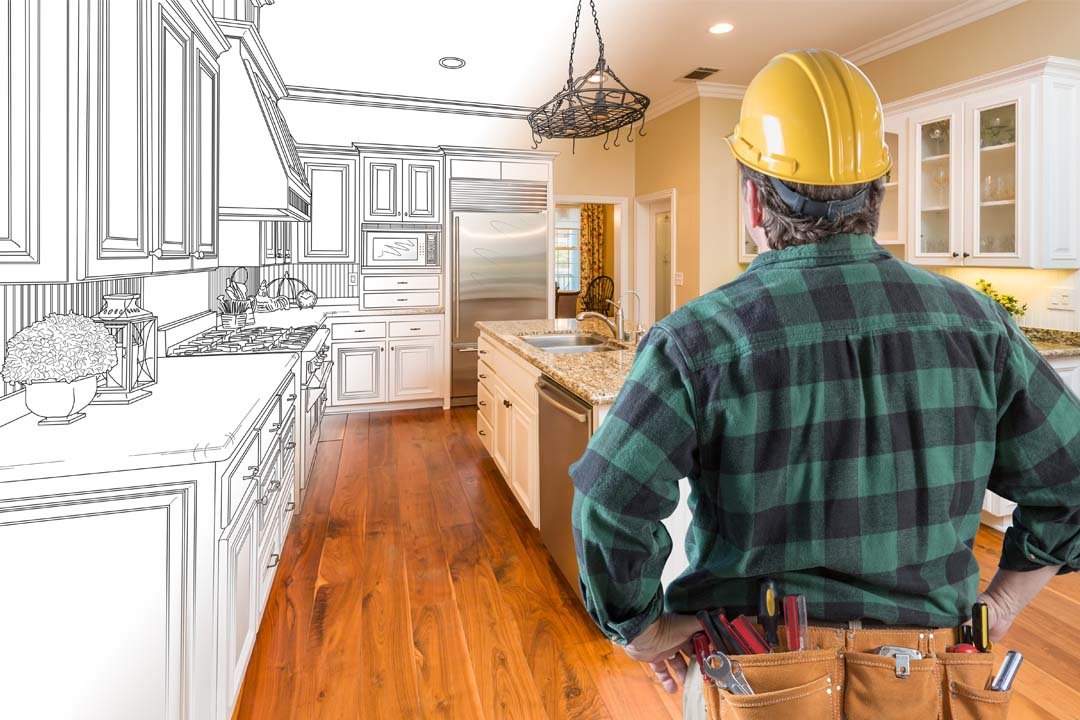
Kitchen spaces have evolved far beyond their traditional role as simple cooking areas. In modern homes, the kitchen has become a central hub for family interaction, entertainment, daily routines, and even work in some cases. Because of this shift in lifestyle, many homeowners are now investing in upgrades that improve functionality, aesthetics, and long-term property value. A well-planned renovation is not just about replacing cabinets or upgrading appliances; it is about reimagining the entire space in a way that supports comfort, efficiency, and modern living needs. Understanding the principles, planning stages, design choices, and execution strategies involved in kitchen remodeling is essential for achieving a successful transformation that balances beauty with practicality.
Understanding the Purpose and Value of a Kitchen Transformation
A kitchen renovation is often driven by a combination of necessity and desire. In some cases, outdated layouts, worn-out materials, or inefficient workflows make it difficult to use the space effectively. In other situations, homeowners simply want a more modern look or improved functionality that aligns with their lifestyle. Regardless of the motivation, the ultimate goal is to create a space that enhances daily living.
One of the most important benefits of upgrading a kitchen is the increase in property value. A well-designed and updated kitchen is one of the most attractive features for potential buyers, often influencing purchasing decisions significantly. However, beyond financial value, the real advantage lies in improving everyday usability. A thoughtfully designed kitchen can reduce cooking time, improve organization, and make cleaning more efficient.
Another key advantage is improved energy efficiency. Modern appliances, lighting systems, and water fixtures are designed to consume less energy while delivering better performance. This not only reduces utility bills but also contributes to environmental sustainability. Over time, these improvements can result in substantial cost savings while making the home more eco-friendly.
Planning the Layout for Maximum Efficiency and Comfort
One of the most critical stages in any renovation project is planning the layout. The layout determines how smoothly movement occurs within the kitchen and how efficiently tasks can be completed. A poorly designed layout can make even the most beautiful kitchen frustrating to use, while a well-planned one can significantly enhance convenience and workflow.
The concept of the “work triangle” is often used in kitchen design to optimize efficiency. This principle focuses on the relationship between the stove, sink, and refrigerator, ensuring that these three key areas are positioned in a way that minimizes unnecessary movement. While modern designs sometimes adapt or expand this concept, it remains a useful foundation for planning.
Open-concept layouts have also become increasingly popular, especially in contemporary homes. By removing unnecessary walls, the kitchen becomes part of a larger living space, allowing for better interaction with family and guests. This type of design creates a more spacious feel and improves natural light distribution throughout the area.
Storage planning is another essential aspect of layout design. Efficient storage solutions such as deep drawers, pull-out shelves, and vertical cabinets help maximize space and reduce clutter. A well-organized kitchen not only looks better but also functions more smoothly in daily use.
Choosing Materials That Balance Durability and Style
Material selection plays a major role in both the appearance and longevity of a renovated kitchen. Since kitchens are high-traffic areas exposed to heat, moisture, and frequent cleaning, durability should always be a top priority.
Countertops are one of the most heavily used surfaces, and choosing the right material is crucial. Options such as granite, quartz, and solid surfaces are popular due to their resistance to stains and scratches. Each material offers a different aesthetic and level of maintenance, allowing homeowners to choose based on lifestyle and budget.
Cabinet materials also significantly impact both design and functionality. Solid wood provides a classic and durable option, while engineered materials offer cost-effective alternatives with a wide range of finishes. Modern cabinetry often incorporates soft-close hinges and modular designs that improve usability and reduce wear over time.
Flooring should also be selected with care, as it must withstand constant foot traffic and potential spills. Materials such as ceramic tiles, vinyl, and engineered wood are commonly used due to their durability and ease of maintenance. The choice of flooring also contributes heavily to the overall visual theme of the kitchen.
Lighting Design and Its Impact on Functionality
Lighting is often underestimated in kitchen design, but it plays a crucial role in both functionality and atmosphere. A well-lit kitchen ensures safety during food preparation and enhances the overall aesthetic appeal of the space.
There are generally three types of lighting used in kitchen design: ambient, task, and accent lighting. Ambient lighting provides overall illumination for the space, ensuring that the kitchen is evenly lit. Task lighting focuses on specific work areas such as countertops and cooking surfaces, improving visibility during food preparation. Accent lighting is used to highlight design features such as cabinets, islands, or decorative elements.
Natural light is also an important consideration. Large windows or skylights can dramatically improve the feel of a kitchen by making it brighter and more inviting. In addition to aesthetic benefits, natural light can reduce the need for artificial lighting during daytime hours, contributing to energy savings.
Appliance Selection and Modern Technology Integration
Modern kitchens are increasingly integrating advanced appliances that improve efficiency and convenience. Smart refrigerators, induction cooktops, energy-efficient ovens, and sensor-based faucets are just a few examples of how technology is transforming kitchen functionality.
When selecting appliances, it is important to consider both performance and compatibility with the overall design. Stainless steel remains a popular choice due to its durability and modern appearance, but newer finishes and customizable designs are also gaining popularity.
Energy efficiency should be a key factor in decision-making. Appliances with high energy ratings may have a higher upfront cost but often lead to long-term savings. Additionally, smart appliances that can be controlled via mobile devices offer enhanced convenience and control over daily tasks.
Integration is another important aspect. Built-in appliances create a seamless look and help maintain a clean, uncluttered appearance. This approach is especially popular in modern minimalist designs where simplicity and efficiency are prioritized.
Budgeting and Cost Management Strategies
One of the most challenging aspects of any renovation project is managing the budget effectively. Costs can vary widely depending on the size of the kitchen, materials used, and complexity of the design. Setting a realistic budget at the beginning helps prevent overspending and ensures that priorities are clearly defined.
It is important to allocate funds across different categories such as materials, labor, appliances, and unexpected expenses. Many experts recommend keeping a contingency budget to handle unforeseen issues that may arise during the project, such as structural repairs or plumbing adjustments.
Prioritizing essential upgrades over purely aesthetic changes can also help maintain financial balance. For example, investing in quality cabinetry and durable countertops may be more beneficial in the long run than spending excessively on decorative elements.
Comparing quotes from multiple contractors and suppliers can also help reduce costs without compromising quality. Careful planning and research play a significant role in achieving a successful outcome within budget constraints.
Common Challenges During Renovation Projects
Every renovation project comes with its own set of challenges. One of the most common issues is unexpected structural problems that are discovered once work begins. These may include outdated wiring, plumbing issues, or hidden water damage, all of which can increase both cost and timeline.
Delays in material delivery are another frequent challenge. Custom orders or imported materials may take longer than expected, which can slow down the entire project. Proper scheduling and early ordering can help minimize such delays.
Communication gaps between homeowners and contractors can also lead to misunderstandings regarding design expectations. Clear planning, detailed contracts, and regular updates are essential for ensuring that the project stays aligned with the original vision.Once the renovation is complete, maintaining the kitchen remodeling properly ensures that it remains in excellent condition for years to come. Regular cleaning, especially of high-use areas such as countertops and sinks, helps preserve materials and prevent damage.
Cabinets and flooring should also be cared for according to their material requirements. Using appropriate cleaning products and avoiding excessive moisture can prevent deterioration over time.
Final Thoughts on Creating a Functional and Beautiful Kitchen Space
Appliances should be serviced periodically to ensure optimal performance. Simple maintenance tasks such as cleaning filters, checking seals, and inspecting connections can significantly extend their lifespan.
A successful kitchen transformation is the result of careful planning, thoughtful design choices, and proper execution. It is not simply about visual improvement but about creating a space that enhances daily life in meaningful ways. From layout optimization and material selection to lighting design and appliance integration, every detail plays a role in shaping the final outcome.
When approached strategically, a renovation project becomes an investment in both comfort and property value. It allows homeowners to tailor their living environment to their specific needs while also improving efficiency and long-term functionality. Ultimately, a well-executed kitchen remodeling project transforms an ordinary cooking area into a dynamic, efficient, and welcoming space that supports modern living at every level.
