
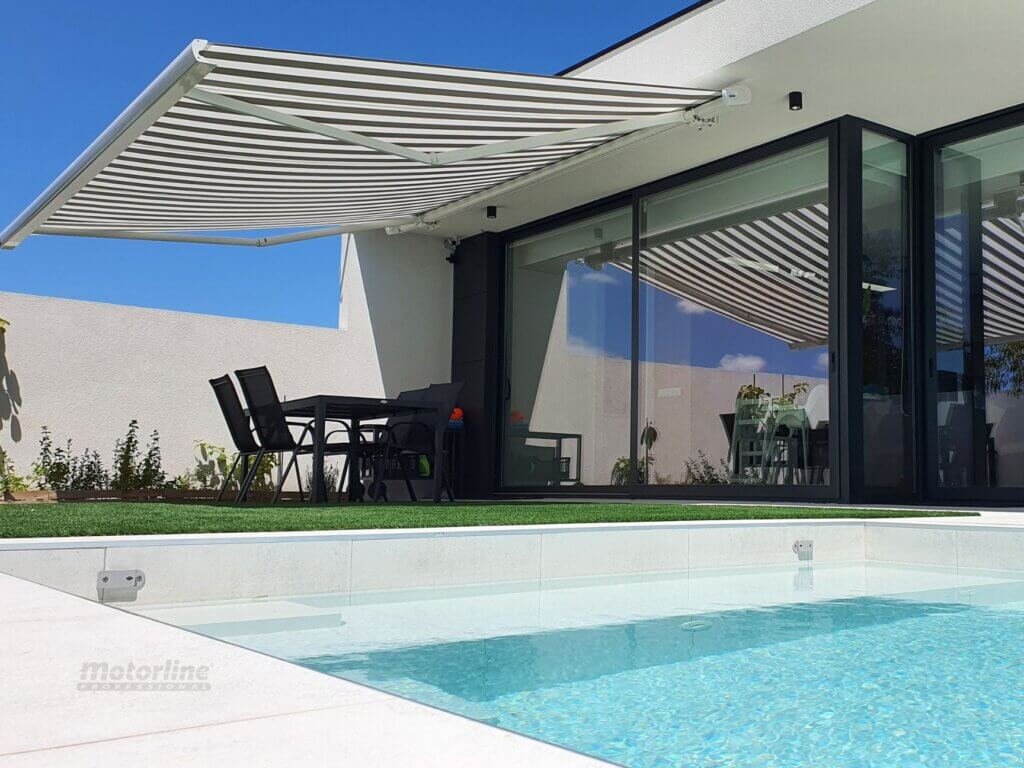
Introduction to Awnings and Their Growing Importance
Awnings have become an essential architectural and functional element in both residential and commercial buildings. They are no longer seen as simple decorative add-ons but as practical installations that improve comfort, energy efficiency, and outdoor usability. In modern construction and renovation trends, awnings are widely used to create shaded outdoor areas, protect interiors from excessive sunlight, and enhance the overall appearance of a building. Whether installed over windows, doors, patios, or storefronts, awnings provide a combination of protection and style that adds long-term value to any property.
The increasing focus on sustainable living and energy conservation has further boosted the popularity of awnings. Homeowners and business owners are constantly looking for ways to reduce energy consumption while improving indoor comfort. Awnings offer a simple yet highly effective solution by minimizing heat gain, reducing glare, and lowering reliance on air conditioning systems. As a result, they contribute not only to comfort but also to cost savings and environmental responsibility.
Understanding the Function and Purpose of Awnings
At their core, awnings are secondary coverings attached to the exterior walls of buildings. They are typically made from durable materials such as fabric, metal, or polycarbonate, supported by a lightweight frame. Their primary function is to provide shade and protection from weather elements such as sunlight, rain, and wind. However, their role extends far beyond basic shelter.
One of the key purposes of awnings is to control sunlight exposure. Direct sunlight entering through windows can significantly increase indoor temperatures, especially during hot seasons. By blocking or filtering sunlight, awnings help maintain a cooler indoor environment. This reduces the strain on cooling systems and improves overall energy efficiency. Additionally, awnings protect furniture, flooring, and interior décor from fading caused by prolonged UV exposure.
In commercial settings, awnings also play an important branding role. Many businesses use customized awnings with logos, colors, and signage to attract customers and enhance visibility. This makes awnings both a functional and marketing asset for retail stores, restaurants, and cafes.
Types of Awnings Commonly Used in Modern Architecture
There are several types of awnings available today, each designed to meet specific functional and aesthetic requirements. Fixed awnings are permanently installed structures that provide continuous protection. These are commonly used in areas where constant shading is needed, such as storefront entrances and outdoor seating areas.
Retractable awnings offer greater flexibility, allowing users to extend or retract the cover based on weather conditions. These are particularly popular in residential spaces where homeowners want control over sunlight exposure. Motorized versions of retractable awnings add convenience through automated operation, often controlled by remote or smart home systems.
Portable awnings are another category, often used for temporary setups such as outdoor events, camping, or seasonal outdoor dining areas. These structures are easy to install and remove, making them highly versatile.
Freestanding awnings, on the other hand, are not attached to buildings and can be placed independently in gardens, patios, or poolside areas. They are ideal for creating shaded outdoor spaces without modifying existing structures.
Materials Used in Awnings and Their Durability
The performance and lifespan of awnings largely depend on the materials used in their construction. Fabric awnings are among the most common due to their flexibility and aesthetic appeal. They are available in a wide range of colors, patterns, and textures, allowing customization to match architectural styles. High-quality fabrics are often treated to resist UV rays, mold, and water damage.
Metal awnings, typically made from aluminum or steel, offer superior durability and weather resistance. These are ideal for areas exposed to harsh environmental conditions. Metal awnings require minimal maintenance and can last for many years, making them a cost-effective long-term investment.
Polycarbonate awnings are becoming increasingly popular due to their lightweight structure and excellent transparency. They allow natural light to pass through while still blocking harmful UV rays. This makes them suitable for modern architectural designs that emphasize both light and protection.
Each material offers unique advantages, and the choice depends on factors such as climate, budget, design preference, and intended usage.
Benefits of Installing Awnings in Residential Spaces
Homeowners can experience a wide range of benefits from installing awnings. One of the most significant advantages is improved energy efficiency. By reducing heat gain through windows and doors, awnings help maintain a cooler indoor environment. This leads to lower electricity bills, especially during summer months when air conditioning usage is high.
Awnings also enhance outdoor living spaces by creating shaded areas suitable for relaxation, dining, or entertainment. Patios and balconies become more usable throughout the day, regardless of weather conditions. This effectively extends the functional living space of a home without requiring major construction work.
Another important benefit is protection from weather elements. Awnings shield windows and doors from rain, reducing the risk of water damage. They also protect outdoor furniture from sun exposure, extending its lifespan and maintaining its appearance.
In addition to functionality, awnings contribute to the aesthetic appeal of a home. With a variety of designs and colors available, they can complement architectural styles and improve curb appeal.
Role of Awnings in Commercial and Business Environments
In commercial environments, awnings serve both practical and marketing purposes. Businesses often rely on awnings to create welcoming entrances and comfortable outdoor seating areas. Restaurants and cafes, for example, use awnings to provide shade for customers, enhancing their dining experience.
Retail stores benefit from awnings by increasing visibility and attracting foot traffic. A well-designed awning with branding elements can make a business stand out in busy commercial areas. This form of passive advertising is highly effective because it combines functionality with promotional value.
Awnings also help regulate indoor temperatures in commercial buildings, reducing energy consumption and operational costs. For large storefront windows, awnings can significantly reduce heat buildup, improving comfort for both customers and employees.
Energy Efficiency and Environmental Impact of Awnings
One of the most important modern advantages of awnings is their contribution to energy efficiency. By reducing direct sunlight entering buildings, they lower indoor temperatures naturally. This reduces the need for air conditioning systems, leading to decreased energy consumption.
Lower energy usage not only reduces utility bills but also minimizes environmental impact. Buildings equipped with awnings contribute to reduced greenhouse gas emissions by decreasing reliance on electrical cooling systems. This makes awnings an environmentally responsible choice for sustainable architecture.
In addition, some modern awnings are designed using eco-friendly materials and manufacturing processes. These innovations further enhance their role in green building practices and sustainable urban development.
Maintenance and Longevity of Awnings
Proper maintenance is essential to ensure the longevity and performance of awnings. Fabric awnings should be cleaned regularly to prevent dirt buildup and mold formation. Most fabrics can be cleaned using mild soap and water, making maintenance relatively simple.
Metal awnings require occasional inspection for rust or structural damage, especially in areas with high humidity or heavy rainfall. Protective coatings can help extend their lifespan and maintain appearance.
Retractable awnings should be operated carefully and stored properly during extreme weather conditions such as storms or heavy winds. Regular maintenance of mechanical parts ensures smooth operation and prevents long-term damage.
With proper care, high-quality awnings can last for many years, making them a durable investment for both residential and commercial properties.
Technological Advancements in Modern Awnings
Recent advancements in technology have significantly improved the functionality of awnings. Motorized awnings with remote control systems have become increasingly popular due to their convenience. Users can extend or retract awnings with minimal effort, making them highly user-friendly.
Smart awnings integrated with home automation systems are also emerging in modern architecture. These systems can automatically adjust based on sunlight intensity, temperature, or weather conditions. This enhances energy efficiency and provides optimal comfort without manual intervention.
Some advanced awnings also feature sensors that detect wind speed and automatically retract to prevent damage. These innovations improve safety and durability while enhancing user experience.
Design Trends and Aesthetic Value of Awnings
Awnings are now an important part of architectural design. Modern trends focus on minimalistic styles, clean lines, and neutral color palettes. However, bold and vibrant designs are still popular in commercial applications where visibility is a priority.
Customization plays a major role in awning design. Businesses often use branded awnings to reinforce identity, while homeowners choose designs that complement exterior décor. The combination of functionality and aesthetics makes awnings a versatile design element.
Architects increasingly incorporate awnings into building designs from the planning stage rather than adding them later. This integrated approach ensures better visual harmony and structural efficiency.While awnings offer numerous benefits, selecting the right type requires careful consideration. Factors such as climate, building structure, material durability, and budget must be evaluated. In areas with strong winds or heavy rainfall, more durable materials and reinforced structures are necessary.
Conclusion: The Lasting Value of Awnings in Modern Spaces
Awnings have evolved into essential architectural features that combine practicality, energy efficiency, and aesthetic appeal. They improve comfort, reduce energy consumption, and enhance the usability of outdoor spaces. In both residential and commercial environments, they offer long-term value through protection, branding opportunities, and cost savings.
With advancements in materials and technology, awnings continue to become more durable, intelligent, and customizable. Their role in sustainable building design further highlights their importance in modern construction practices. Whether used for shading a home patio or enhancing a commercial storefront, awnings remain a smart and effective solution for improving both functionality and appearance in any built environment.
Installation quality is also critical. Poor installation can lead to structural issues, reduced efficiency, and safety risks. Therefore, professional installation is recommended for long-term reliability.Another consideration is maintenance requirements. Some materials require more frequent care than others, which should be taken into account when making a selection.
