
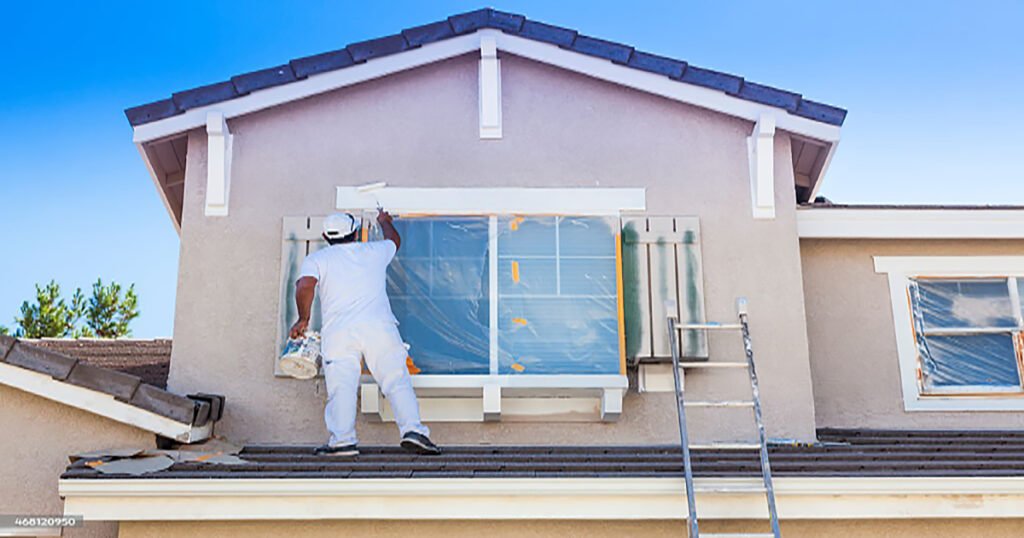
The exterior appearance of a property plays a major role in defining its overall value, durability, and first impression. Whether it is a residential home, commercial building, or industrial facility, the outer surface is constantly exposed to environmental elements such as sunlight, rain, dust, pollution, and temperature fluctuations. Over time, these conditions gradually degrade surfaces, causing fading, peeling, cracks, and structural weakening if not properly maintained. Because of this, regular upkeep becomes essential not only for aesthetic improvement but also for long-term structural protection.
Among the most effective ways to preserve and enhance a building’s exterior is through exterior painting, which serves both decorative and protective purposes. A high-quality paint application acts as a barrier against environmental damage while also improving the visual appeal of the property. When done correctly using proper materials and techniques, it significantly extends the lifespan of exterior surfaces and reduces long-term maintenance costs.
The Importance of Maintaining Exterior Surfaces
Exterior surfaces are constantly exposed to harsh and unpredictable environmental conditions. Ultraviolet rays from the sun can cause paint to fade and materials to weaken over time. Rainwater and moisture can penetrate unprotected surfaces, leading to mold growth, peeling paint, and structural deterioration. Dust, pollution, and wind further contribute to surface wear, especially in urban and industrial areas.
Because of these constant exposures, buildings require periodic maintenance to remain structurally sound and visually appealing. Without proper surface protection, small cracks and imperfections can expand over time, eventually affecting deeper structural components. This makes routine surface maintenance not just a cosmetic requirement but a necessary part of property preservation.
A well-maintained exterior also creates a strong visual impression. For residential properties, it enhances curb appeal and creates a welcoming environment. For commercial properties, it reflects professionalism, reliability, and attention to detail. In competitive real estate markets, visual presentation can significantly influence property value and buyer interest.
How Exterior Coatings Protect Buildings
One of the most important functions of protective coatings is shielding surfaces from environmental damage. High-quality paint forms a protective layer that prevents moisture penetration, reducing the risk of water-related damage such as rot, corrosion, and mold formation.
In addition to moisture protection, coatings also help regulate temperature effects. Reflective paints can reduce heat absorption, keeping interior spaces cooler during hot weather and improving energy efficiency. This is especially beneficial for buildings located in regions with intense sunlight and high temperatures.
Another key function is resistance to chemical and environmental pollutants. In urban environments, buildings are frequently exposed to dust, exhaust fumes, and industrial emissions. Protective coatings help minimize surface contamination and make cleaning easier and more effective.
Modern paint formulations also include additives that improve durability, flexibility, and adhesion. These enhancements allow coatings to expand and contract with temperature changes without cracking or peeling, ensuring longer-lasting protection.
Preparation Work Before Surface Application
Proper preparation is one of the most critical steps in achieving long-lasting results. Before any coating is applied, the surface must be thoroughly cleaned and inspected for damage. Dirt, dust, grease, and old peeling paint must be removed to ensure proper adhesion of new materials.
Cracks, holes, and surface imperfections are repaired using suitable fillers and sealants. This step ensures a smooth and even surface, which is essential for achieving a professional finish. Without proper preparation, even high-quality paint may fail prematurely due to poor adhesion.
In many cases, pressure washing is used to clean exterior surfaces effectively. This method removes stubborn dirt, mildew, and loose material, creating a clean base for application. Once cleaned, the surface must be allowed to dry completely before further work is performed.
Priming is another essential step in the preparation process. Primer helps seal the surface, improves paint adhesion, and enhances the overall durability of the coating. It also ensures consistent color coverage, especially on porous or uneven surfaces.
The Role of Professional Application Techniques
While surface preparation lays the foundation for success, the actual application process determines the final quality and durability of the finish. Professional exterior painting involves careful selection of tools, materials, and techniques to ensure even coverage and long-lasting results.
Experienced painters understand how different surfaces require different application methods. For example, brick, wood, concrete, and metal each have unique characteristics that influence how paint should be applied. Using the correct technique ensures proper bonding and uniform appearance.
Weather conditions also play a major role in the application process. Temperature, humidity, and wind can affect drying time and adhesion quality. Professionals carefully choose suitable conditions to ensure optimal results and avoid premature defects such as blistering or uneven drying.Multiple layers are often applied to achieve maximum durability and color consistency. Each layer must be allowed to dry properly before the next is added. This layering technique enhances protection and ensures a smooth, uniform finish.
Benefits of Regular Exterior Maintenance
One of the most significant benefits of maintaining exterior surfaces is increased property lifespan. Protective coatings reduce the impact of environmental wear and help prevent structural damage, reducing the need for costly repairs in the future.
Energy efficiency is another important advantage. Light-colored or reflective coatings can reduce heat absorption, helping maintain cooler indoor temperatures and lowering energy consumption during warmer months. This contributes to reduced utility costs over time.
Aesthetic improvement is also a major benefit. Freshly painted exteriors create a clean, modern, and well-maintained appearance. This is particularly important for businesses, where visual presentation can influence customer perception and brand reputation.From a financial perspective, regular maintenance increases property value. Buyers are more likely to invest in buildings that appear well cared for and structurally sound. A fresh exterior finish can significantly improve market appeal and selling potential.
Common Issues That Require Surface Restoration
Over time, exterior surfaces may develop a variety of issues that require attention. One of the most common problems is paint peeling, which occurs when moisture penetrates the surface or when improper preparation techniques are used during previous applications.
Cracking is another frequent issue, often caused by temperature fluctuations and material expansion. These cracks can allow water to enter the surface, leading to further deterioration if not addressed promptly.Fading is a natural result of prolonged exposure to sunlight. UV rays gradually break down pigments in paint, causing colors to lose their vibrancy. While fading does not always indicate structural damage, it does affect visual appeal and may signal the need for recoating.
Mold and mildew growth are common in humid environments. These biological contaminants not only affect appearance but can also contribute to surface degradation if left untreated.
Professional assessment helps identify these issues early and determine the most effective restoration approach. In many cases, targeted repairs combined with fresh coatings can fully restore both appearance and protection.
Choosing the Right Materials for Long-Term Performance
Material selection plays a crucial role in the success of any exterior maintenance project. Different environments and surface types require specific coating solutions to ensure durability and performance.
Acrylic-based coatings are commonly used due to their flexibility, weather resistance, and strong adhesion properties. These paints are suitable for a wide range of surfaces and perform well under varying environmental conditions.Oil-based coatings offer strong durability and are often used for surfaces that require additional protection. However, they may take longer to dry and require careful application.
Specialty coatings such as elastomeric paints are designed to provide enhanced waterproofing and crack-bridging capabilities. These are particularly useful for older structures or surfaces with minor imperfections.Eco-friendly and low-VOC (volatile organic compound) paints are also becoming increasingly popular due to environmental concerns. These products reduce harmful emissions while maintaining high performance standards.
Commercial Applications and Branding Benefits
For commercial properties, exterior appearance is closely linked to brand identity. A clean and well-maintained building creates a strong first impression and helps establish trust with customers and clients.
Retail stores, office buildings, hotels, and restaurants all benefit from professional surface finishing. Consistent color schemes and high-quality finishes reinforce branding and improve visibility in competitive markets.
In many cases, businesses use exterior design strategically to attract attention and differentiate themselves from competitors. A visually appealing storefront can significantly increase foot traffic and customer engagement.Regular maintenance ensures that commercial properties continue to represent the brand effectively over time. Faded or damaged exteriors can negatively impact customer perception and reduce business opportunities.
Environmental Considerations in Modern Painting Practices
Sustainability has become an important factor in modern construction and maintenance practices. Many manufacturers now produce environmentally friendly coatings that reduce harmful emissions and minimize environmental impact.
Water-based paints are widely used due to their low toxicity and reduced environmental footprint. These products offer strong performance while supporting eco-friendly construction practices.
Proper waste management during maintenance projects also plays a key role in environmental protection. Responsible disposal of old paint materials and cleaning agents helps reduce pollution and environmental harm.Energy-efficient coatings that reflect sunlight contribute to reduced energy consumption in buildings. This supports broader sustainability goals while improving indoor comfort.
Future Trends in Exterior Surface Technology
Advancements in material science continue to improve the durability and functionality of exterior coatings. Self-cleaning paints, weather-responsive coatings, and nanotechnology-based solutions are emerging innovations that enhance performance and reduce maintenance requirements.
Smart coatings capable of responding to environmental changes may become more common in the future. These advanced materials could adjust their properties based on temperature, humidity, or UV exposure.
Sustainable development will also continue to influence product design, with increasing emphasis on recyclable materials and environmentally safe formulations.As architectural trends evolve, demand for long-lasting, low-maintenance, and visually appealing exterior finishes will continue to grow.
Conclusion
Professional exterior painting provides a reliable solution for protecting surfaces, improving energy efficiency, and enhancing visual appeal. Through proper preparation, quality materials, and expert application techniques, property owners can ensure long-lasting results that benefit both residential and commercial buildings.
Maintaining the exterior of a building is essential for preserving its structural integrity, improving its appearance, and enhancing its long-term value. Constant exposure to environmental conditions makes regular maintenance a necessity rather than an option.
As technology and materials continue to evolve, modern coating solutions are becoming more durable, sustainable, and efficient. Investing in regular maintenance today not only protects buildings from environmental damage but also ensures stronger, more attractive, and more valuable properties for the future.
