
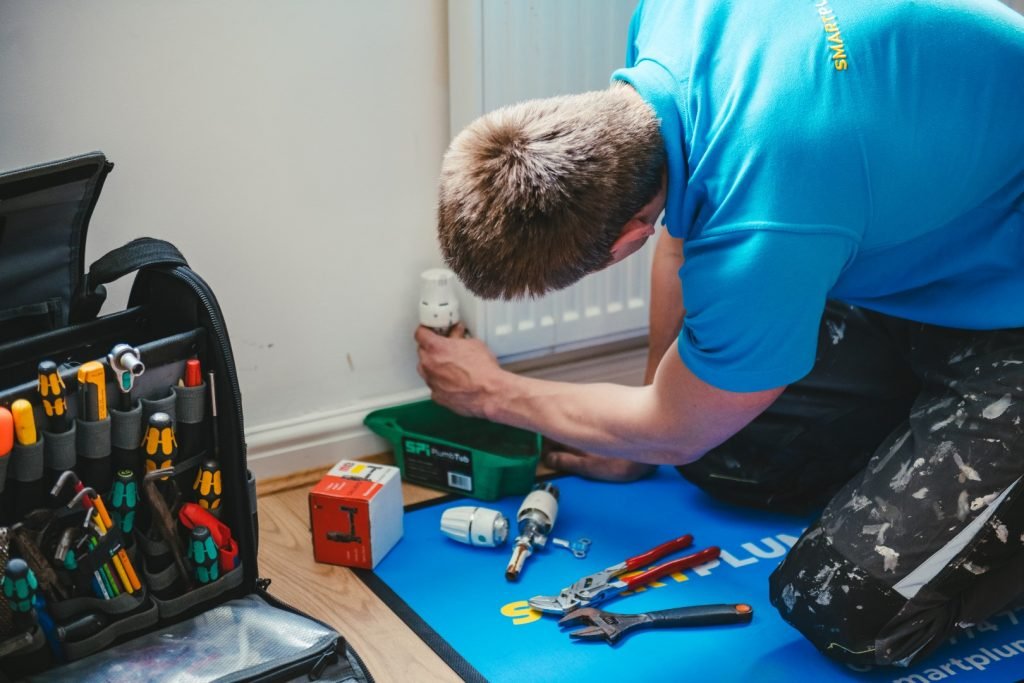
Radiator systems play a vital role in maintaining comfortable indoor temperatures, especially during colder months. They distribute heat evenly throughout a home, ensuring warmth, efficiency, and overall comfort. However, like any heating system, radiators can develop problems over time. One of the most common and concerning issues is a radiator leak. When left unaddressed, even a small leak can reduce heating efficiency, increase energy bills, and potentially lead to water damage in the home. This is why professional Radiator Leak Repair services are essential for maintaining a safe and reliable heating system.
A properly functioning radiator not only keeps your home warm but also ensures that your heating system operates efficiently and safely. Understanding the causes of leaks, warning signs, and repair solutions helps homeowners take timely action before minor issues turn into major system failures.
Understanding How Radiator Systems Work
Radiators are part of a central heating system that circulates hot water or steam through pipes to heat individual rooms. The boiler heats the water, which then flows through the radiator units, releasing heat into the surrounding space.
As the water moves through the system, pressure and temperature changes occur continuously. Over time, these conditions can place stress on joints, valves, seals, and metal surfaces. This is where leaks may begin to develop.
Professional Radiator Leak Repair focuses on identifying the exact source of the problem within this system and restoring proper function without compromising overall heating performance.
Common Causes of Radiator Leaks
Radiator leaks can occur for several reasons, and identifying the cause is important for effective repair.
One of the most common causes is corrosion. Over time, internal metal components can rust due to oxygen exposure and water quality issues. This corrosion weakens the radiator and can eventually create small holes or cracks.
Another frequent cause is high pressure within the heating system. Excess pressure puts strain on seals, valves, and pipe connections, increasing the risk of leaks.
Loose fittings and worn-out seals are also common issues. These components naturally degrade over time, especially in older heating systems that have not been regularly maintained.
In some cases, physical damage or improper installation can also lead to radiator leaks, requiring professional inspection and repair.
Warning Signs of a Radiator Leak
Detecting a radiator leak early can help prevent serious damage and costly repairs. One of the most obvious signs is visible water or dampness around the radiator base or pipes.
Another common indicator is a drop in heating performance. If a radiator is not heating properly or rooms feel colder than usual, it may be due to water loss within the system.
Unusual noises such as hissing, gurgling, or banging can also suggest trapped air or pressure issues caused by leaks.
In some cases, homeowners may notice an increase in energy bills, as the heating system works harder to compensate for lost efficiency.
Importance of Timely Radiator Leak Repair
Delaying Radiator Leak Repair can lead to more serious problems over time. Even small leaks can gradually worsen, leading to structural damage, mold growth, and reduced system efficiency.
Water leakage can also damage flooring, walls, and nearby furniture if not addressed quickly. Additionally, a leaking radiator forces the heating system to work harder, increasing energy consumption and utility costs.
Timely repair helps maintain system efficiency, prevent property damage, and ensure consistent indoor comfort.
How Professional Radiator Leak Repair Works
Professional repair services begin with a detailed inspection of the entire heating system. This helps identify the exact location and cause of the leak.
Once the problem is diagnosed, technicians isolate the affected section to prevent further water loss. Depending on the severity of the issue, different repair methods may be used.
Minor leaks may be fixed by tightening connections or replacing seals and valves. More serious damage, such as corrosion or cracks, may require component replacement or section repair.
After repairs are completed, the system is tested to ensure proper pressure levels and efficient operation.
Repairing Corrosion Damage in Radiators
Corrosion is one of the most serious causes of radiator leaks. When metal components begin to rust, they weaken over time and eventually develop holes or leaks.
In such cases, professional technicians assess whether the damage can be repaired or if replacement is necessary. Small corrosion spots may be treated and sealed, while heavily damaged sections often require replacement.
Preventing future corrosion involves maintaining proper water quality and ensuring regular system maintenance.
Fixing Valve and Connection Leaks
Leaks often occur at radiator valves and pipe connections due to wear and tear over time. These areas are under constant pressure and movement, making them more prone to loosening and seal failure.
Professional Radiator Leak Repair involves tightening fittings, replacing damaged seals, or installing new valves when necessary. These repairs are typically straightforward but require precision to ensure a secure and long-lasting fix.
Properly repaired connections help restore system pressure and improve heating efficiency.
Bleeding and Pressure Adjustment
In some cases, radiator issues may not be caused by physical leaks but by trapped air or incorrect system pressure.
Bleeding the radiator removes trapped air that prevents hot water from circulating properly. This helps restore even heating across all units.
Adjusting system pressure ensures that water flows efficiently through the heating system without placing excessive strain on components.
These maintenance steps are often part of a complete radiator repair service.
Preventing Future Radiator Leaks
Preventive maintenance is key to avoiding future radiator leaks. Regular inspections help identify early signs of wear before they turn into serious problems.
Flushing the heating system periodically removes debris and sludge that can contribute to corrosion and blockages. Maintaining proper water treatment levels also helps protect internal components.
Homeowners should also monitor pressure levels and schedule professional servicing to ensure long-term system reliability.
Energy Efficiency Benefits of Proper Repair
A leaking radiator can significantly reduce heating efficiency. When water escapes the system, the boiler must work harder to maintain temperature levels, leading to increased energy consumption.
By repairing leaks promptly, homeowners can restore system efficiency and reduce energy waste. A well-maintained radiator system distributes heat more evenly, improving comfort while lowering utility costs.
Efficient heating systems also reduce environmental impact by minimizing unnecessary energy usage.
Safety Considerations in Radiator Systems
Radiator leaks can create safety risks if left unaddressed. Water leakage can damage electrical systems, create slippery surfaces, and contribute to mold growth in damp areas.
In addition, pressure imbalances within the heating system can lead to further mechanical issues if not corrected.
Professional repair ensures that the system operates safely and reliably, protecting both the property and its occupants.
Long-Term Value of Professional Repair Services
Investing in professional Radiator Leak Repair services provides long-term value by extending the lifespan of the heating system. Proper repairs reduce the need for frequent breakdowns and costly replacements.
A well-maintained radiator system also improves property value, as efficient heating is an important feature for potential buyers.
By addressing issues early and maintaining regular servicing, homeowners can enjoy consistent comfort and lower maintenance costs over time.
Conclusion
Radiator leaks may seem like a minor issue at first, but they can quickly develop into serious problems if not addressed promptly. Professional radiator leak repair services ensure that heating systems remain safe, efficient, and reliable throughout the year.
From identifying the source of leaks to repairing damaged components and restoring system pressure, expert technicians provide comprehensive solutions that protect both comfort and property value.
With timely maintenance and proper care, radiator systems can deliver consistent heating performance, improved energy efficiency, and long-lasting reliability for years to come.
