
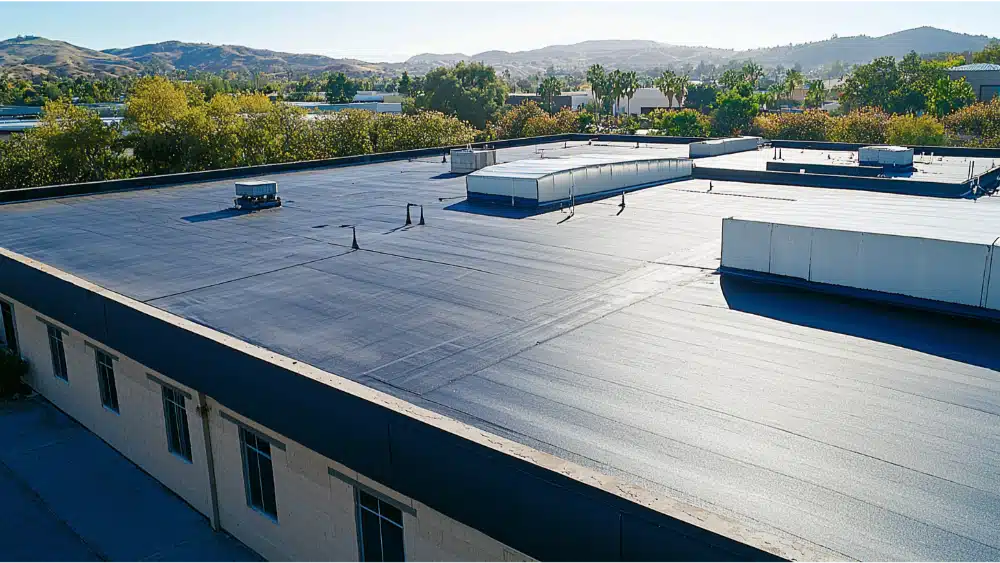
Roofs are one of the most important structural components of any building, yet they are often only noticed when problems begin to appear. In modern construction, especially for commercial and low-slope buildings, advanced materials have transformed how roofs perform under pressure from weather, heat, and environmental exposure. Among these materials, TPO roofing has become a widely adopted solution due to its balance of durability, energy efficiency, and cost-effectiveness. Understanding how this system works, why it is used, and what factors influence its performance helps property owners make better long-term decisions for building protection.
Roofing systems today are no longer just simple protective covers; they are engineered assemblies designed to manage water flow, regulate temperature, and resist environmental stress. As energy efficiency standards increase and building performance expectations grow, roofing materials must meet higher demands than ever before. This is where thermoplastic-based roofing systems have gained popularity, offering a modern alternative to traditional materials that often require more maintenance or provide less thermal efficiency.
Understanding the Structure of Modern Flat Roofing Systems
Flat and low-slope roofs require a different approach compared to steep-sloped residential roofs. Instead of relying on gravity to quickly shed water, these systems depend on precise waterproofing layers and controlled drainage designs. A typical flat roofing system includes a structural deck, insulation layers, vapor barriers, and a waterproof membrane that serves as the primary protective surface.
The membrane layer is especially important because it directly handles exposure to rain, sunlight, wind, and temperature fluctuations. Any weakness in this layer can lead to leaks, insulation damage, and structural deterioration over time. For this reason, material selection plays a critical role in determining the lifespan and reliability of the roof.
Modern roofing membranes are designed not only for protection but also for flexibility and energy performance. They must withstand expansion and contraction caused by temperature changes while maintaining a seamless waterproof barrier. This balance between strength and adaptability is one of the key reasons newer materials have replaced older systems in many construction projects.
What Makes Thermoplastic Roofing Systems Different
Thermoplastic roofing materials are designed using advanced polymer technology that allows the material to be heat-welded at seams, creating a continuous and highly durable surface. Unlike traditional roofing systems that rely heavily on adhesives or mechanical fastening alone, thermoplastic membranes form strong bonded seams that significantly reduce the risk of leaks.
One of the defining characteristics of these systems is their reflective surface, which helps reduce heat absorption. This contributes to improved energy efficiency by lowering cooling demands inside buildings, especially in structures with large roof areas exposed to direct sunlight.Within this category, TPO roofing has gained attention as a cost-effective and environmentally conscious option. It combines durability with heat-reflective properties and is commonly used in commercial and industrial buildings where performance and efficiency are top priorities.
Key Advantages of TPO-Based Roofing Systems
One of the most significant benefits of thermoplastic roofing systems is their energy efficiency. The reflective surface helps reduce heat buildup, which can significantly lower indoor temperatures during warm seasons. This can translate into reduced reliance on air conditioning systems and lower energy costs over time.
Another advantage is durability. These membranes are designed to resist UV radiation, chemical exposure, and weather-related wear. They maintain flexibility even under temperature extremes, which helps prevent cracking or splitting over time. The heat-welded seams create strong bonds that are less likely to fail compared to traditional adhesive-based systems.
Maintenance requirements are also relatively low when compared to older roofing materials. Routine inspections and basic cleaning are usually sufficient to keep the system in good condition. When properly installed, TPO roofing systems can provide long service life while maintaining consistent performance.
In addition, these materials are often considered environmentally friendly because they can be manufactured without chlorine and are sometimes recyclable, making them an attractive option for sustainable construction projects.
Installation Process and Why Precision Matters
Proper installation is one of the most important factors influencing the performance of any roofing system. Thermoplastic membranes require careful handling and specialized equipment to ensure seams are properly heat-welded and the membrane is correctly secured to the roof surface.
The installation process typically begins with preparing the roof deck, ensuring it is clean, dry, and structurally sound. Insulation boards are then installed to improve thermal performance and provide a stable base for the membrane. After this, the roofing membrane is rolled out and positioned across the surface.
Seams between membrane sheets are welded using controlled heat to create a continuous waterproof barrier. This step is critical because improperly welded seams can compromise the entire system. Once the membrane is fully installed, edges and penetrations such as vents, drains, and HVAC units are carefully sealed to prevent water infiltration.
Because of the technical nature of the installation, skilled professionals are essential to achieving long-term performance and reliability.
Common Issues and Maintenance Considerations
Although thermoplastic roofing systems are known for durability, they are not completely maintenance-free. Over time, environmental exposure and physical stress can create minor issues that need attention.
One common concern is puncture damage caused by foot traffic, debris, or installation equipment. While the material is strong, it is still susceptible to sharp objects or heavy impact. Regular inspections help identify and repair these issues early before they develop into leaks.
Another potential issue is seam separation, although this is rare when proper welding techniques are used. If seams are not correctly bonded or are damaged over time, they can become weak points in the system.
Drainage is also an important factor in maintenance. Standing water on flat roofs can place additional stress on the membrane and increase the risk of long-term damage. Ensuring that drains remain clear and functional is essential for preserving system integrity.Routine inspection and timely repairs play a crucial role in extending the lifespan of TPO roofing systems and maintaining their performance over time.
Energy Efficiency and Environmental Benefits
One of the main reasons thermoplastic membranes have become popular in modern construction is their contribution to energy efficiency. The reflective surface helps reduce heat absorption, which can significantly improve indoor temperature regulation. This is particularly beneficial for large buildings where cooling costs can be substantial.
By reducing heat transfer into the building, these roofing systems help decrease the workload on HVAC systems, resulting in lower energy consumption. Over time, this can lead to meaningful cost savings and improved environmental performance.In addition to energy efficiency, many thermoplastic materials are designed with environmental considerations in mind. They often contain fewer harmful chemicals compared to older roofing materials and may be recyclable at the end of their service life. This aligns with modern sustainability goals in construction and building management.
Comparing Thermoplastic Roofing with Traditional Systems
Traditional roofing systems such as built-up roofing or modified bitumen have been widely used for decades. While these systems are still functional, they often require more maintenance and may not provide the same level of energy efficiency as modern alternatives.
Thermoplastic systems offer improved seam strength due to heat welding, which reduces the likelihood of leaks. They also tend to be lighter in weight, reducing structural load on buildings. In contrast, older systems may rely on multiple layers of heavy materials, which can increase installation complexity.
The long-term performance of modern membranes often makes them a more cost-effective option when considering lifecycle costs rather than just initial installation expenses.
Importance of Professional Installation and Inspection
The success of any roofing system depends heavily on the quality of installation. Even high-quality materials can fail prematurely if not installed correctly. This is particularly true for thermoplastic systems, where seam welding precision is essential.
Professional roofing contractors use specialized tools and follow strict installation procedures to ensure consistent results. They also conduct post-installation inspections to verify that seams, edges, and penetrations are properly sealed.
Regular professional inspections after installation help identify early signs of wear and ensure that minor issues are addressed before they escalate into major problems. This proactive approach significantly extends the lifespan of the roofing system.When evaluating roofing options, long-term performance is often more important than initial cost. Thermoplastic systems are designed to deliver extended service life with relatively low maintenance requirements, making them a cost-effective solution over time.
Reduced energy consumption, fewer repairs, and longer material lifespan all contribute to lower overall ownership costs. While the upfront investment may vary depending on installation and building size, the long-term benefits often outweigh initial expenses.For many property owners, choosing TPO roofing represents a strategic decision that balances performance, efficiency, and sustainability.
Conclusion: A Smart Choice for Modern Roofing Needs
In an era where efficiency and sustainability are becoming increasingly important, advanced roofing systems like TPO roofing continue to play a vital role in shaping the future of modern construction.
Roofing technology has evolved significantly, and modern building requirements demand solutions that go beyond basic protection. Thermoplastic membrane systems offer a combination of durability, energy efficiency, and long-term value that makes them suitable for a wide range of commercial and industrial applications.
With proper installation, regular maintenance, and professional oversight, these systems can provide reliable performance for many years. Understanding how they work and what makes them effective helps property owners make informed decisions that protect both their buildings and their long-term investments.
