
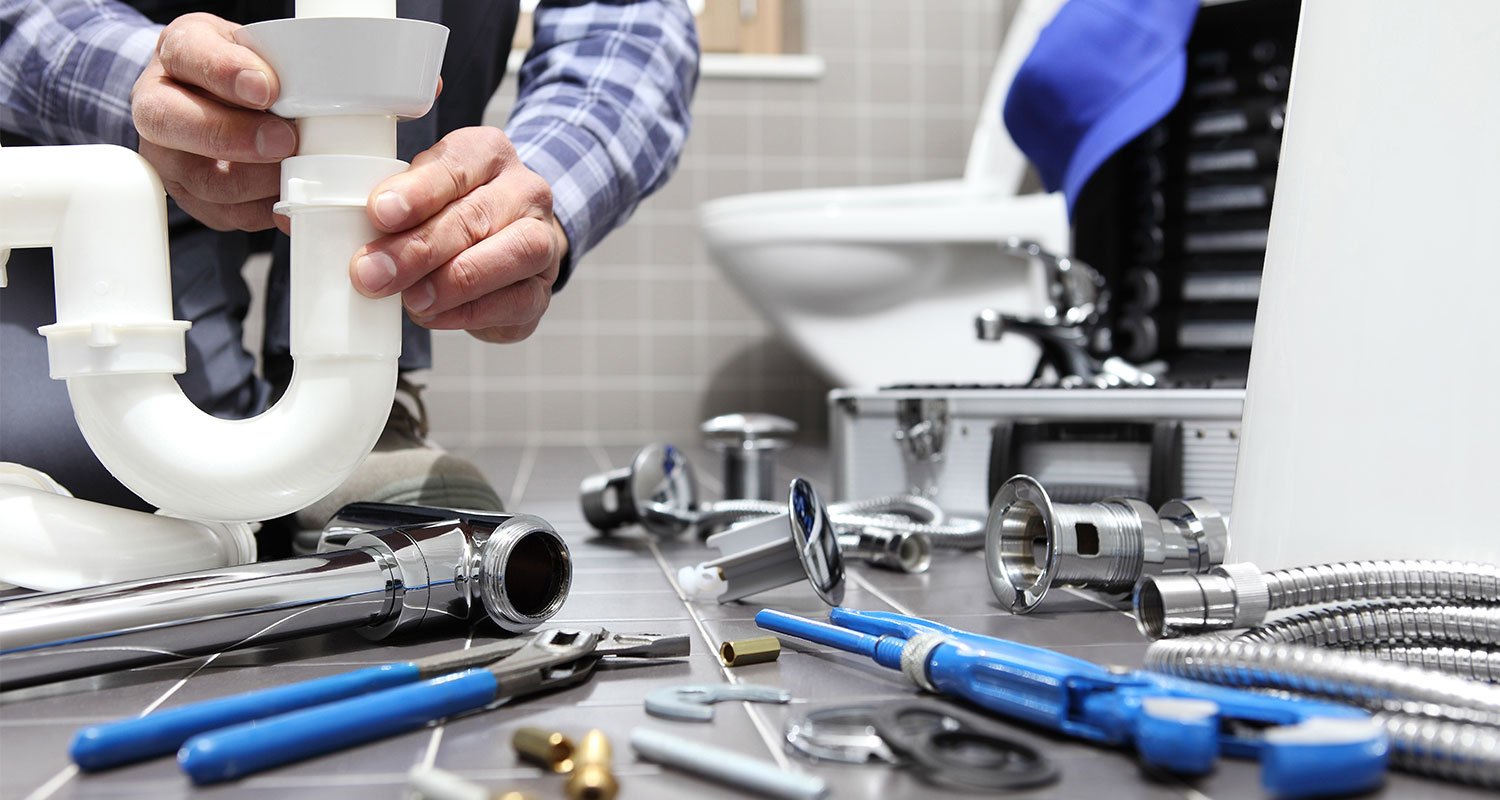
Plumbing emergencies rarely happen at convenient times. A pipe can burst in the middle of the night, a water heater can fail during a holiday, or a severe leak can develop just as a business is opening for the day. These situations are not only stressful but also potentially destructive, as water can spread quickly and cause structural damage, electrical hazards, and expensive repairs if not handled immediately. This is why access to a reliable 24/7 emergency plumbing service has become a crucial part of modern property maintenance and protection.
Unlike routine plumbing maintenance, emergency plumbing is focused on rapid response and immediate damage control. The goal is not just to fix the issue but to prevent it from escalating into a larger and more costly disaster. In many cases, the difference between minor repair work and major restoration depends entirely on how quickly professional help arrives.
As buildings become more complex and plumbing systems more integrated, the need for around-the-clock plumbing support continues to grow. Homes, offices, restaurants, hospitals, and industrial facilities all rely on uninterrupted water systems, and even a short disruption can lead to serious operational and financial consequences.
Understanding What Qualifies as a Plumbing Emergency
Not every plumbing issue requires emergency intervention, but many situations demand immediate attention to prevent further damage. A plumbing emergency typically involves any sudden failure or malfunction that threatens property safety, health, or essential water supply.
One of the most common emergencies is a burst pipe. When a pipe bursts, water can flood an area within minutes, damaging floors, walls, furniture, and electrical systems. Immediate shut-off and repair are critical to limiting the damage.
Severe leaks are another urgent issue. Even if water flow appears manageable, continuous leaking can weaken structural materials, promote mold growth, and increase water bills significantly if left unattended.
Sewer backups represent a particularly serious emergency. When wastewater flows back into a building, it creates unsanitary conditions and exposes occupants to harmful bacteria and contaminants. This type of issue requires immediate professional intervention.
Water heater failures can also qualify as emergencies, especially when they result in flooding or loss of hot water during critical usage times. Similarly, blocked main water lines or complete loss of water supply can disrupt essential daily activities and require urgent repair.
The Importance of Immediate Response in Plumbing Emergencies
Time is one of the most critical factors in any plumbing emergency. Water damage spreads quickly, often reaching hidden areas such as behind walls, under flooring, and inside insulation. The longer water remains uncontrolled, the more extensive the damage becomes.
In the first few minutes of a major leak, water can saturate carpets and seep into structural materials. Within hours, drywall may begin to weaken, and electrical systems may become compromised. Over the next 24 to 48 hours, mold growth can begin, significantly increasing health risks and repair costs.
A fast response from a 24/7 emergency plumbing service helps minimize these risks by quickly stopping the source of water and initiating necessary repairs. Professional plumbers are trained to assess situations rapidly, isolate the problem, and implement immediate solutions that prevent further damage.
Common Causes of Emergency Plumbing Problems
Emergency plumbing issues can arise from a variety of causes, many of which develop gradually before suddenly failing. One of the most common causes is aging plumbing infrastructure. Pipes, valves, and fittings naturally degrade over time, making them more prone to leaks and bursts.
Extreme weather conditions can also contribute to plumbing emergencies. Freezing temperatures can cause pipes to expand and crack, while heavy rainfall can overwhelm drainage systems and lead to backups or flooding.
Poor installation practices are another contributing factor. If plumbing systems are not installed correctly, weak connections and improper fittings can lead to sudden failures under pressure.
Blockages are also a frequent cause of emergencies. Accumulation of grease, debris, foreign objects, or mineral buildup can obstruct water flow and create pressure that leads to pipe damage or backups.
In commercial environments, high water usage and continuous system demand increase the likelihood of unexpected failures. Equipment malfunction or system overload can quickly escalate into emergency situations.
How Emergency Plumbing Services Operate
Emergency plumbing services are designed to provide rapid, efficient response at any time of day or night. When a call is received, the primary objective is to dispatch a qualified technician as quickly as possible to assess and stabilize the situation.
Upon arrival, the plumber first identifies the source of the problem. This may involve inspecting visible damage, checking water pressure, or using diagnostic tools to locate hidden leaks or blockages. Once the issue is identified, immediate steps are taken to stop water flow and prevent further damage.
Temporary repairs are often implemented first to stabilize the situation. This may include sealing leaks, replacing damaged pipe sections, or shutting off affected parts of the system. Once the emergency is under control, a more detailed repair plan is developed to fully restore the plumbing system.
Advanced tools such as leak detection equipment, inspection cameras, and pressure testing devices are commonly used to diagnose problems quickly and accurately. These technologies allow plumbers to address issues efficiently without unnecessary disruption.
The Role of 24/7 Availability in Reducing Damage
The availability of around-the-clock plumbing services is one of the most important factors in minimizing water-related damage. Plumbing emergencies do not follow a schedule, and delays in response can significantly worsen the situation.
Nighttime emergencies are particularly risky because they may go unnoticed for longer periods. A small leak that begins overnight can cause extensive damage by morning if not addressed promptly. Similarly, weekend or holiday emergencies can be difficult to manage without immediate professional support.
A 24/7 emergency plumbing service ensures that help is always available, regardless of the time or day. This continuous availability provides peace of mind for property owners and reduces the risk of long-term damage caused by delayed response.
Health and Safety Risks Associated with Plumbing Emergencies
Plumbing emergencies are not just structural concerns; they also pose significant health and safety risks. One of the most serious risks is exposure to contaminated water, especially in cases involving sewer backups or wastewater leaks. These situations can introduce harmful bacteria, viruses, and pathogens into the environment.
Standing water also creates slip hazards, increasing the risk of accidents and injuries. In commercial settings, this can pose liability concerns for business owners.
Electrical hazards are another major concern. Water intrusion near electrical systems can lead to short circuits, power outages, or even fire risks if not handled properly. This is why immediate professional intervention is essential in such cases.Prolonged moisture exposure can also lead to mold growth, which negatively affects indoor air quality and can cause respiratory issues, allergies, and other health problems.
Preventing Plumbing Emergencies Before They Occur
While emergency plumbing services are essential, prevention remains the most effective strategy for avoiding costly damage. Regular maintenance plays a key role in identifying potential issues before they escalate.Routine inspections of pipes, fixtures, and appliances can help detect early signs of wear, corrosion, or leakage. Addressing these issues early can prevent sudden failures.
Drain cleaning is also important for preventing blockages that may lead to backups or pipe bursts. Avoiding the disposal of grease, food waste, and non-flushable materials helps maintain proper drainage flow.
Monitoring water pressure is another preventive measure. Excessively high pressure can strain pipes and increase the risk of leaks or bursts over time.Seasonal maintenance is especially important in areas exposed to temperature fluctuations. Insulating pipes and checking for freeze risks can help prevent winter-related plumbing emergencies.
Choosing a Reliable Emergency Plumbing Provider
Selecting the right emergency plumbing provider is essential for ensuring fast and effective service during critical situations. Experience and technical expertise are key factors to consider when evaluating providers.
A reliable service should offer rapid response times and be equipped to handle a wide range of emergencies. Availability of advanced diagnostic tools and well-trained technicians also contributes to more efficient problem resolution.Transparency in pricing and communication is important, especially during emergencies when quick decisions are required. A professional provider should clearly explain the issue, proposed solutions, and expected costs before proceeding with major repairs.
Reputation and reliability also play a significant role. Providers with strong customer feedback and proven track records are more likely to deliver consistent and dependable service.While emergency plumbing services are often associated with unexpected costs, they provide significant long-term value by preventing extensive damage and reducing overall repair expenses. Quick intervention can save thousands of dollars in structural repairs, water damage restoration, and mold remediation.For businesses, emergency plumbing services help minimize downtime and maintain operational continuity. For homeowners, they provide peace of mind knowing that critical issues can be resolved at any time.
Ultimately, the availability of 24/7 emergency plumbing service is an essential safeguard that protects both property and health.
Conclusion
Plumbing emergencies can occur without warning and escalate rapidly if not addressed immediately. From burst pipes and sewer backups to major leaks and system failures, these issues require fast, professional intervention to prevent extensive damage and health risks.
A 24/7 emergency plumbing service ensures that help is always available when it is needed most, providing rapid response, expert diagnosis, and effective repair solutions. By combining emergency readiness with preventive maintenance, property owners can significantly reduce the likelihood and impact of plumbing disasters.
In a world where water damage can spread within minutes, having access to reliable emergency plumbing support is not just a convenience it is a necessity for protecting homes, businesses, and long-term property value.
