
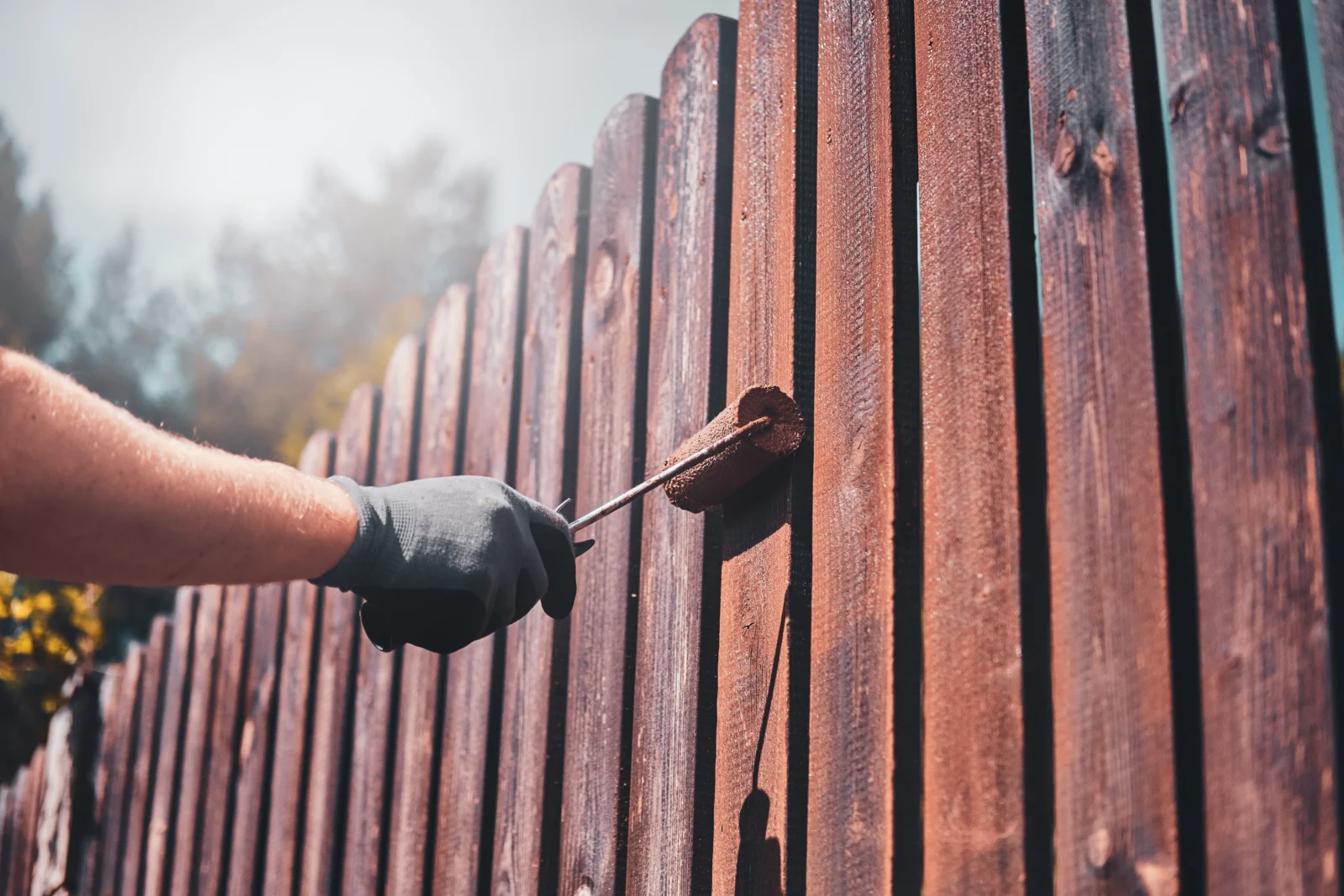
Fence painting is often seen as a simple cosmetic task, but in reality, it plays a much more important role in maintaining and protecting outdoor structures. A well-painted fence does more than improve curb appeal; it also shields the material from weather damage, moisture, UV rays, and long-term wear. Whether the fence is made of wood, metal, or composite materials, proper painting can significantly extend its lifespan and preserve its structural integrity.
Over time, fences are constantly exposed to environmental stress. Sunlight causes fading and surface breakdown, rain introduces moisture that can lead to rot or rust, and temperature fluctuations cause expansion and contraction that weaken the material. Without protective coating, these factors gradually deteriorate the fence, making it both unattractive and structurally vulnerable. This is why fence painting is considered an essential part of routine property maintenance rather than a purely decorative upgrade.
Why Fence Painting Matters Beyond Appearance
While many property owners focus on the visual transformation that painting provides, the functional benefits are equally important. Paint acts as a protective barrier that seals the surface of the fence, preventing moisture from penetrating the material. In wooden fences, this helps reduce the risk of rot, warping, and insect infestation. In metal fences, paint prevents oxidation and rust formation, which can weaken the structure over time.
Fence painting also helps maintain property value. A clean, well-maintained fence enhances the overall appearance of a property, creating a positive first impression. This is especially important for residential homes, rental properties, and commercial spaces where exterior presentation influences perception.
Another important benefit is cost savings. Regular maintenance through painting reduces the need for major repairs or full fence replacement. Addressing surface wear early through repainting is far more economical than replacing damaged sections later.
Types of Fences That Require Painting
Different fence materials require different painting approaches, but most outdoor fences benefit from some form of protective coating.
Wooden fences are the most common type requiring painting or staining. Wood is naturally porous, meaning it absorbs moisture easily. Without a protective layer, it becomes vulnerable to decay, mold growth, and insect damage. Painting or staining helps seal the surface and extend its lifespan.Metal fences, including iron and steel, require paint to prevent rust and corrosion. These fences are often exposed to rain and humidity, making protective coatings essential for long-term durability. Specialized rust-resistant primers and paints are commonly used for metal surfaces.
Composite fences are designed to be more durable and low-maintenance, but they may still require painting for aesthetic purposes or added protection in harsh environments. Proper surface preparation is important to ensure paint adhesion.Vinyl fences typically do not require painting, but in some cases, homeowners choose to paint them for color customization. Special paints designed for vinyl surfaces are necessary to ensure proper bonding.
Preparing a Fence for Painting
Proper preparation is one of the most important steps in achieving a long-lasting and professional-looking finish. Skipping preparation often leads to uneven coverage, peeling paint, and reduced durability.The first step is cleaning the fence thoroughly. Dirt, dust, mold, and mildew must be removed to ensure the paint adheres properly. This is often done using a pressure washer or cleaning solution depending on the level of buildup.
Once cleaned, the fence must be allowed to dry completely. Painting over a damp surface can trap moisture underneath the paint layer, leading to bubbling and premature peeling.For wooden fences, sanding is often necessary to smooth rough surfaces and remove old peeling paint. This helps create a uniform base for the new coating. Metal fences may require rust removal and priming before painting begins.
Masking surrounding areas such as plants, walls, or pathways is also important to prevent accidental paint splatter and ensure clean edges.Selecting the right type of paint is crucial for achieving durability and visual appeal. Outdoor-grade paints are specifically designed to withstand environmental conditions such as sunlight, rain, and temperature changes.
For wooden fences, acrylic latex paint or exterior wood stain is commonly used. Stains penetrate the wood and enhance its natural texture, while paint provides a solid, uniform color finish.Metal fences typically require rust-inhibiting primers followed by oil-based or specialized exterior metal paints. These coatings help prevent corrosion and provide a strong protective layer.Color selection also plays an important role. Lighter colors tend to reflect sunlight and reduce heat absorption, while darker colors offer a more dramatic and modern appearance. The choice often depends on the overall design of the property.
The Fence Painting Process Step by Step
Fence painting is a structured process that requires attention to detail at every stage. Once the surface is prepared, primer is applied if needed. Primer helps improve paint adhesion and enhances durability, especially on bare wood or metal surfaces.
After priming, the first coat of paint is applied evenly using brushes, rollers, or spray equipment depending on the fence design. Brushes are often used for detailed areas, while rollers and sprayers are preferred for large flat surfaces.
Once the first coat dries, a second coat is usually applied to ensure full coverage and a more durable finish. Multiple coats help protect the fence from weather exposure and extend the lifespan of the paint job.Drying time is an important factor throughout the process. Proper curing ensures that the paint bonds effectively with the surface and provides long-lasting protection.
Common Mistakes in Fence Painting
One of the most common mistakes is neglecting surface preparation. Painting over dirty or damp surfaces leads to poor adhesion and early paint failure. Proper cleaning and drying are essential for success.
Another frequent mistake is using the wrong type of paint. Interior paints or low-quality coatings are not designed to withstand outdoor conditions and will degrade quickly.Applying paint too thickly can also cause issues such as dripping, uneven drying, and cracking. Thin, even coats are more effective and durable.
Ignoring weather conditions during painting is another problem. Painting during rain, high humidity, or extreme heat can negatively affect the final result.Once a fence has been painted, regular maintenance helps preserve its appearance and protective qualities. Periodic cleaning removes dirt and debris that can wear down the paint over time.Inspecting the fence for signs of damage such as peeling, cracking, or fading allows for early repairs before larger issues develop. Touch-up painting can extend the lifespan of the coating and maintain a fresh appearance.
For wooden fences, it is important to monitor for signs of moisture damage or insect activity. For metal fences, checking for rust spots ensures that corrosion is addressed early.Proper maintenance not only keeps the fence looking good but also reduces long-term repair costs.
Benefits of Professional Fence Painting Services
While fence painting can be a DIY project, professional services offer several advantages. Professionals have the experience, tools, and materials needed to deliver a high-quality and long-lasting finish.They are skilled in surface preparation, ensuring that all cleaning, sanding, and priming steps are completed correctly. This leads to better paint adhesion and durability.
Professionals also have access to commercial-grade equipment such as sprayers that provide even coverage and faster completion times. This is especially useful for large properties or complex fence designs.
In addition, hiring professionals reduces the risk of mistakes and ensures that the final result meets aesthetic and functional expectations.Modern fence painting practices increasingly focus on environmental responsibility. Many paints now contain low levels of volatile organic compounds (VOCs), which reduce harmful emissions and improve air quality.
Proper disposal of old paint materials and cleaning solutions is also important to prevent environmental contamination. Water-based paints are often preferred for their lower environmental impact.Sustainable maintenance practices, such as extending the lifespan of existing fences through painting rather than replacement, also contribute to environmental conservation.
Conclusion
Fence painting is a vital maintenance practice that combines both aesthetic improvement and structural protection. It enhances the appearance of a property while also safeguarding fences from environmental damage, moisture, and long-term deterioration.
From proper surface preparation to selecting the right materials and applying coatings correctly, each step plays a crucial role in ensuring a durable and attractive finish. Whether done as a DIY project or by professionals, fence painting delivers long-term value by extending the life of fencing structures and improving overall property appeal.
Ultimately, a well-maintained fence reflects a well-maintained property, making fence painting an essential investment in both beauty and durability.
