
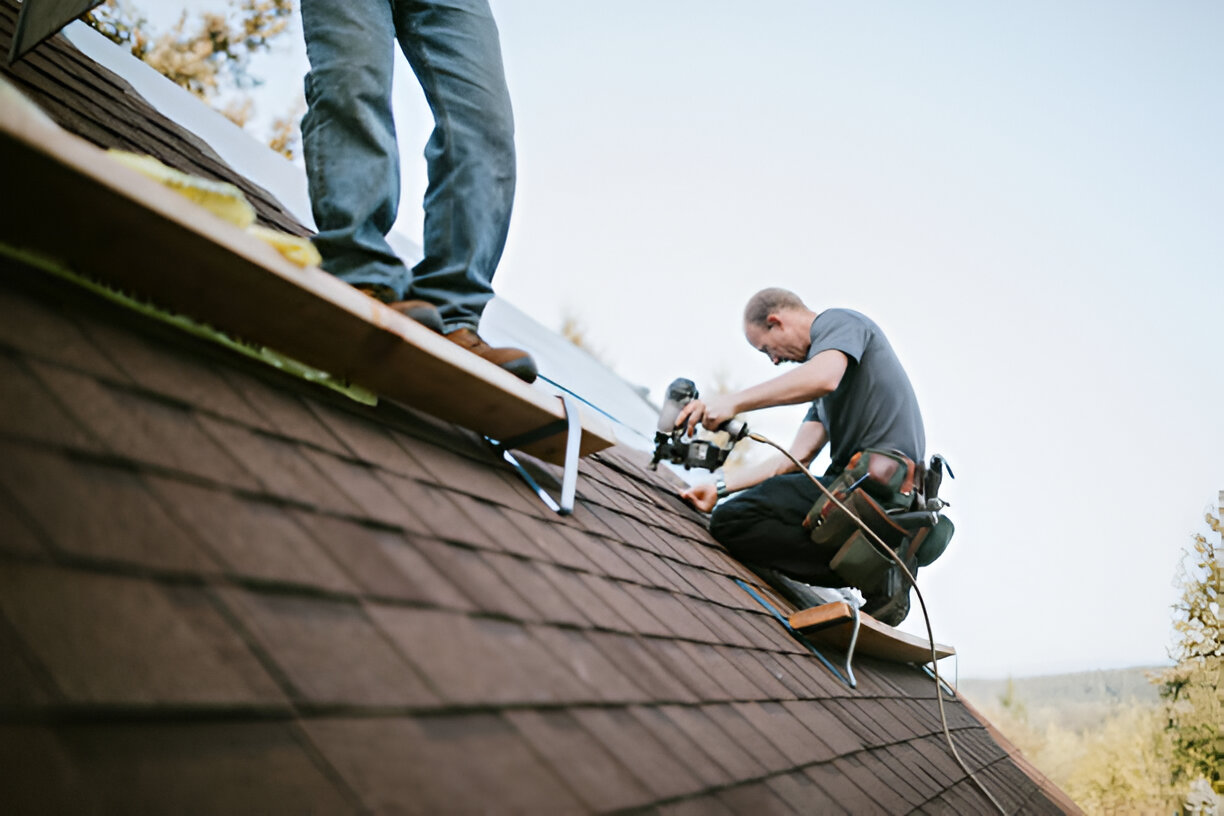
A roof is one of the most important structural elements of any building, acting as the primary barrier between interior spaces and external environmental conditions. It protects against rain, wind, sunlight, temperature fluctuations, debris, and in many cases even pests. Despite its critical role, roofing systems are often overlooked until visible problems appear. By the time leaks, sagging, or missing materials become noticeable inside a building, underlying damage may already be significant. This makes proactive attention to roof condition essential for preserving structural integrity, preventing costly repairs, and maintaining long-term property value.
Roof systems are continuously exposed to harsh conditions that gradually degrade materials over time. Even the most durable roofing materials eventually experience wear due to ultraviolet radiation, moisture penetration, thermal expansion, and mechanical stress caused by wind and debris. Small issues that seem insignificant at first can escalate quickly if not addressed, leading to insulation damage, mold growth, compromised framing, and interior water intrusion. Understanding how roof systems deteriorate and how maintenance decisions impact longevity is essential for responsible property ownership.
The Function and Importance of a Roofing System
A roofing system is more than just an outer covering; it is a layered structure designed to protect the entire building envelope. It typically consists of shingles or protective membranes, underlayment materials, waterproof barriers, insulation layers, ventilation systems, and drainage components such as gutters. Each layer works together to regulate temperature, prevent moisture entry, and ensure proper airflow within the structure.
Proper ventilation is particularly important because it helps regulate heat and moisture buildup in attic spaces. Without adequate ventilation, condensation can accumulate, leading to mold development and premature deterioration of wooden structural elements. Similarly, drainage systems play a critical role in directing water away from the building. If these systems become blocked or damaged, water may pool on the roof surface, increasing the risk of leaks and structural stress.
Because the roofing system is exposed to constant environmental pressure, even minor weaknesses can compromise the entire structure. This is why regular inspection and timely intervention are essential for maintaining long-term stability.
Common Causes of Roof Damage
Roof damage can occur for a variety of reasons, many of which develop gradually over time rather than as sudden failures. One of the most common causes is weather exposure. Heavy rain, hail, snow, and strong winds can loosen shingles, crack protective layers, or create openings that allow moisture to penetrate the underlying structure.
Sun exposure is another major factor. Prolonged ultraviolet radiation causes roofing materials to dry out, become brittle, and lose flexibility. Over time, this leads to cracking, curling, or surface degradation, especially in older roofing systems.
Poor installation practices can also contribute to premature roof failure. If materials are not properly aligned, sealed, or secured, weak points may develop that allow water infiltration. These issues may not be immediately visible but can lead to significant long-term damage.
Blocked gutters and drainage systems are another frequent cause of roofing problems. When water cannot flow away efficiently, it may back up onto the roof surface, increasing the risk of leaks and structural saturation.In addition, natural aging plays a significant role. All roofing systems have a finite lifespan, and as materials degrade, their ability to resist environmental stress diminishes. Regular monitoring is essential to identify when a system is approaching the end of its functional life.
Early Warning Signs of Roof Deterioration
Identifying early signs of roof problems can prevent minor issues from developing into major structural damage. One of the most common indicators is water staining on ceilings or upper walls. These stains often suggest that moisture is penetrating the roofing system and reaching interior surfaces.
Missing, cracked, or curling shingles are another clear warning sign. These defects indicate that the protective outer layer has been compromised, allowing water to reach underlying materials.
Unusual indoor humidity levels or musty odors in attic spaces can also signal moisture intrusion. In many cases, water damage is not immediately visible but manifests through changes in air quality or insulation performance.Sagging roof sections are a more serious indicator of structural weakening. This may suggest that underlying support beams or decking materials have been compromised due to prolonged exposure to moisture.
Increased energy bills can also be indirectly linked to roofing issues. Damaged insulation or ventilation problems may cause heating and cooling systems to work harder than necessary.
The Importance of Timely Intervention
Delaying roof maintenance or repair can significantly increase the extent and cost of damage. Small leaks may seem harmless at first, but water intrusion tends to spread unpredictably within structural cavities. Once moisture reaches insulation or wooden framing, it can cause rot, mold growth, and long-term deterioration.
Timely intervention helps prevent these secondary issues by addressing the root cause before it escalates. Early repairs are typically more cost-effective because they involve localized fixes rather than large-scale replacements.In many cases, property owners rely on professional assessment to determine the severity of damage and appropriate solutions. This is where structured roof repair becomes essential, as it ensures that both visible and hidden issues are addressed comprehensively rather than temporarily patched.Proper intervention not only restores functionality but also extends the lifespan of the entire roofing system. By addressing weak points early, further deterioration can often be prevented entirely.
Key Components Commonly Affected by Roof Damage
Roofing systems consist of multiple interconnected components, each of which may be affected by damage in different ways. Shingles or surface membranes are often the first elements to show signs of wear. These components act as the first line of defense against moisture and UV exposure.
Underlayment materials provide an additional protective layer beneath the surface. If the outer layer is compromised, the underlayment becomes vulnerable to saturation and deterioration.Flashing systems, which are installed around chimneys, vents, and roof edges, are critical for preventing water intrusion at structural joints. Damage or improper sealing in these areas is a common source of leaks.
Roof decking forms the structural base of the system. If moisture penetrates deeply enough, it can weaken or rot this layer, compromising overall stability.Ventilation systems, including ridge vents and soffits, also play a key role in maintaining airflow. Blockages or damage in these areas can lead to heat buildup and moisture accumulation.
The Process of Roof Assessment and Restoration
A proper roof evaluation begins with a thorough inspection of both exterior and interior conditions. Exterior inspection involves examining surface materials, flashing, drainage systems, and structural alignment. Interior inspection focuses on attic spaces, insulation conditions, and signs of moisture penetration.
Once damage is identified, the extent of repair work is determined. Minor issues may involve replacing damaged shingles, resealing flashing, or clearing drainage systems. More extensive damage may require partial or full replacement of roofing sections.
During restoration, damaged materials are carefully removed and replaced with compatible components. Ensuring proper alignment and sealing is critical to prevent future leaks. Special attention is given to vulnerable areas such as joints, valleys, and edges where water is most likely to accumulate.After repairs are completed, the system is tested for integrity, and preventive measures may be applied to reduce future risk. This may include improved sealing, enhanced ventilation adjustments, or upgraded materials.
Preventive Maintenance for Long-Term Roof Performance
Regular maintenance is one of the most effective ways to extend the lifespan of a roofing system. Periodic inspections help identify early signs of wear before they develop into serious issues.
Cleaning gutters and drainage systems is particularly important because blocked water flow is a common cause of roof damage. Removing debris ensures that water is properly directed away from the structure.Trimming overhanging branches reduces the risk of physical damage from falling limbs and minimizes debris accumulation on the roof surface. It also helps prevent moisture retention caused by shaded areas.Monitoring attic ventilation and insulation conditions ensures that temperature and humidity levels remain balanced. Proper airflow reduces the risk of condensation and material degradation.
Consistent maintenance reduces the likelihood of emergency situations and supports long-term structural integrity.Roof maintenance is closely tied to long-term financial planning for property ownership. While minor repairs may involve modest costs, neglecting issues can lead to significantly higher expenses due to structural damage, interior restoration, and insulation replacement.Early intervention is almost always more cost-effective than delayed action. Addressing small leaks or damaged sections prevents widespread deterioration that could require full system replacement.In addition, well-maintained roofs contribute to higher property value and improved marketability. Potential buyers often view roofing conditions as a key indicator of overall property health.
Environmental Considerations in Roofing Systems
Modern roofing practices increasingly emphasize energy efficiency and environmental responsibility. Reflective materials can reduce heat absorption, lowering energy consumption for cooling systems.
Proper insulation and ventilation also contribute to reduced energy usage by maintaining stable indoor temperatures. Additionally, durable materials reduce waste by extending the lifecycle of roofing systems and minimizing replacement frequency.Sustainable roofing practices help reduce environmental impact while also providing long-term cost savings.While some minor maintenance tasks can be performed by property owners, comprehensive assessment and repair require professional expertise. Roofing systems involve structural, environmental, and safety considerations that demand specialized knowledge and equipment.
Professionals are trained to identify hidden damage, evaluate structural integrity, and implement appropriate repair strategies. Their expertise ensures that repairs are performed safely and effectively, reducing the risk of recurring issues.In many cases, structured roof repair services provide a complete solution that addresses both immediate problems and underlying causes, ensuring long-term reliability.
Conclusion
A roofing system is a critical protective barrier that ensures the safety, comfort, and structural integrity of any building. Over time, exposure to environmental stress leads to gradual wear that must be addressed through careful inspection, maintenance, and timely intervention.
Understanding how roof systems function, recognizing early warning signs of damage, and implementing preventive care can significantly extend their lifespan and reduce long-term costs. When issues do arise, structured repair approaches ensure that both visible and hidden problems are resolved effectively.
Ultimately, consistent attention to roof condition preserves property value, enhances energy efficiency, and provides long-term protection against environmental elements. Responsible maintenance and timely action ensure that roofing systems continue to perform reliably for many years.
