
Introduction
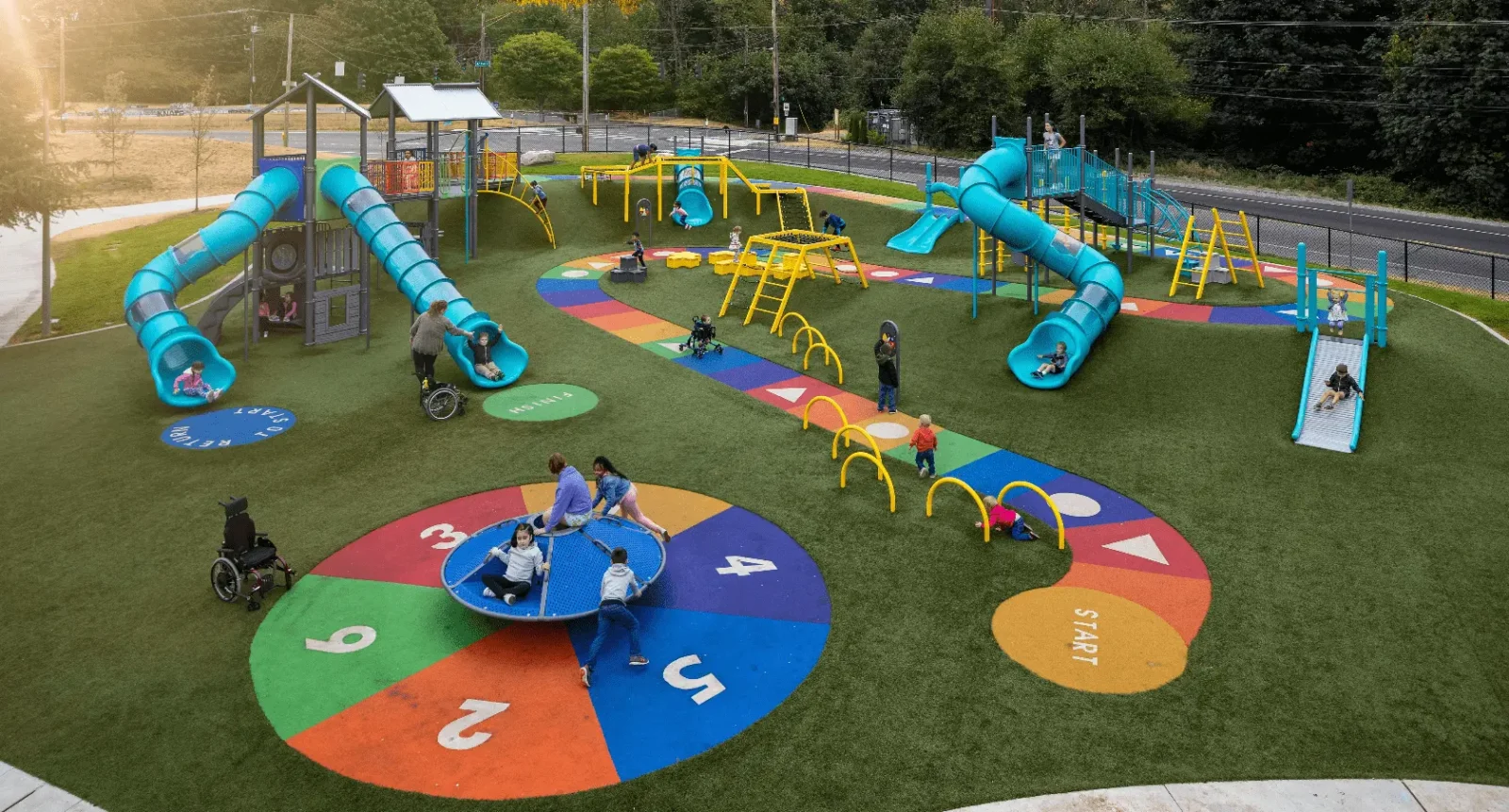
Playgrounds have always been central to childhood development, offering children opportunities to explore, socialize, develop physical skills, and build confidence. However, traditional playground designs often exclude children with physical, sensory, or cognitive disabilities, limiting their ability to participate fully in play experiences. In response to this gap, modern communities and designers have increasingly focused on creating environments that welcome everyone. This shift has led to the development and widespread adoption of inclusive playground equipment, which is designed to ensure that children of all abilities can play together safely and meaningfully.
Inclusive play spaces are not just about accessibility; they are about equity, interaction, and shared experiences. They aim to remove barriers that prevent participation and replace them with thoughtful design features that encourage collaboration, independence, and creativity. As awareness of developmental diversity continues to grow, inclusive playgrounds are becoming a standard rather than an exception in schools, parks, and community spaces.
Understanding the Concept of Inclusive Play
Inclusive play refers to the intentional design of recreational environments that accommodate children with a wide range of physical, sensory, and cognitive abilities. Unlike traditional accessible playgrounds, which may only meet minimum requirements for wheelchair access, inclusive environments go further by ensuring that children can actively engage with play elements rather than simply observe or pass through.
The goal is to create shared experiences where children of all abilities can interact naturally. This approach fosters social integration, reduces isolation, and encourages empathy and understanding among children from different backgrounds and abilities.
At the core of this philosophy is the idea that play is a universal right. Every child should have the opportunity to explore their environment, challenge themselves, and develop skills in a supportive setting. Inclusive design ensures that inclusive playground equipment supports this vision in practical and meaningful ways.
Key Principles Behind Inclusive Playground Design
Designing inclusive play environments requires careful consideration of several key principles. These principles guide the selection and arrangement of equipment to ensure maximum participation.One of the most important principles is accessibility. This means ensuring that pathways, surfaces, and entry points are usable by children with mobility aids such as wheelchairs or walkers. Smooth, stable, and non-slip surfaces are essential for safe movement.
Another principle is sensory engagement. Children with sensory processing differences benefit from equipment that stimulates sight, sound, and touch in controlled and enjoyable ways. Features such as musical panels, textured surfaces, and visual stimuli help create engaging experiences for a wider range of users.Social inclusion is also a key focus. Equipment should encourage group play and interaction rather than isolated use. Swings that accommodate multiple users or structures that allow cooperative climbing are examples of this principle in action.
Finally, flexibility in design ensures that children of different developmental stages and abilities can use the same equipment in different ways. This adaptability is a defining feature of modern inclusive playground equipment.
Sensory Play PanelsBenefits of Inclusive Play Environments
The benefits of inclusive playgrounds extend far beyond physical accessibility. They have a profound impact on social development, emotional well-being, and community integration.
One of the most significant benefits is social inclusion. When children of different abilities play together, they learn to understand and appreciate diversity from an early age. This helps reduce stigma and promotes empathy.Physical development is also enhanced. Inclusive equipment encourages movement, coordination, and strength-building activities tailored to different ability levels. Children are able to engage in physical activity at their own pace and comfort level.
Cognitive development benefits as well. Interactive and sensory-rich environments stimulate problem-solving, creativity, and decision-making skills.Emotional well-being improves when children feel included and valued. Inclusive play environments help build confidence and independence by allowing children to participate fully in activities with their peers.
Design Considerations for Safe and Effective Play Spaces
Safety is a fundamental aspect of any playground design. Inclusive environments must meet the needs of a diverse user group while maintaining high safety standards.
Surfacing materials play a critical role in reducing injury risk. Soft, impact-absorbing surfaces such as rubber flooring or engineered wood fiber are commonly used to create safe landing zones.
Clear sightlines are also important. Caregivers and supervisors should be able to easily observe all areas of the playground to ensure safety and supervision.Equipment spacing must be carefully planned to prevent overcrowding and ensure easy movement for children using mobility aids.
Durability is another important factor. Inclusive playground equipment must withstand frequent use and varying environmental conditions while maintaining safety and functionality.Inclusive playgrounds are often part of broader community development initiatives. Urban planners, educators, and local governments play a key role in integrating inclusive design into public spaces.
These playgrounds are frequently installed in schools, parks, and community centers to ensure widespread access. Community involvement during planning stages helps ensure that the needs of local families are properly addressed.Public investment in inclusive play spaces reflects a commitment to equality and social participation. It also supports healthier communities by encouraging outdoor activity and social interaction.
Challenges in Implementation
Despite their benefits, inclusive playground projects can face several challenges. One of the primary obstacles is cost, as specialized equipment and custom designs may require higher initial investment compared to traditional playgrounds.
Space limitations can also restrict design possibilities, especially in densely populated urban areas.Another challenge is ensuring that equipment meets a wide range of needs without becoming overly complex or difficult to maintain.
Ongoing maintenance is essential to ensure long-term safety and functionality, which can add to operational costs.The future of inclusive playground design is closely tied to innovation in materials, technology, and user-centered design approaches. Smart play systems that incorporate interactive digital elements are becoming more common.There is also a growing emphasis on nature-based inclusive play, where natural environments such as sand, water, and vegetation are integrated into playground design.
Sustainability is another major trend, with eco-friendly materials and energy-efficient construction practices being used more frequently.These advancements continue to expand the possibilities for inclusive playground equipment, making play environments more engaging, accessible, and environmentally responsible.
Conclusion
Inclusive playgrounds represent a significant step forward in creating equitable and engaging recreational spaces for children of all abilities. By focusing on accessibility, sensory engagement, and social interaction, these environments ensure that no child is left out of the experience of play.
Through thoughtful design, community involvement, and ongoing innovation, modern playgrounds can support physical, emotional, and cognitive development while fostering inclusion and understanding. As awareness continues to grow, inclusive play spaces will remain an essential part of building stronger, more connected communities where every child has the opportunity to participate, learn, and thrive.
