
Introduction
Safety has always been one of the most important priorities for homeowners, but the way people achieve that safety has changed dramatically over time. Traditional locks, basic alarms, and manual surveillance have gradually been replaced by intelligent systems that provide real-time monitoring, automation, and instant alerts. This transformation has made Home Security more advanced, efficient, and accessible than ever before.
Modern systems are no longer limited to reacting after an incident occurs. Instead, they are designed to prevent threats, detect unusual activity early, and provide homeowners with complete visibility and control over their property from anywhere in the world. This proactive approach has completely reshaped how people think about protecting their homes and families.
As technology continues to evolve, security systems are becoming more intelligent, more connected, and more integrated with everyday life. This evolution has made modern protection not just a necessity but a seamless part of daily living.
The Evolution of Modern Protection Systems
In earlier times, home protection systems were relatively simple and limited in function. They often consisted of basic alarm systems that would trigger a loud sound when a door or window was opened. While these systems provided some level of deterrence, they lacked communication, intelligence, and remote access capabilities.
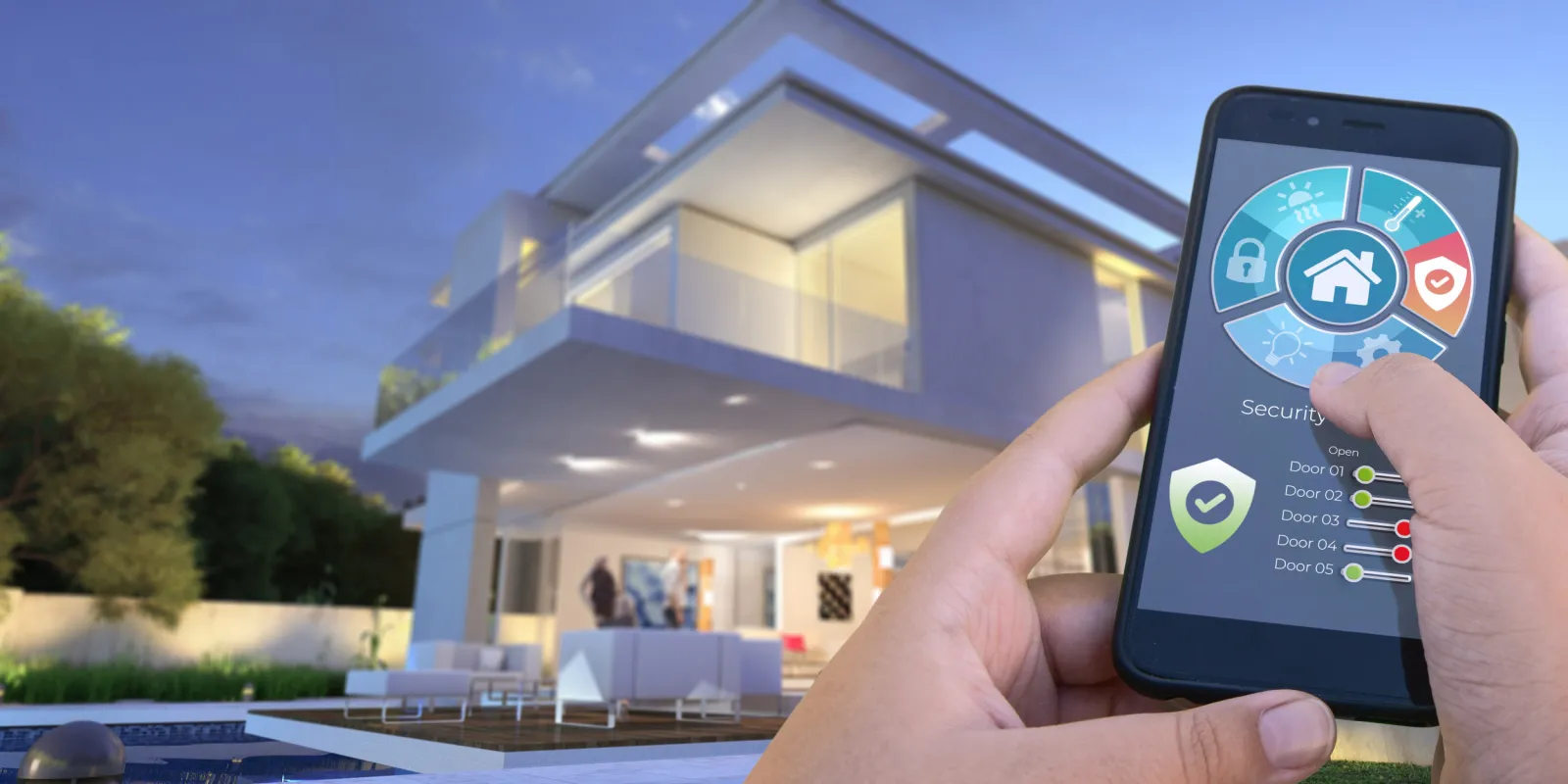
Today, Home Security systems have evolved into highly advanced networks that combine cameras, sensors, smart locks, and cloud-based platforms. These systems allow homeowners to monitor their property in real time, receive instant notifications, and control security settings remotely through mobile devices.
Artificial intelligence and machine learning have further enhanced these systems by enabling them to distinguish between normal activity and suspicious behavior. This reduces false alarms and improves accuracy, making modern systems far more reliable than traditional setups.
This evolution represents a shift from reactive protection to proactive prevention, where potential threats can be identified and addressed before they escalate.
Core Components of a Modern Security System
A complete security system consists of multiple interconnected components that work together to provide comprehensive protection.
Surveillance cameras are one of the most essential elements. Modern cameras offer high-definition video, night vision, motion detection, and live streaming capabilities. These features allow homeowners to continuously monitor their property and review recorded footage when necessary.
Motion sensors are another key component. These devices detect movement in specific areas and trigger alerts when unusual activity is identified. They are commonly installed at entry points such as doors, windows, and driveways.
Smart locks provide keyless entry and remote access control, allowing homeowners to manage who can enter their property without physical keys.
Alarm systems serve as immediate deterrents, alerting both occupants and neighbors in case of suspicious activity. Many systems are also connected to emergency response services for faster action.Together, these components form a complete Home Security ecosystem that enhances both safety and convenience.
Real-Time Monitoring and Remote Access
One of the most significant advancements in modern security technology is real-time monitoring. Homeowners are no longer required to be physically present to keep track of their property. Instead, they can access live video feeds, system controls, and alerts from anywhere using smartphones or computers.
This constant connectivity provides peace of mind, especially when traveling or away from home for long periods. Instant notifications alert homeowners when unusual activity is detected, allowing them to respond quickly and effectively.
Remote access also enables users to lock doors, activate alarms, and control security devices from any location. This level of control ensures that protection is always within reach.
Real-time monitoring has become a central feature of modern Home Security systems, offering both convenience and immediate awareness.
Artificial Intelligence and Smart Detection Systems
Artificial intelligence has significantly improved the performance of modern security systems. AI-powered cameras can differentiate between humans, animals, and inanimate objects, reducing false alarms caused by harmless movement.
Machine learning algorithms analyze behavioral patterns over time, allowing systems to identify unusual activity more accurately. This continuous learning process makes systems smarter and more reliable.
Facial recognition technology adds another layer of protection by identifying familiar individuals and alerting homeowners when unknown visitors are detected.
Automated responses also play a major role. For example, when motion is detected at night, lights may turn on automatically, cameras may begin recording, and alerts may be sent to the homeowner.
These intelligent features make Home Security systems more responsive and adaptive than traditional solutions.
Wireless Technology and System Flexibility
Wireless technology has revolutionized how security systems are installed and operated. Unlike wired systems, wireless solutions are easier to install, more flexible, and scalable.
Devices communicate through secure networks, allowing homeowners to expand or modify their systems without major structural changes. This makes wireless systems suitable for both new and existing homes.
Mobile applications further enhance flexibility by allowing complete system control from a single device. Users can view live footage, adjust settings, and receive alerts in real time.
This convenience has made wireless systems one of the most popular choices for modern Home Security solutions.
Preventing Threats Before They Occur
The primary goal of any security system is not only to detect threats but also to prevent them. Visible cameras, motion-activated lighting, and alarm systems act as strong deterrents against potential intruders.
Studies show that properties with visible security systems are significantly less likely to be targeted. The presence of surveillance equipment increases perceived risk for intruders, discouraging unauthorized access attempts.
Smart systems also provide early warning signals that allow homeowners to respond before situations escalate. This proactive approach is one of the most valuable advantages of modern security technology.
Prevention remains a core principle of effective Home Security design.
Integration with Smart Home Systems
Modern security systems are often integrated with broader smart home ecosystems. This integration allows different devices to communicate and work together seamlessly.
For example, when a security alert is triggered, lights may turn on automatically, doors may lock, and cameras may begin recording. This coordinated response enhances both safety and efficiency.
Integration also simplifies user experience by allowing centralized control of lighting, climate, entertainment, and security systems.
This interconnected approach makes modern Home Security systems more powerful and user-friendly.
Importance of Professional Installation and Support
While many security devices are available for individual use, professional installation ensures that systems are properly configured and optimized. Security systems require careful planning to ensure full coverage and reliable performance.
Professionals assess property layouts, identify vulnerable areas, and design customized solutions based on specific needs. They also ensure that all devices are properly installed and securely connected.
Ongoing maintenance and support are equally important for long-term reliability. Regular updates and system checks help ensure continued performance and protection.
For reliable solutions, services such as Home Security provide complete protection systems designed for performance, reliability, and ease of use.
Professional expertise ensures that systems operate efficiently and remain scalable as technology evolves.
Privacy and Data Protection Considerations
As security systems become more connected, protecting personal data has become increasingly important. Cameras and sensors collect sensitive information that must be secured from unauthorized access.
Strong encryption, secure cloud storage, and multi-factor authentication help protect data and maintain system integrity. Regular software updates also ensure protection against vulnerabilities.
Homeowners should choose systems that prioritize transparency and strong privacy controls.Balancing advanced functionality with strong data protection is essential in modern Home Security design.
The Future of Residential Protection Systems
The future of Home Security will be shaped by continued advancements in artificial intelligence, automation, and connectivity. Systems will become more predictive, identifying potential threats before they occur based on behavioral analysis.
Biometric authentication such as facial recognition and fingerprint scanning will become more common, replacing traditional keys and passwords.
Integration with smart city infrastructure may also improve emergency response times and coordination with authorities.As technology continues to advance, security systems will become even more intelligent, efficient, and adaptive.
Conclusion
Modern Home Security systems have transformed the way people protect their homes by combining intelligent technology, real-time monitoring, and automated responses. These systems offer far more than traditional alarms, providing complete awareness, control, and prevention capabilities.
From AI-powered detection and wireless connectivity to smart integration and remote access, today’s security solutions deliver unmatched convenience and protection. Professional installation ensures reliability and long-term performance.
As innovation continues, home security will become even more advanced, creating safer, smarter, and more connected living environments for the future.
