
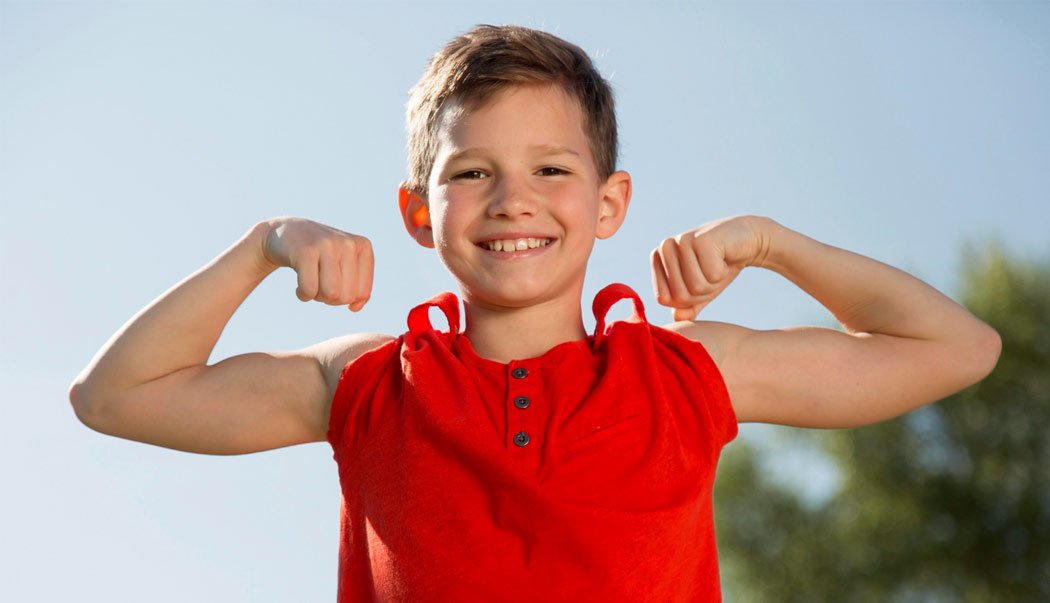
In a world where safety concerns for kids never seem to fade, parents are turning to practical ways to build resilience without instilling fear. Kids self-defense classes stand out as a smart choice, blending physical skills with life lessons that stick. Imagine your child confidently navigating everyday challenges—this article explores fresh ideas to make that a reality.
Why Self-Defense Matters Now More Than Ever
Think about the headlines we’ve seen lately: school lockdowns, stranger alerts, and rising reports of youth bullying amid post-pandemic social shifts. As we head into 2026, data from child safety organizations points to a 15% uptick in reported incidents involving kids in urban areas. Self-defense training equips them not just to react, but to prevent trouble through awareness and quick thinking. It’s about turning vulnerability into quiet power, helping children feel secure wherever they go.
Age-Tailored Training for Real Growth
Children aren’t mini-adults, so effective programs divide into age-based groups to match their developmental stage, with the youngest ones around 5 to 7 years old. Classes zero in on basics like listening skills, following directions, and simple boundary-setting moves.
Picture a session where they learn to say “no” firmly while practicing easy escapes—these build the “core four”: focus, confidence, self-control, and respect. Older kids, say 7 to 12, ramp up with dynamic drills that sharpen reflexes and teamwork, keeping energy high and boredom at bay.
Teens benefit from advanced scenarios that mimic real-life risks, such as de-escalating peer conflicts or spotting digital dangers that lead offline. This progression ensures every child progresses at their own pace, fostering pride in small wins that snowball into bigger habits.
Key Skills Beyond the Punch
Forget Hollywood fight scenes; true self-defense is 90% mindset. Classes teach situational awareness—scanning crowds, trusting gut instincts, and using voice as the first weapon. Physical techniques might include wrist grabs, bear hug breaks, or ground escapes, always practiced with partners in a fun, supportive vibe. But the magic happens in the intangibles: goal-setting sessions where kids track their improvements, boosting discipline and a winner’s outlook.
Parents often share stories of transformed behavior—timid kids standing taller in school, handling bullies with calm words rather than panic. These programs weave in anti-bullying strategies too, like role-playing comebacks that diffuse tension without fists.
A Timely Trend: Family-Inclusive Sessions
With hybrid work here to stay, 2026 brings a surge in family-oriented self-defense workshops. Picture Saturday mornings where parents train alongside kids, modeling vulnerability and grit. Recent initiatives tie this to Mental Health Awareness Month in May and partner with schools for pop-up demos. This approach strengthens home bonds while normalizing safety talks—your family leaves not just skilled, but united.
Experts note that these inclusive models reduce dropout rates by 40% because kids see parents committed to them. It’s a ripple effect: confident kids inspire safer communities.
Getting Started Without Overwhelm
Ready to dip a toe? Start by observing a trial class—watch how instructors handle energy levels and emphasize fun over fear. Look for certified pros with backgrounds in child psychology, ensuring techniques suit developing bodies. Home practice reinforces it: role- play “what if” scenarios during car rides or backyard games.
Commit for at least 3 months; consistency turns novices into naturals. Track progress with a simple journal—what scared them before feels routine now. Your investment pays dividends in poise that lasts a lifetime.