
Introduction to Construction Project Management
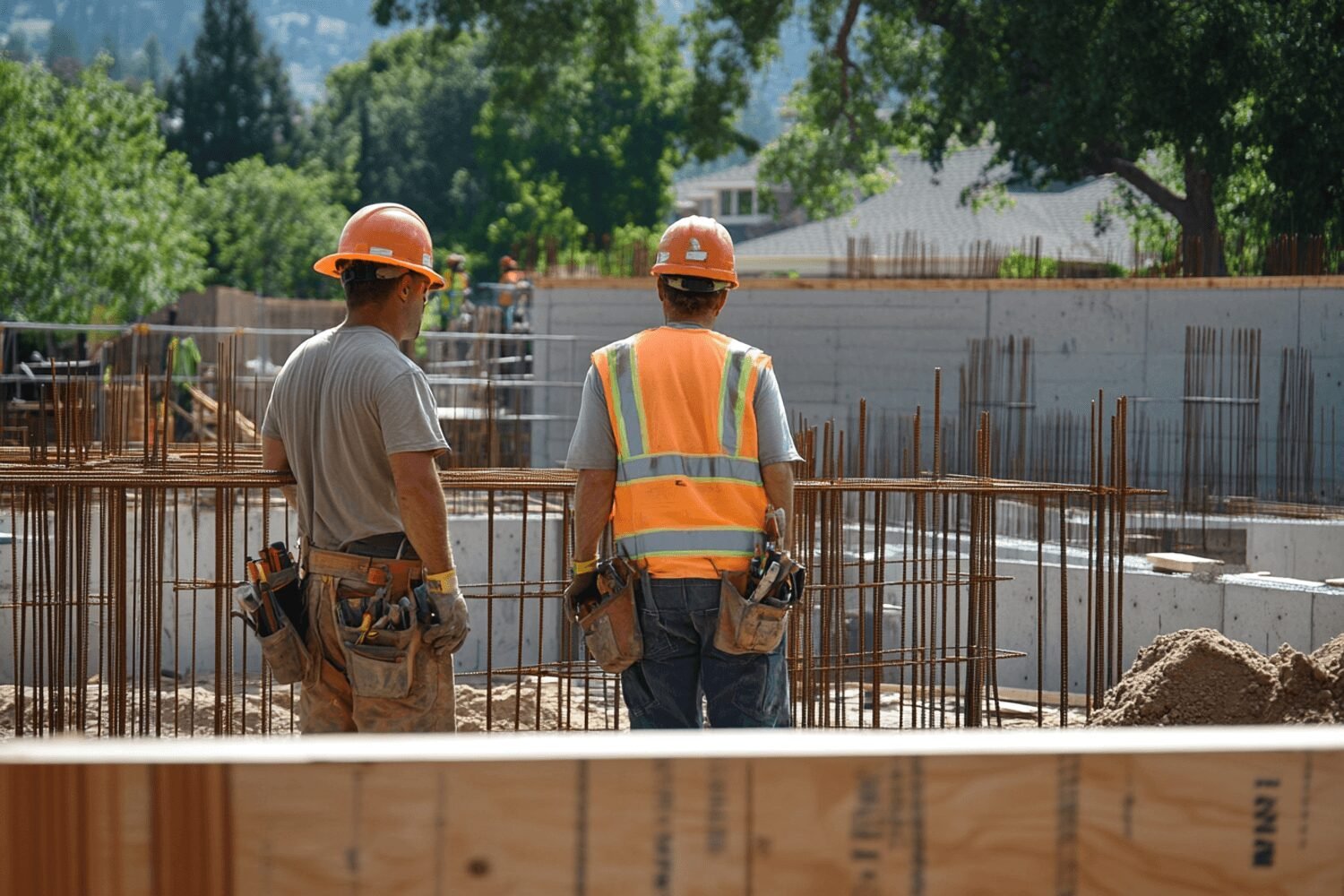
Construction projects, whether residential, commercial, or industrial, involve multiple moving parts that must work together in a coordinated and efficient way. From planning and budgeting to hiring skilled labor and ensuring compliance with building codes, every stage requires careful supervision. This is where a general contractor becomes essential. A general contractor acts as the central figure responsible for managing the entire construction process, ensuring that all tasks are completed correctly, on time, and within budget.
Without proper coordination, construction projects can quickly become disorganized, leading to delays, cost overruns, and poor-quality results. A skilled general contractor bridges the gap between property owners, architects, engineers, and subcontractors, ensuring that every aspect of the project runs smoothly. Their role is not limited to physical construction but extends to planning, communication, problem-solving, and quality control.
What a General Contractor Actually Does
A general contractor is responsible for overseeing the day-to-day operations of a construction project. This includes hiring and managing subcontractors such as electricians, plumbers, carpenters, and painters. Instead of the homeowner or project owner dealing with multiple workers separately, the general contractor handles all coordination and ensures that each specialist completes their assigned tasks according to schedule.
In addition to managing labor, they are also responsible for sourcing materials, obtaining necessary permits, scheduling inspections, and ensuring that the project complies with local building regulations. They serve as the primary point of contact throughout the construction process, which simplifies communication and reduces confusion.
One of the most important responsibilities of a general contractor is maintaining quality control. They inspect ongoing work to ensure that it meets industry standards and follows the approved design plans. If issues arise, they are responsible for resolving them quickly to avoid delays or additional costs.
Importance of Hiring a Professional Contractor
Hiring an experienced general contractor is one of the most important decisions in any construction project. While some property owners may attempt to manage construction themselves to save money, lack of experience often leads to costly mistakes. A professional contractor brings expertise, organization, and industry knowledge that significantly improves project outcomes.
One major advantage is time efficiency. Construction projects involve multiple phases that must be completed in a specific order. A general contractor ensures that each phase is properly scheduled and that workers are available when needed. This prevents downtime and keeps the project moving forward efficiently.
Another key benefit is cost control. Contractors have established relationships with suppliers and subcontractors, which often allows them to secure better pricing on materials and labor. Additionally, they help prevent costly errors by ensuring that work is done correctly the first time, reducing the need for rework or repairs.
Project Planning and Budget Management
Before any physical work begins, a general contractor plays a critical role in planning the project. This includes reviewing architectural designs, understanding client requirements, and developing a realistic timeline for completion. They also prepare detailed cost estimates that include materials, labor, permits, and contingency funds.
Budget management is one of the most challenging aspects of construction. Unexpected issues such as material price changes, weather delays, or structural complications can impact costs. A skilled contractor anticipates these risks and builds flexibility into the budget to avoid financial strain on the client.
Throughout the project, they monitor expenses closely to ensure that spending remains within the approved budget. Regular updates are provided to the client so they remain informed about financial progress and any necessary adjustments.
Coordination of Subcontractors and Workforce
Construction projects require specialized skills that cannot be handled by a single individual or team. Electricians, plumbers, masons, roofers, and other specialists must all work together in a coordinated manner. A general contractor is responsible for hiring these professionals and managing their schedules to ensure smooth workflow.
Proper coordination is essential because different tasks must be completed in a specific sequence. For example, electrical wiring must be installed before walls are closed, and plumbing must be completed before flooring is laid. The contractor ensures that each subcontractor completes their work at the right time to avoid conflicts and delays.
They also resolve any disputes or misunderstandings that may arise between workers, maintaining a productive and professional work environment on the construction site.
Permits, Regulations, and Legal Compliance
Every construction project must comply with local building codes, zoning laws, and safety regulations. Obtaining the necessary permits can be a complicated process for individuals unfamiliar with legal requirements. A general contractor handles all permit applications and ensures that the project meets all legal standards.
They work closely with inspectors and regulatory authorities to ensure that each phase of construction passes required inspections. This is crucial because failing to meet building codes can result in fines, delays, or even the need to redo completed work.
By managing compliance, contractors protect property owners from legal risks and ensure that the finished structure is safe and structurally sound.
Quality Control and Safety Management
Maintaining high-quality workmanship is one of the core responsibilities of a general contractor. They regularly inspect construction work to ensure it meets design specifications and industry standards. If any defects or issues are identified, they are addressed immediately to prevent further complications.
Safety is another critical aspect of their role. Construction sites can be dangerous environments with risks such as falls, electrical hazards, and heavy machinery accidents. Contractors implement safety protocols, provide training, and ensure that workers follow proper safety procedures at all times.
By maintaining strict quality and safety standards, they protect both workers and property owners while ensuring the long-term durability of the structure.
Communication and Client Interaction
Clear communication is essential in any construction project. A general contractor serves as the main point of contact between the client and the construction team. They provide regular updates on project progress, budget status, and any challenges that arise.
This communication helps build trust and ensures that the client remains informed throughout the process. If changes or modifications are needed, the contractor evaluates their impact on cost and timeline before proceeding.
Effective communication also reduces misunderstandings and ensures that the final result aligns with the client’s expectations.
Despite careful planning, construction projects often present unexpected challenges. Weather conditions, supply chain delays, labor shortages, and design changes can all impact progress. A general contractor must be able to adapt quickly and find solutions to keep the project on track.Another common challenge is managing client expectations. Sometimes clients may request changes that increase cost or extend timelines. Contractors must balance these requests while maintaining project feasibility and budget constraints.
Problem-solving skills and experience are essential for overcoming these challenges and delivering successful results.
Residential vs Commercial General Contracting
The role of a general contractor can vary depending on the type of project. In residential construction, contractors typically work on homes, renovations, additions, and remodeling projects. These projects often require close collaboration with homeowners and focus on personalized design and comfort.
In commercial construction, projects are larger and more complex, involving office buildings, retail spaces, warehouses, and industrial facilities. These projects require strict adherence to regulations, larger budgets, and more extensive coordination between multiple teams.While the core responsibilities remain the same, commercial projects demand a higher level of organization and technical expertise.
Modern construction has evolved significantly with the introduction of advanced technology. A general contractor now uses digital tools for project management, scheduling, budgeting, and communication. Software applications allow real-time tracking of progress, making it easier to manage multiple tasks efficiently.
By integrating technology, contractors can deliver better results and improve transparency with clients.
Conclusion: The Value of a Skilled General Contractor
A successful construction project depends heavily on planning, coordination, and execution. A general contractor plays a central role in managing all these aspects, ensuring that projects are completed safely, efficiently, and within budget.Drones are also used for site inspections, while 3D modeling helps visualize designs before construction begins. These technologies improve accuracy, reduce errors, and enhance overall project efficiency.
Their responsibilities include hiring subcontractors, managing schedules, handling permits, controlling costs, maintaining quality, and ensuring safety. Without their expertise, construction projects would be far more complex and prone to errors.
Whether building a new home, renovating an existing property, or developing a commercial structure, hiring a qualified general contractor provides peace of mind and ensures a smoother construction experience. Their leadership and technical knowledge transform ideas into reality while maintaining structure, safety, and quality at every stage of the process.
