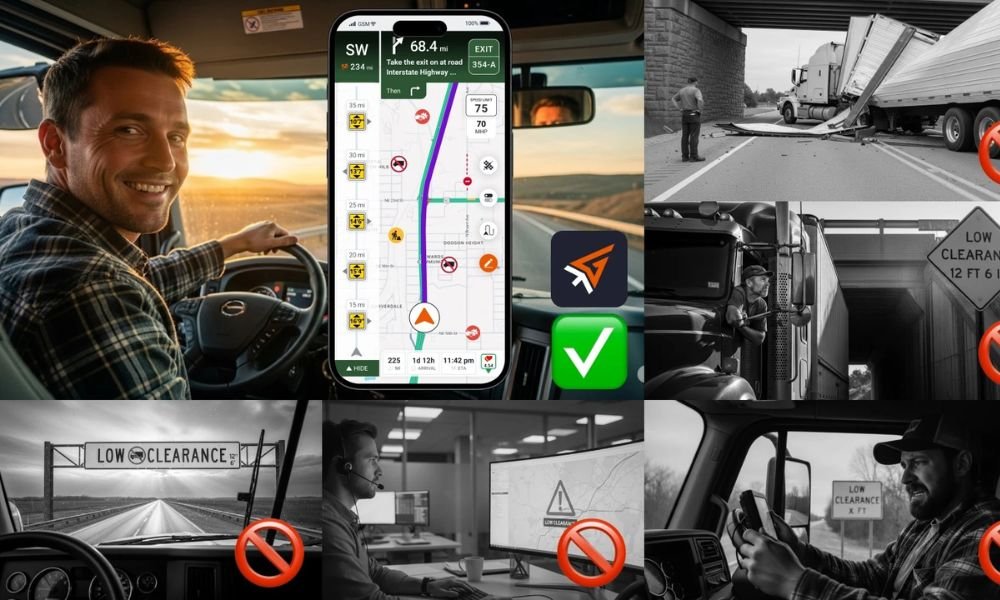
A lot of people trust their GPS without a second thought. Type in a destination, follow the voice, and you’ll get there. For everyday driving, that usually works just fine. But in commercial transport, especially trucking, that same approach can quietly create serious problems that cost businesses thousands in fines, repairs, and lost productivity.
What seems like a minor shortcut for a family car turns into a major liability when youre hauling freight across state lines. This fundamental disconnect between consumer navigation and commercial realities directly leads to why standard GPS fails trucks at critical moments.
Why Standard GPS Falls Short for Trucks
Consumer GPS units target passenger cars, prioritizing the fastest or shortest route with little regard for commercial vehicle needs. Truck drivers face real consequences from these gaps. Fines, safety risks, and delays pile up fast, impacting tight delivery windows and carrier ratings. These broad limitations naturally manifest in specific operational blind spots that turn routine trips hazardous.
Regular systems ignore key factors:
– Vehicle height and low bridge clearances that threaten structural damage
– Weight limits on roads and bridges leading to out-of-service orders
– Hazmat or cargo route restrictions mandated by federal guidelines
– State-specific trucking regulations that vary significantly by jurisdiction
– Restricted urban or residential truck zones blocking key access points
A route perfect for a sedan becomes dangerous for a loaded truck. These exact shortcomings set up the real risk behind low clearance routes, where innocent shortcuts become multimillion-dollar disasters.
The Real Risk Behind Low Clearance Routes
Building directly on GPS height blindness, low bridges cause hundreds of truck strikes across the US each year. Repair costs run into millions. Traffic grinds to a halt. Injuries occur. Most incidents trace back to routing failures rather than driver error. This pattern flows straight into weigh station challenges, where poor planning compounds the compliance burden.
Consider a typical scenario. A driver follows standard navigation under a low overpass. By the time the problem appears, escape proves impossible. Large trucks cannot easily turn around, particularly in urban construction zones. One recent carrier incident cost $85,000 in damages plus three days of downtime.
Low clearance bridge maps solve this systematically. These tools provide accurate infrastructure data and regular updates from DOT sources and driver networks. Drivers avoid trouble before it starts.
Prevention beats expensive fixes every time. Companies using clearance-aware routing report 70% fewer bridge claims. This foundation naturally extends to weigh station strategy, creating end-to-end route reliability.
Weigh Stations and the Compliance Factor
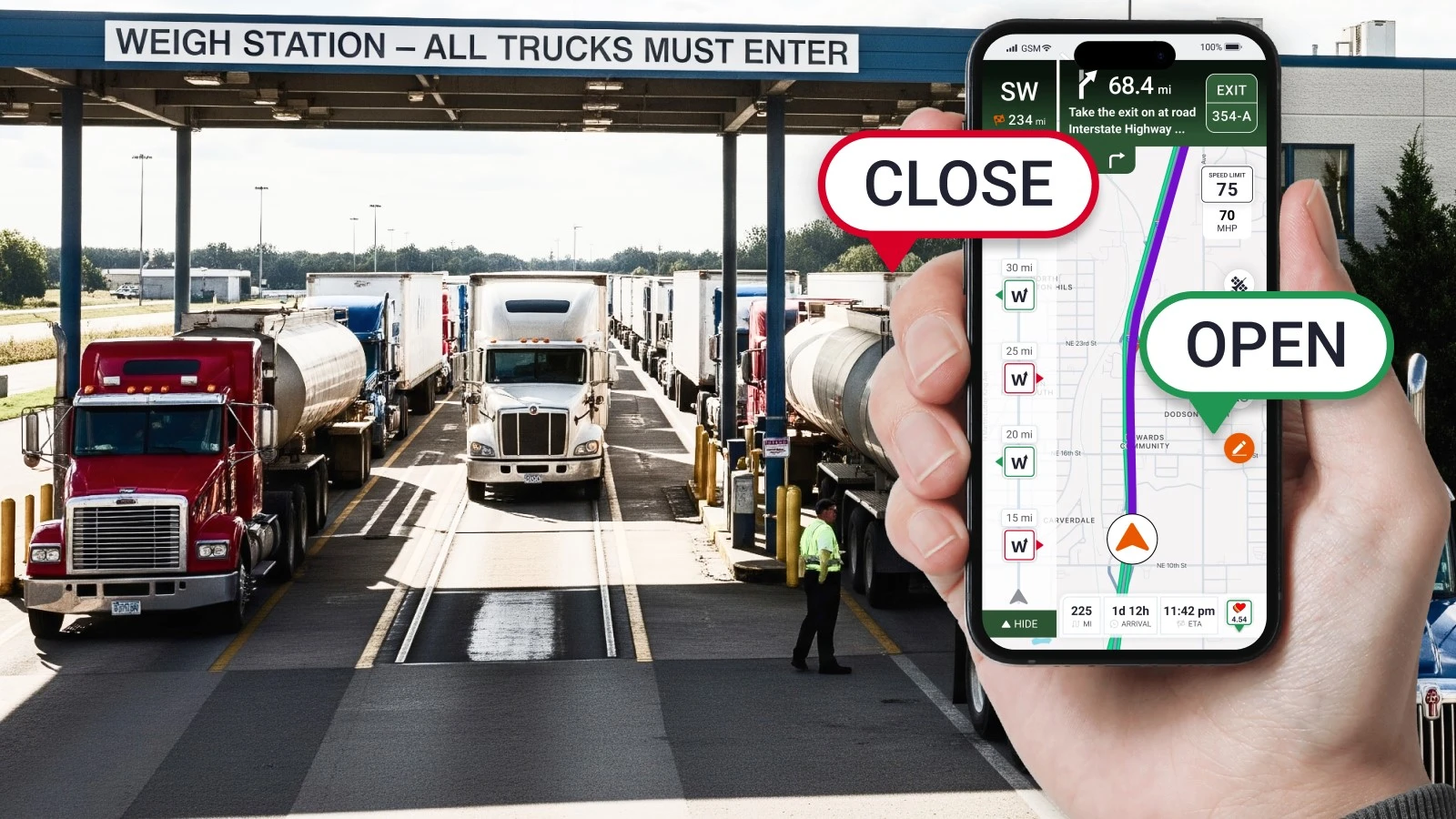
Clearance awareness connects seamlessly to weigh stations, where federal and state regulations add the next compliance layer. These facilities check vehicle weight, brakes, and safety equipment. Some trucks qualify for bypass programs like PrePass. Most require strategic planning to maintain schedules. Standard GPS ignores these locations entirely, creating surprise delays that cascade through operations.
DOT weigh station maps provide complete visibility. They reveal locations, status updates, and reviews. Planning becomes routine. Forward operators build buffer time into routes, ensuring compliance without sacrificing efficiency.
The benefits reinforce each operational phase:
– Predictable trip schedules build customer confidence
– Less fuel wasted on idle time improves margins directly
– Stronger regulatory compliance protects CSA scores
– Reduced stress on long hauls improves driver retention
Fleets adopting station mapping cut unplanned stops by 40% in the first quarter. This compliance reliability exposes the broader technology gap affecting entire trucking workflows.
The Gap Between Technology and Real-World Needs
Weigh station surprises stem from the core technology mismatch. GPS serves consumer cars well, but trucks operate under entirely different rules. Most apps apply identical logic regardless of vehicle type, creating systemic routing failures. Industry surveys confirm 62% of carriers faced violations from consumer GPS last year.
This fundamental gap demands integrated solutions. Commercial platforms combine GPS accuracy with trucking intelligence, bridging clearance mapping through compliance planning into one cohesive system. Forward fleets recognize this as their operational backbone.
Smarter Tools for a Changing Industry
Addressing the technology gap head-on, specialized software targets commercial drivers directly. These solutions build on basic GPS by adding truck-specific layers that connect every previous pain point. Drivers shift from fastest route thinking to what serves this vehicle and load best.
Modern platforms deliver comprehensive coverage:
– Custom routing based on truck dimensions and cargo type
– Live regulatory updates from federal and state sources
– Fuel optimization matched to operating authority
– Parking synced with Hours of Service rules
Carriers report 25% better on-time delivery after implementation. This integrated approach demonstrates exactly why better information transforms entire operations from dispatch to delivery.
Why Better Information Changes Everything
Specialized tools culminate in total operational transformation. Road infrastructure changes slowly. Bridges, stations, and rules persist from decades past. Real-time data access marks the true difference. Forward fleets leverage apps pulling live DOT updates and crowd-sourced alerts.
Quality information drives quality decisions across every section discussed. Avoidable bridge strikes drop. Weigh station delays disappear. Technology gaps close. Businesses save time, money, and reduce safety incidents simultaneously.
One poor route choice once risked everything from clearance crashes to compliance violations. Reliable data turns every risk into routine success.
The connection becomes clear: truck-specific navigation creates the reliable foundation modern trucking demands.