
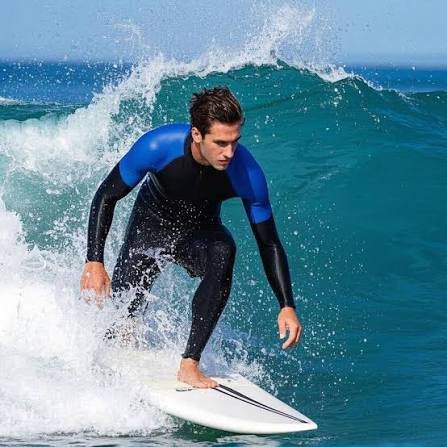
Whether you’re windsurfing across a windy bay, catching air on a kitesurfing session, paddling a SUP at sunrise, or learning the basics of wing foiling, one piece of equipment remains indispensable – the wetsuit. While many people think wetsuits are only necessary in cold water, their purpose goes far beyond keeping the body warm.
Modern wetsuits are designed to protect athletes from changing weather conditions, wind chill, UV radiation, and minor cuts or abrasions caused by boards, fins, or rocky shorelines. Even during summer, spending several hours exposed to wind and water can lower body temperature surprisingly quickly. A properly fitted wetsuit helps maintain comfort throughout the session, allowing riders to stay focused on enjoying the sport rather than thinking about the cold.
Another major advantage is confidence. Feeling warm and comfortable encourages beginners to spend more time on the water, while experienced riders can push their limits without worrying about fatigue caused by low temperatures. Whether you’re taking your first lesson or training for advanced tricks, the right wetsuit contributes directly to both performance and enjoyment.
Different sports, different wetsuit requirements
Although the same wetsuit can often be used across multiple disciplines, different water sports place different demands on equipment. Windsurfers spend long periods holding a sail, so flexibility around the shoulders and arms is especially important. Kitesurfers require unrestricted movement while controlling the kite and performing jumps, making lightweight and highly elastic neoprene a popular choice.
Wing foiling combines constant movement with changing body positions, so many riders look for wetsuits that balance warmth with exceptional mobility. Since wing foiling sessions often begin in lighter wind but continue into stronger conditions, thermal comfort becomes particularly valuable.
Stand-up paddleboarding has slightly different requirements. During recreational paddling in warm weather, many paddlers choose thinner wetsuits or shorty models that offer protection without causing overheating. However, those paddling during spring, autumn, or winter often rely on thicker full-length wetsuits to extend their season safely.
Thickness is one of the most important considerations. A 2/2 mm wetsuit may be perfect for warm summer conditions, while 4/3 mm or 5/4 mm models are commonly chosen for cooler climates and early or late-season sessions. The ideal choice depends on water temperature, air temperature, wind strength, and the duration of time spent on the water.
Today’s wetsuits are also packed with innovative features. Thermal linings improve insulation, sealed seams reduce water entry, and advanced neoprene materials provide outstanding stretch while maintaining durability. Many premium models are specifically engineered for wind sports, combining warmth with unrestricted freedom of movement.
Choosing the right wetsuit for year-round adventures
Investing in a quality wetsuit means investing in more time on the water. Riders who stay warm remain comfortable for longer sessions, recover more quickly between outings, and are generally able to practice more consistently throughout the year.
Fit is just as important as thickness. A wetsuit should fit closely to the body without restricting movement. Excess space allows cold water to circulate inside the suit, reducing its insulating properties, while an overly tight wetsuit may limit mobility and become uncomfortable after extended use. Finding the correct balance is essential for achieving the best performance.
Another consideration is the type of closure. Back-zip wetsuits are easy to put on and remain popular among beginners, while chest-zip and zip-free designs provide better flexibility and reduce water flushing. Each system has its own advantages, and the best option depends on personal preference and the intended use.
As sustainability becomes increasingly important within the water sports industry, many manufacturers are replacing traditional petroleum-based neoprene with more environmentally friendly alternatives. Recycled fabrics, solvent-free glues, and innovative natural materials are becoming more common, allowing riders to make more sustainable choices without sacrificing comfort or durability.
One piece of equipment that benefits every water sport
Few pieces of equipment are as versatile as a quality wetsuit. The same suit can accompany you through windsurfing sessions, kitesurfing adventures, SUP excursions, wing foil training, kayaking trips, or countless other activities on the water. It provides warmth, protection, flexibility, and confidence regardless of the discipline.
As equipment continues to evolve, modern wetsuits become lighter, warmer, and more comfortable every season. Choosing the right model allows you to spend more days on the water, explore new conditions, and enjoy your favorite sports throughout much more of the year. For anyone passionate about life on the water, a good wetsuit is not simply another accessory – it is one of the smartest investments you can make.
