
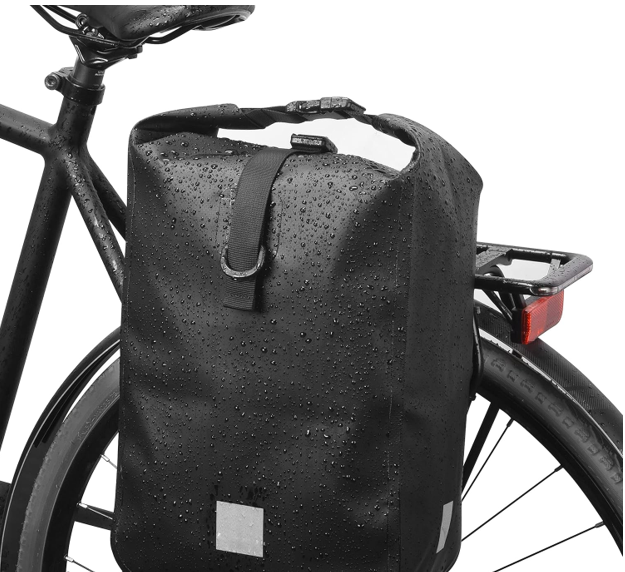
Cycling isn’t just a way to travel from one place to another. Many people ride a cycle as a weekend hobby or for a long-distance adventure. When you start carrying extra items such as clothes, tools, or camping gear, your bicycle must handle more weight.
If your luggage setup is not right, your ride can quickly become uncomfortable or stressful. You may feel your bike wobble, struggle on hills, or even lose balance on sharp turns. Therefore, choosing the right bicycle luggage is not something you should rush. A small mistake at the beginning can lead to bigger problems over time. The following are the key mistakes you must avoid when opting for bicycle luggage.
Ignoring Compatibility
One of the biggest mistakes you can make is buying luggage without checking if it fits your bicycle. Many cyclists see a product online, like the size or design, and order it. Later, they realise it does not match their bike’s rack, frame, or wheel size. It leads to unstable fitting or damage to the bike.
The solution is simple. You should always check compatibility before buying. You must look at your bike’s rear rack type and weight limit. For example, if your bike has a sturdy rear rack, a bicycle rack top bag is a practical option. It sits securely on the rack and keeps your load balanced. This type of bag is designed specifically to fit on top of a rack, which makes it more stable and safer.
Choosing Style Over Practicality
It is easy to be attracted by stylish designs and modern looks. However, when it comes to bicycle luggage, appearance should not be your main priority. A bag may look smart and fashionable. However, if it does not have enough compartments or proper attachment systems, it will not serve you well.
Instead of focusing only on design, you should think about how you will use the bag. You must ask yourself what you usually carry. Practical features such as waterproof material, reflective strips, and multiple pockets are far more important than colour or shape. When you prioritise functionality, it ensures your comfort and safety throughout the ride.
Overlooking Weight Capacity
Another common mistake is ignoring how much weight your luggage and rack can carry. Every rack and bag has a maximum weight limit. If you exceed it, the rack may bend, or the bag may tear. Moreover, your bike’s handling may also become unstable. It can be dangerous, especially on busy roads.
You should always check the manufacturer’s weight recommendation. Add up the weight of the items you plan to carry and make sure it stays within the safe limit. It is better to distribute weight evenly rather than overload one side. When you keep your load balanced, it will help you ride smoothly and brake safely.
Ignoring Safety Features
Many cyclists forget to think about visibility and safety when choosing luggage. If your bag blocks your rear light or does not have reflective details, drivers may not see you clearly at night. It increases the risk of accidents.
You should always choose luggage with reflective strips or panels. Make sure it does not cover your rear light. Some bags even include loops to attach extra lights. When you think about safety features in advance, it helps protect yourself and make your rides safer.
Poor Installation and Loose Fitting
Even the best luggage can become unsafe if it is not installed correctly. Loose straps, weak clips, or poorly adjusted hooks can cause the bag to move while riding. This movement affects balance and may distract you. In serious cases, the bag can fall off completely.
You should take time to read the installation instructions carefully. You must tighten all straps and double-check the fittings before every ride. If the bag moves when you shake it gently, it is not secure enough. Proper installation ensures stability and gives you peace of mind while cycling.
Not Considering Weather Protection
The weather can change quickly, especially in the UK. If your bicycle luggage is not waterproof, your belongings can get wet within minutes. Wet clothes and damaged electronics can turn a simple ride into a frustrating experience. Before buying, you should check whether the bag is made from waterproof material or comes with a rain cover.
Sealed seams and strong zips also help keep water out. Even if you mostly ride in good weather, it is always a smart move to be prepared. Good weather protection means you can ride confidently without worrying about sudden rain or strong winds.
Final Thoughts
Choosing bicycle luggage is not just about adding storage space. It directly affects your comfort, balance, and safety on the road. By avoiding the aforementioned common mistakes, you will make informed decisions. It ultimately makes your cycling experience smoother and more enjoyable.