
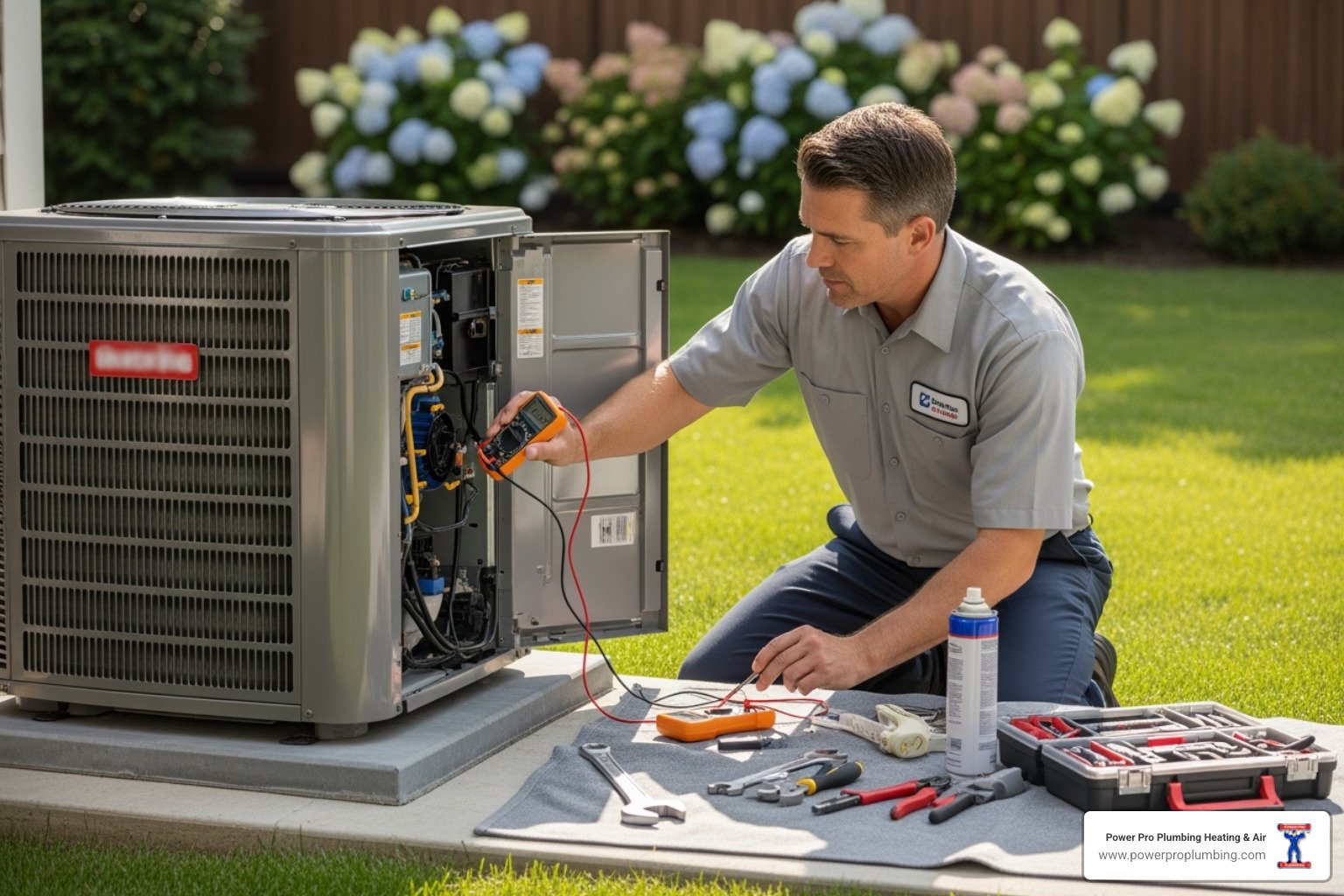
Your HVAC system is the backbone of home comfort, regulating temperature, humidity, and air quality year-round. However, weather conditions ranging from scorching summer heat to freezing winter temperatures can significantly impact its performance, efficiency, and lifespan. Homeowners who understand how weather affects HVAC systems are better equipped to maintain them, prevent costly repairs, and ensure consistent indoor comfort no matter the season.
This guide explores the ways different weather conditions influence heating, cooling, and ventilation systems and provides practical steps homeowners can take to protect their HVAC investment.
How Extreme Temperatures Strain Your HVAC System
During hot summers or cold winters, HVAC systems often operate near their maximum capacity. Prolonged exposure to extreme temperatures places stress on components such as compressors, condensers, heat exchangers, and fans.
In summer, air conditioners work harder to remove heat and maintain cool indoor temperatures. High outdoor temperatures can reduce system efficiency, increase energy consumption, and lead to premature wear. Conversely, in winter, furnaces and heat pumps struggle to maintain warmth during extreme cold, which can accelerate component fatigue and increase the risk of breakdowns. Regular maintenance and system monitoring are crucial for minimizing weather-related stress and ensuring reliable performance.
Humidity and Its Impact on HVAC Efficiency
Humidity levels fluctuate with changing weather, and both high and low humidity can affect HVAC operation. High humidity makes the indoor environment feel warmer in summer, prompting air conditioners to work harder to remove moisture from the air. Overworked systems consume more energy and are prone to mechanical failures if not properly maintained.
Low humidity in winter can dry out indoor air, causing discomfort and static electricity, while also stressing furnaces. Improper humidity control can also affect the structural integrity of your home by drying out wood or promoting mold growth if moisture levels are not balanced. Installing a whole-home humidifier or dehumidifier, alongside proper system maintenance, can help manage these seasonal variations.
Seasonal Wear and Tear on HVAC Components
Weather fluctuations accelerate wear on critical HVAC components. Outdoor units, exposed to wind, rain, snow, ice, and debris, may experience corrosion, frozen coils, or clogged drains. Inside the home, ductwork, thermostats, and filters can degrade due to temperature swings and dust accumulation.
Proactive inspection and seasonal maintenance allow homeowners to identify potential problems before they escalate. Cleaning coils, replacing filters, lubricating motors, and checking for duct leaks can extend system lifespan and prevent emergency repairs, especially when weather conditions change rapidly.
Power Surges and Storm Damage
Severe weather events such as thunderstorms, lightning, and ice storms can cause electrical surges that damage HVAC systems. Power outages can also affect heat pumps and smart thermostats, causing errors or temporary failures. Homeowners can mitigate these risks by installing surge protectors, unplugging sensitive equipment during storms, and scheduling professional inspections after major weather events.
Neglecting storm-related damage can result in reduced efficiency, short cycling, or complete system failure, leading to costly repairs or replacement during peak heating or cooling seasons.
Preparing Your HVAC System for Seasonal Changes
Proactive seasonal preparation is key to reducing the impact of weather on your HVAC system. Homeowners can implement several strategies:
- Schedule Professional Maintenance: Routine inspections before summer and winter ensure that all components function properly.
- Replace Filters Regularly: Clean filters improve airflow, efficiency, and indoor air quality.
- Clear Outdoor Units: Remove debris, snow, and ice to prevent airflow restrictions.
- Check Thermostat Settings: Ensure programmable thermostats are calibrated for seasonal needs.
- Inspect Ductwork: Seal leaks to maintain efficiency and consistent temperature distribution.
These preventive measures reduce strain on your system, enhance energy efficiency, and prevent sudden failures during extreme weather conditions.
Grapids Home Services: Keeping Your HVAC System Weather-Ready
When weather challenges your HVAC system, having a trusted professional on call is essential. Grapids Home Services offers comprehensive maintenance, repair, and emergency services designed to keep systems operating efficiently under any weather condition. Their licensed technicians are trained to handle seasonal inspections, component repairs, and system optimizations that minimize weather-related stress on HVAC equipment.
Whether preparing for summer heat or winter cold, Grapids Home Services provides homeowners with detailed assessments, preventive solutions, and emergency support. By addressing potential issues proactively, they help extend system lifespan, improve energy efficiency, and maintain indoor comfort regardless of outdoor conditions.
From routine tune-ups to urgent repairs, Grapids Home Services ensures that your HVAC system remains resilient against seasonal challenges. Their commitment to thorough diagnostics, quality workmanship, and timely service allows homeowners to enjoy consistent comfort without worrying about unexpected breakdowns. Partnering with Grapids Home Services guarantees that your system is prepared for whatever Mother Nature throws at it.
Frequently Asked Questions (FAQ)
How does extreme heat affect my air conditioner?
High temperatures force air conditioners to work harder to remove indoor heat, increasing energy consumption and accelerating component wear. Regular maintenance helps systems handle peak loads efficiently.
Can cold weather damage my heat pump?
Yes, very low temperatures can reduce efficiency and strain components like compressors. Professional maintenance ensures optimal performance even in extreme cold.
Should I adjust my thermostat based on seasonal changes?
Yes. Programmable thermostats should be set for summer cooling and winter heating needs to reduce energy costs and prevent overworking your system.
How often should I schedule seasonal HVAC maintenance?
Twice a year before summer and winter is recommended for inspections, cleaning, and adjustments to maintain efficiency and prevent weather-related breakdowns.
Can humidity levels affect HVAC performance?
Absolutely. High humidity makes cooling harder in summer, while low humidity in winter can cause discomfort. Humidity control systems help maintain balance and efficiency.
What should I do after a storm damages my HVAC system?
Turn off the system if safety is a concern, inspect for visible damage, and contact a licensed professional like Grapids Home Services for a thorough evaluation and repairs.
Ensure Year-Round Comfort with Weather-Ready HVAC Systems
Weather impacts HVAC systems in numerous ways, from extreme temperatures and fluctuating humidity to storms and power surges. Homeowners who anticipate these challenges and take proactive measures for routine maintenance, system inspections, and preventive adjustments can protect their HVAC investment, reduce energy costs, and maintain consistent indoor comfort throughout the year.
Relying on experienced professionals like Grapids Home Services ensures that heating and cooling systems remain reliable regardless of seasonal conditions. Their expertise in system optimization, emergency repair, and preventive care empowers homeowners to face any weather confidently, keeping their homes safe, comfortable, and energy-efficient year-round.
Business Name: Grapids Home Services
Address: 3325 3 Mile Rd NW, Grand Rapids, MI 49534
Phone Number: (616) 210-3456
