
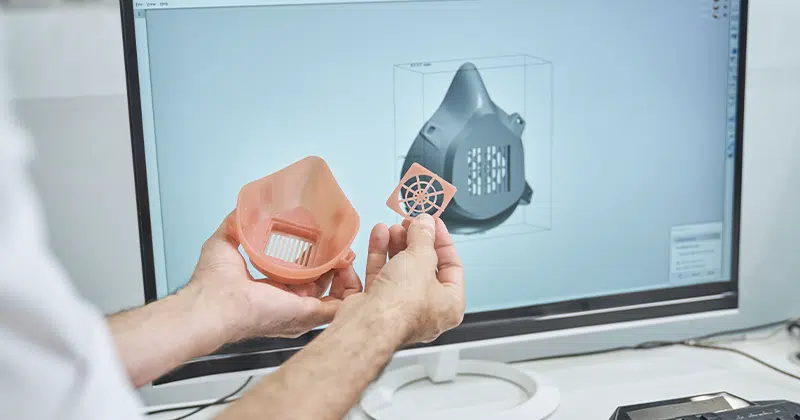
In today’s fast-paced technology landscape, companies developing batteries for robotics, medical devices, aerospace, and industrial equipment face immense pressure to deliver reliable and efficient energy solutions quickly. Traditional battery design cycles can be lengthy, requiring extensive testing, iteration, and validation to meet performance and safety standards. This is where rapid prototyping comes into play, revolutionizing how battery packs are designed, tested, and manufactured.
What is Rapid Prototyping in Battery Design?
Rapid prototyping involves creating functional battery prototypes quickly, allowing engineers to test design concepts and validate performance early in the development process. Unlike conventional approaches, which often require months to produce and evaluate battery packs, rapid prototyping leverages advanced simulation tools, modular design, and flexible assembly techniques. This method accelerates development while reducing risks associated with product failure or non-compliance with regulatory standards.
Benefits of Rapid Prototyping
- Faster Development Cycles: By enabling quick iterations, designers can test multiple configurations and chemistries, such as Li‑ion, LiPo, or LiFePO4, to determine the most efficient solution for specific applications.
- Cost Efficiency: Early identification of design flaws reduces the need for expensive large-scale production runs with errors. Rapid prototypes allow for adjustments without significant financial impact.
- Enhanced Safety and Reliability: Integrating BMS (Battery Management System) electronics into prototypes ensures that safety protocols, voltage regulation, and thermal management are tested thoroughly before full-scale manufacturing. This minimizes risks of overheating, overcharging, or unexpected failures.
- Customization for OEM Applications: Rapid prototyping supports tailored energy solutions for various sectors. For instance, robotics and medical devices often require compact, high-performance batteries that meet stringent regulatory standards. Engineers can create prototypes that precisely match these requirements.
Techniques Used in Rapid Battery Prototyping
- Modular Design: Engineers build battery packs with interchangeable modules, allowing quick replacement and testing of individual cells or circuits without redesigning the entire pack.
- 3D Printing and Additive Manufacturing: These technologies enable fast fabrication of battery housings, connectors, and components, reducing dependency on traditional tooling methods.
- Simulation Software: Advanced software tools simulate thermal behavior, capacity, and lifecycle performance, allowing designers to optimize configurations before physical assembly.
Impact on Product Development
Rapid prototyping not only speeds up the design process but also fosters innovation. Engineers can experiment with new chemistries, cell arrangements, or BMS strategies without disrupting production timelines. Companies like TtekAI, specializing in custom battery packs and battery chargers, can deliver highly engineered energy solutions to demanding industries faster and more reliably.
Moreover, early-stage prototypes allow collaboration between design, manufacturing, and testing teams, ensuring that all aspects of the battery system—from energy density to safety standards—are validated before market launch. This integrated approach enhances product quality and strengthens customer trust.
Conclusion
In an era where efficiency, reliability, and speed are paramount, rapid prototyping has become essential for battery design. By enabling faster iterations, cost-effective testing, and safe integration of BMS electronics, companies can accelerate innovation and deliver tailored energy solutions that meet the evolving demands of robotics, aerospace, medical devices, and industrial sectors. Leveraging rapid prototyping, manufacturers like TtekAI continue to redefine the possibilities in advanced battery and charger manufacturing and design.
