
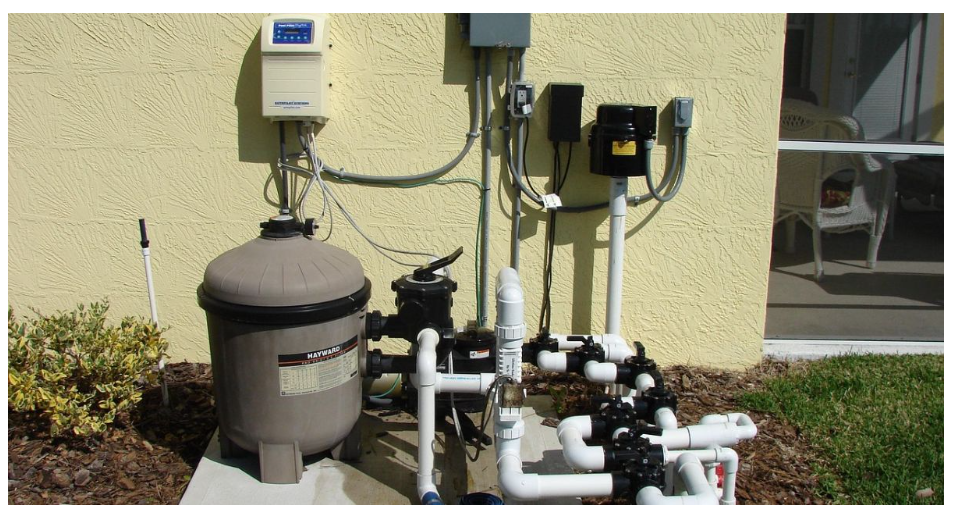
Maintenance on pumps is a necessary procedure that helps to maintain the long-term performance, efficiency and reliability of industrial and commercial pumping systems. Pump servicing, pump maintenance, and pump repair services can be used to prevent breakdowns, minimise downtimes and increase the lifespan of equipment.
Pump servicing in the new generation of engineering systems is no longer merely a matter of correcting errors but also preventive maintenance, monitoring and optimising performance. The correct servicing guarantees that pumps will keep working in close proximity to their Best Efficiency Point (BEP), which will minimise energy use and mechanical loads.
Proper pump service is important in preventing failures such as leaks, cavitation, bearing wear, vibrations, and overheating. With the help of the developed service plan, businesses can increase system reliability and reduce operational costs to a considerable extent.
What is Pump Servicing?
Pump servicing can be defined as the regular check, cleaning, testing, adjustment and repair of pumping systems. In it, mechanical and hydraulic parts are inspected to ensure smooth operation and adherence to specifications.
Pump services are common in:
- Water supply systems
- Fluid transfer systems in industry.
- HVAC systems
- Agricultural irrigation systems
- Manufacturing plants
Importance of Pump Servicing in Industrial Systems
Pump servicing is essential since pumps are used under a continuous load and wear conditions. Performance degradation is bound to occur without regular servicing.
Key benefits include:
- Increased pump efficiency
- Reduced unexpected breakdowns
- Improved operational safety
- Reduced repair and replacement expenses.
- Extended equipment lifespan
According to industry research, proactive servicing has a strong impact on emergency failures and on production losses due to pump shutdowns.
Types of Pump Servicing
The necessary servicing of pumps is usually split into three broad categories:
Corrective Pump Servicing
Corrective servicing is done when a failure has taken place. It entails fixing the leaks, replacement of damaged parts and restoration of the pump.
Preventive Pump Servicing
Preventive servicing is scheduled at regular intervals (daily, monthly, yearly). It includes inspection, lubrication, seal replacement, and performance checks to avoid failure.
Predictive Pump Servicing
Condition monitoring techniques are employed in predictive servicing to detect early warning of failure, including vibration analysis and temperature monitoring.
Key Components Checked During Pump Servicing
The professional pump servicing procedure consists of thorough checking of the most important parts:
- Mechanical seals and packing glands.
- Bearings and lubrication systems.
- Impellers and casing condition.
- Shaft alignment and wear.
- O-rings, valves, and gaskets.
- Motor performance and current draw.
These elements have a direct influence on the efficiency and reliability of the pump. Any slight wear can have significant operational problems when overlooked.
Pump Servicing Process Step-by-Step
The process of servicing the structured pump is accurate and safe:
1. Initial Inspection
Visual leak inspection, corrosion inspection, vibration inspection, and abnormal noise inspection.
2. Performance Testing
Measuring flow rate, pressure difference, and energy consumption.
3. Dismantling & Cleaning
Interior components are washed with debris, scaling and deposited sediment.
4. Component Replacement
Severe components like seals, bearings and gaskets are changed.
5. Reassembly & Alignment
The pump is put back together and aligned without causing mechanical stress.
6. Final Testing
The operational testing is provided so that the pump can be operated efficiently and safely.
Common Pump Problems Requiring Servicing
Pump servicing may have to be done because of the following problems:
- Cavitation damage
- Bearing overheating
- Seal leakage
- Reduced flow rate
- Excessive vibration
- Motor tripping or failure.
These problems normally occur over time and can be avoided by regular servicing.
Pump Maintenance vs Pump Servicing
Though the terms are used interchangeably, it has a technical difference:
- Pump Maintenance: Routine maintenance including lubrication, inspection and cleaning.
- Pump Repair: Technical repair, refurbishments, and performance restoration.
They both are critical to long-term pump reliability.
Preventive Pump Servicing Techniques
Preventive maintenance helps keep pumps in good condition. Common techniques include:
- Lubrication of bearings periodically.
- Monitoring vibration levels
- Checking temperature rise
- Checking seals for leakages.
- Cleaning inlet filters
- Monitoring pressure fluctuations
The practices assist in the early warning signs before failure.
Pump Servicing in Modern Industrial Applications
In modern pump servicing, there is the incorporation of modern diagnostic methods, which include:
- Overheating detection: Thermal imaging.
- Imbalance detection through vibration analysis.
- Flow monitoring: efficiency assessment.
- Digital condition monitoring systems
Through these technologies, engineers are able to do predictive maintenance and this minimises risk and enhances system reliability.
Challenges in Pump Servicing
Although it is vital, pump servicing may encounter such challenges as:
- Delayed maintenance scheduling
- Absence of technical inspection equipment.
- Poor installation alignment
- Contaminated fluid systems
- Inadequate lubrication practices
Solving these difficulties improves pump performance and reduces the failure rate.
Conclusion: The Importance of Pump Servicing
All forms of pumping systems require pump servicing as an important aspect of maintaining efficiency, reliability and safety. Industrial equipment, commercial water systems, and frequent servicing guarantee maximum performance and reduce long-term operating costs.
The key to maximising equipment life and operational stability lies in a well-thought-out pump servicing plan based on preventive maintenance, corrective repair, and predictive monitoring.