
Substance use among young people remains a serious public health challenge in Australia. The latest national Alcohol and Other Drug Treatment Services report shows that in 2023–24, publicly funded agencies delivered around 241,000 treatment episodes to nearly 132,000 people aged 10 and over. Half of those receiving treatment were aged between 20 and 39, and counselling remained the most common form of support.
Behind these numbers are young people whose lives have been disrupted by alcohol and other drugs, often alongside trauma, mental health challenges, disengagement from school, or unstable housing. Recovery is rarely a single appointment or short program. It requires time, structure, and consistent support.
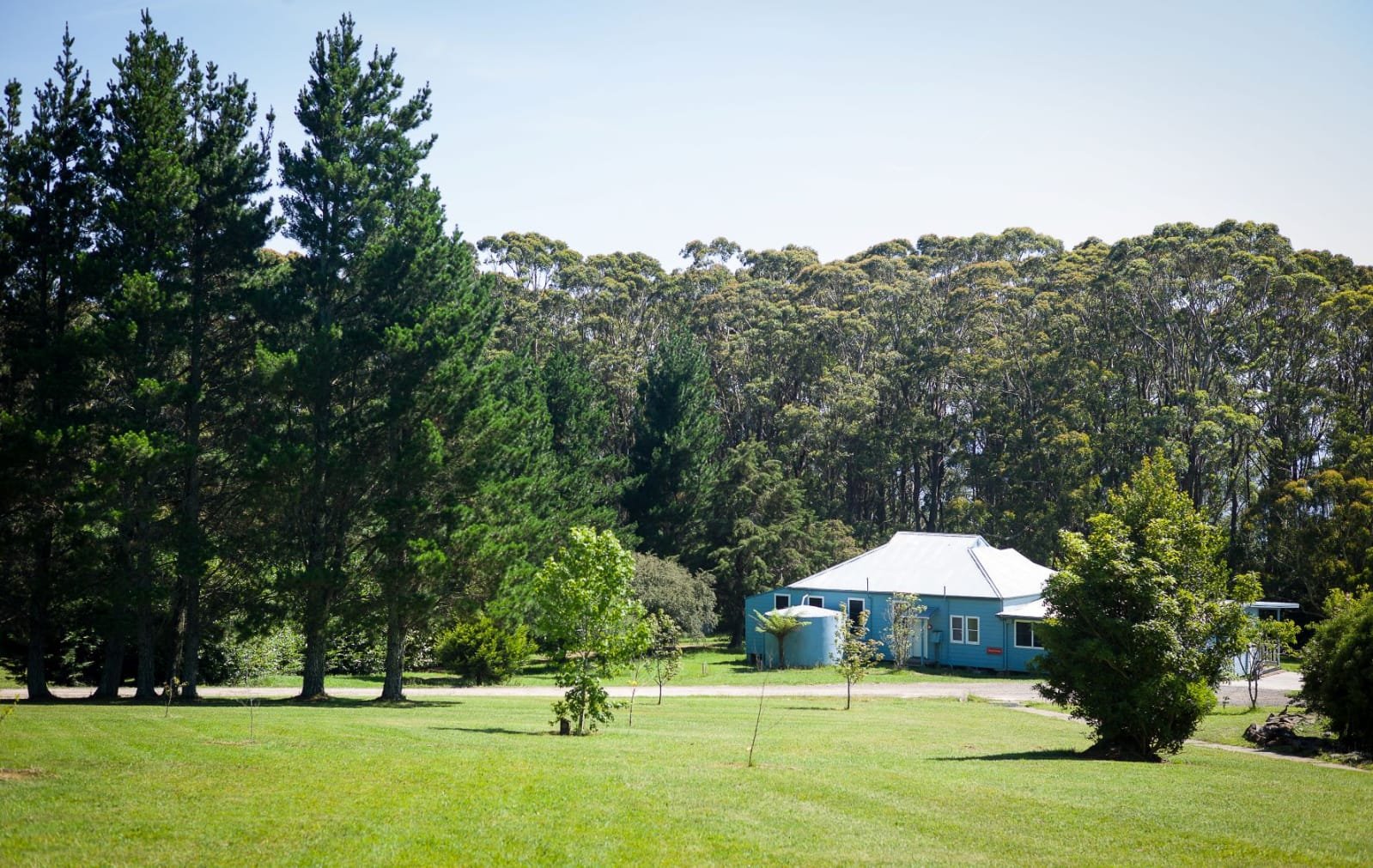
This is where triple care farm rehab plays a different role. The program provides a long-term, residential model designed specifically for young people aged 16 to 24 who are experiencing substance dependence.
Why Young People Need More Than Short-term Treatment
National data confirms that many people require more than one episode of care. In 2023–24, clients received an average of 1.8 treatment episodes each. While counselling accounted for 33 percent of treatment types, rehabilitation, withdrawal management and case management services were also critical parts of the system.
Dependence is widely recognised as a chronic condition, similar in many ways to asthma or diabetes. For some, early intervention and counselling may be enough. For others, particularly young people with complex needs, longer-term rehabilitation is necessary to break entrenched patterns.
Adolescence and early adulthood are periods of significant brain development, identity formation and social transition. When substance use becomes central during this time, it can interrupt education, employment and relationships. Short, fragmented services may not be sufficient to rebuild those foundations.
What Makes A Residential Rehab Model Different
A residential program removes young people from the environments that may be reinforcing substance use. Instead of returning home each evening to the same pressures, they enter a structured setting that supports change across multiple areas of life.
The triple care farm rehab model integrates three essential components: therapeutic support, education and life skills development.
Therapeutically, young people engage in counselling and structured programs that address substance use, trauma and underlying mental health concerns. As national data shows, counselling remains the most common and effective foundation of treatment in Australia. In a residential setting, this counselling is consistent and embedded in daily life rather than limited to weekly appointments.
Education is equally important. Many participants have disengaged from school or struggled academically. Reintroducing education in a supportive environment rebuilds confidence and provides pathways beyond the program. Education is not treated as an add-on, but as a core part of recovery.
Life skills development prepares young people for independence. This includes daily routines, responsibility, teamwork and practical skills that help them transition back into the community with stability.
Addressing the Broader Drivers of Addiction
The Alcohol and Other Drug Treatment Services report highlights the growing importance of support and case management, which now accounts for 16 percent of treatment episodes nationally. This reflects recognition that recovery involves more than addressing substance use alone.
Young people often face overlapping challenges such as housing insecurity, family conflict, mental health conditions and limited employment opportunities. Without coordinated support, these pressures can trigger relapse.
Residential rehabilitation allows professionals to address these broader factors simultaneously. Case management can begin during the program rather than after discharge. Planning for housing, employment and continued counselling happens before a young person leaves, reducing the risk of sudden disruption.
Building Connection and Accountability
Isolation is a common feature of addiction. Residential rehabilitation introduces peer support and structured group activities that foster connection. Shared routines create accountability. Community living builds social skills that may have been lost or never fully developed.
Young people are not treated as problems to be fixed, but as individuals capable of growth when given structure and respect. This strength-based approach supports long-term behavioural change rather than short-term compliance.
A Long-term View of Recovery
National figures show that treatment episodes have increased by 41 percent over the past decade. This growth reflects both demand and a shift in how services are delivered. More flexible and telehealth-based models expanded during the COVID-19 period, particularly for counselling.
However, for some young people, remote or short-term interventions are not enough. Intensive, face-to-face rehabilitation remains essential for those with higher levels of dependence or complex circumstances.
Recovery is rarely linear. A structured residential setting provides time for setbacks, reflection and adjustment without immediate exposure to high-risk environments. It also allows therapeutic relationships to develop over months rather than weeks.
Why Comprehensive Rehabilitation Matters
The goal of rehabilitation is not simply abstinence. It is stability, purpose and reintegration into community life.
When treatment focuses only on detoxification or brief counselling, young people may leave without the skills or support networks needed to maintain change. Residential programs offer continuity. Therapeutic work, education and daily living skills reinforce each other, creating a stronger foundation.
For families, structured rehabilitation provides reassurance that their child is supported in a safe environment. For the broader community, it reduces the long-term social and economic impact of untreated addiction.
Moving from Crisis to Possibility
Substance use treatment in Australia continues to evolve, but the need for comprehensive, youth-focused rehabilitation remains clear. National data confirms that thousands of young people seek help each year. Many require more than a single intervention.
By combining therapeutic care, education and life skills development within a structured residential environment, triple care farm rehab offers a pathway from crisis toward stability and renewed direction.
Overcoming addiction is not a quick fix. It requires time, coordinated support and a setting designed specifically for young people. With the right structure and sustained care, recovery becomes not just possible, but achievable.