
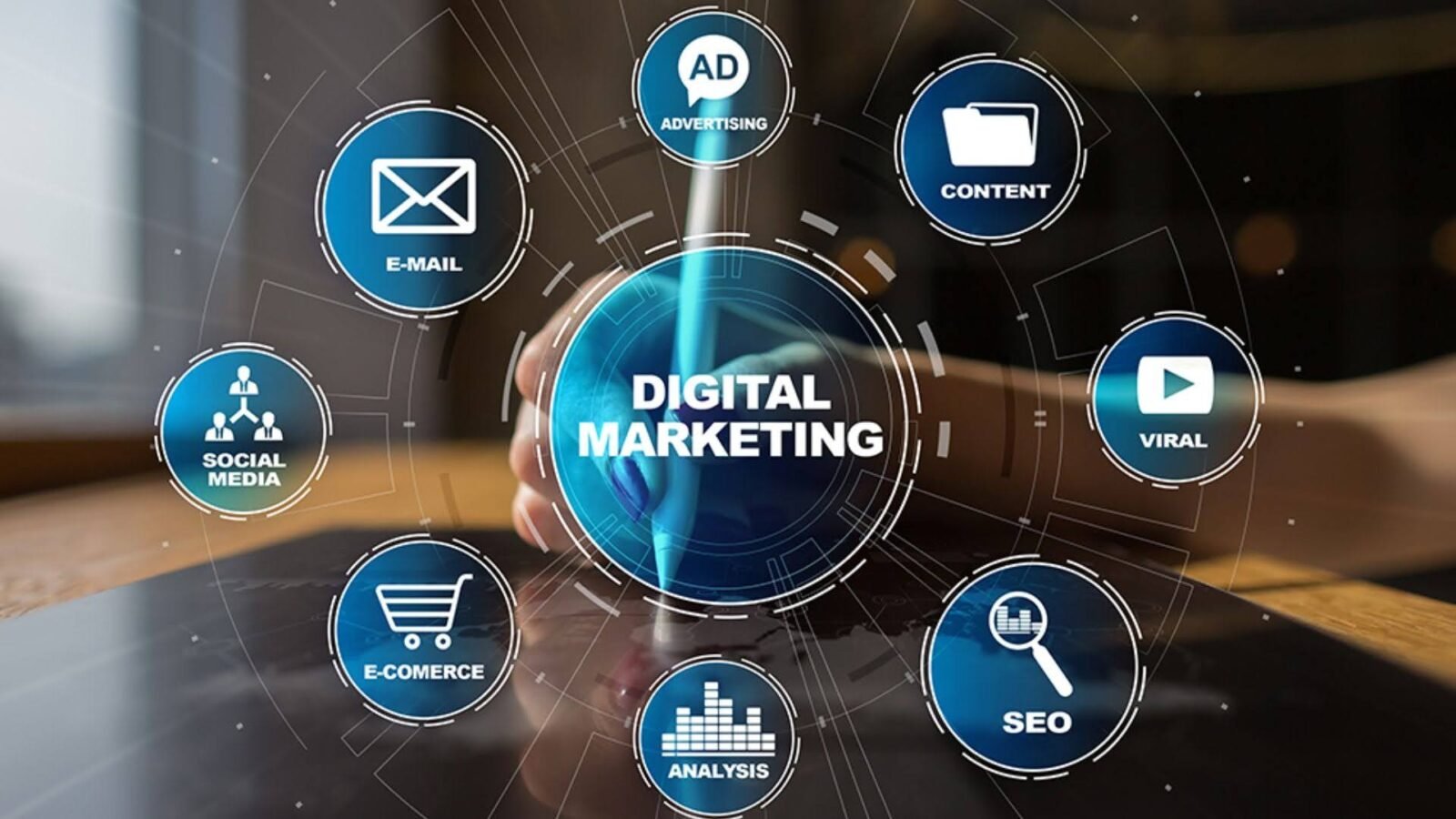
Advertising today looks very different from what it did ten years ago. In the past, businesses relied heavily on newspapers, billboards, radio spots, and television commercials to reach customers. While those channels still exist, modern advertising has shifted to digital platforms that allow brands to communicate more directly, measure results more accurately, and adapt campaigns in real time.
Understanding how modern advertising works is essential for businesses. Whether you run a startup, a small local store, or an expanding online brand, learning the mechanics of modern advertising can determine how quickly you grow and how effectively you compete in your market. As advertising continues to evolve, staying up to date with these changes is key to remaining competitive.
The Evolution of Advertising in the Digital Age
As digital technology advanced, modern advertising began to transform rapidly. Businesses discovered that digital platforms offered something traditional media could not: precise targeting. Instead of broadcasting messages to everyone and hoping the right people would see them, companies could select exactly who they wanted to reach.
For example, an online clothing brand can show ads to people who have shown interest in fashion, visited clothing websites, or searched for related products. This level of targeting reduces wasted spending and increases the chances of reaching genuinely interested customers.
At the same time, advertising became more measurable. In traditional advertising, it was often difficult to know whether a billboard or television ad generated sales. Today, businesses can track clicks, impressions, conversions, and engagement levels in real time. This feedback loop allows companies to refine their strategies continuously.
Understanding the Customer Journey
The first stage is awareness. At this point, the customer may not know your brand exists. Advertising focuses on visibility—introducing the brand through engaging visuals, videos, or storytelling content. The goal is to create familiarity and spark curiosity.
After awareness comes consideration. Now that people recognize the brand, they research and compare options. They may read reviews, explore websites, or watch product demonstrations. Advertising during this stage focuses on education and trust-building. Helpful information, testimonials, and product explanations can influence how customers perceive the brand.
The final stage is conversion, where customers take action. This might involve making a purchase, signing up for a service, or contacting the business. Clear messaging, strong calls to action, and well-designed landing pages are crucial. Even small improvements in messaging or design can significantly increase successful conversions.
The Power of Data in Modern Advertising
Data is at the heart of nearly every successful advertising campaign today. Businesses rely on data to understand who their customers are, what they want, and how they behave online.
Audience data includes demographics such as age, location, and interests. This helps advertisers shape messages that resonate with specific groups. Behavioral data goes further, analyzing browsing habits, search activity, and previous purchases. With this information, advertisers can deliver highly relevant messages that feel personalized rather than random.
Performance data is equally important. Metrics such as click-through rates, conversion rates, and return on advertising spend show whether campaigns are working. When results fall short, adjustments can be made quickly. When results improve, successful strategies can be expanded.
This constant process of testing and learning is what makes modern advertising dynamic and effective.
The Role of Creativity in Advertising Success
While data drives targeting and measurement, creativity remains the heart of advertising. Without compelling visuals and engaging messages, even carefully targeted campaigns may fail to capture attention.
Modern consumers see hundreds of advertisements daily. To stand out, brands must create content that is memorable, visually appealing, and emotionally engaging. This often involves storytelling—showing how a product solves a problem or improves daily life.
Color schemes, typography, imagery, and branding consistency play important roles in shaping how audiences perceive a brand. Strong visual identity builds recognition, making it easier for customers to remember and trust the business.
Emotion plays a powerful role in advertising. Ads that create excitement, curiosity, or trust are more likely to leave lasting impressions. When customers feel connected to a brand, they are more likely to engage and return.
Modern Advertising Channels and Their Impact
Today’s businesses have access to a wide range of advertising channels, each offering unique advantages. Social media platforms have become central to modern advertising because of their massive user bases and detailed targeting options. These platforms allow brands to engage audiences through visuals, short videos, and interactive content.
Search engine advertising is another powerful channel. Unlike general advertising, search ads target people actively looking for specific solutions. When someone searches for a product or service, they already have intent, making them more likely to take action after seeing a relevant advertisement.
Display advertising expands brand visibility across websites and applications. These visual ads often appear alongside online content and remind previous visitors about products they viewed. This strategy, known as retargeting, helps keep brands visible to potential customers who may still be considering a purchase.
Video advertising is growing in popularity for its ability to convey complex ideas quickly. A short video can demonstrate product features, tell stories, and build emotional connections in ways static images cannot.
Influencer marketing plays a major role in modern advertising. Instead of traditional advertisements, brands collaborate with individuals who have loyal audiences. When influencers share their experiences with products, followers often view these recommendations as more authentic than standard ads.
Budgeting and Strategic Planning
Modern advertising allows businesses to start with modest budgets and expand as results improve. This makes advertising accessible to companies of all sizes.
Strategic planning is essential when allocating budgets. Businesses often begin by testing multiple ad versions to see which performs best. This testing phase helps identify strong messaging, visuals, and audience segments.
Once successful combinations are identified, budgets can be gradually increased. This method reduces financial risk while maximizing effectiveness. Regularly monitoring campaigns ensures spending remains efficient and aligned with business goals.
Over time, consistent optimization leads to better performance and stronger returns on investment.
The Growing Influence of Technology and Automation
Technology continues to reshape advertising in remarkable ways. Artificial intelligence tools help analyze data, predict customer behavior, and automatically optimize campaigns. These systems can identify patterns humans might overlook, helping advertisers make smarter decisions.
Automation saves time. Tasks such as adjusting bids, scheduling advertisements, and targeting specific audiences can be handled by algorithms. This allows businesses to focus more on creativity and strategy while technology manages routine operations.
Personalization is a major technological advancement. Modern advertising platforms deliver tailored messages to individuals based on their preferences and behaviors. This level of customization increases engagement and improves overall effectiveness.
Measuring Success and Improving Performance
Launching advertisements is only the beginning. Measuring success allows businesses to improve and grow.
Return on investment is a key indicator of success. It measures revenue generated relative to advertising spend. A positive return indicates campaigns are delivering value.
Customer acquisition cost measures the cost of acquiring each new customer. Lower acquisition costs indicate greater efficiency. Lifetime value, on the other hand, estimates how much revenue a customer generates over time. When lifetime value exceeds acquisition cost, advertising becomes sustainable and profitable.
Regular performance reviews help identify strengths and weaknesses, ensuring that campaigns continue to improve.
Why Businesses Often Seek Professional Support
Modern advertising involves multiple moving parts: strategy, design, targeting, data analysis, and continuous optimization. Managing all of these elements internally can be challenging, especially for businesses with limited resources or experience.
This is why many companies choose to work with professional marketing teams that specialize in advertising management. Experienced professionals understand how to structure campaigns, analyze performance data, and refine strategies to achieve better outcomes.
For businesses aiming to scale efficiently and reduce costly mistakes, partnering with experts, such as Al Achmar Marketing Agency, can provide structured guidance, technical expertise, and measurable results that support long-term growth.
The Future of Advertising
The future of modern advertising is expected to become even more personalized and interactive. New technologies such as augmented reality, voice search, and immersive digital experiences are already shaping how brands connect with audiences.
Consumers are also becoming more aware of privacy and data usage. Businesses that maintain transparency and respect customer data will build stronger relationships and earn long-term trust.
Adaptability will remain the defining factor of success. Companies that embrace innovation, test new ideas, and learn from data will stay ahead in an increasingly competitive environment.
Final Thoughts
Modern advertising is a blend of science and creativity. It combines data-driven decision-making with engaging storytelling to reach audiences in meaningful ways. Businesses that understand the mechanics behind targeting, messaging, and measurement are better equipped to create campaigns that drive growth.
Rather than relying on guesswork, modern advertising empowers businesses to make informed decisions and continuously refine their strategies. With the right balance of planning, creativity, and optimization, companies can transform advertising into a powerful engine for long-term success.
