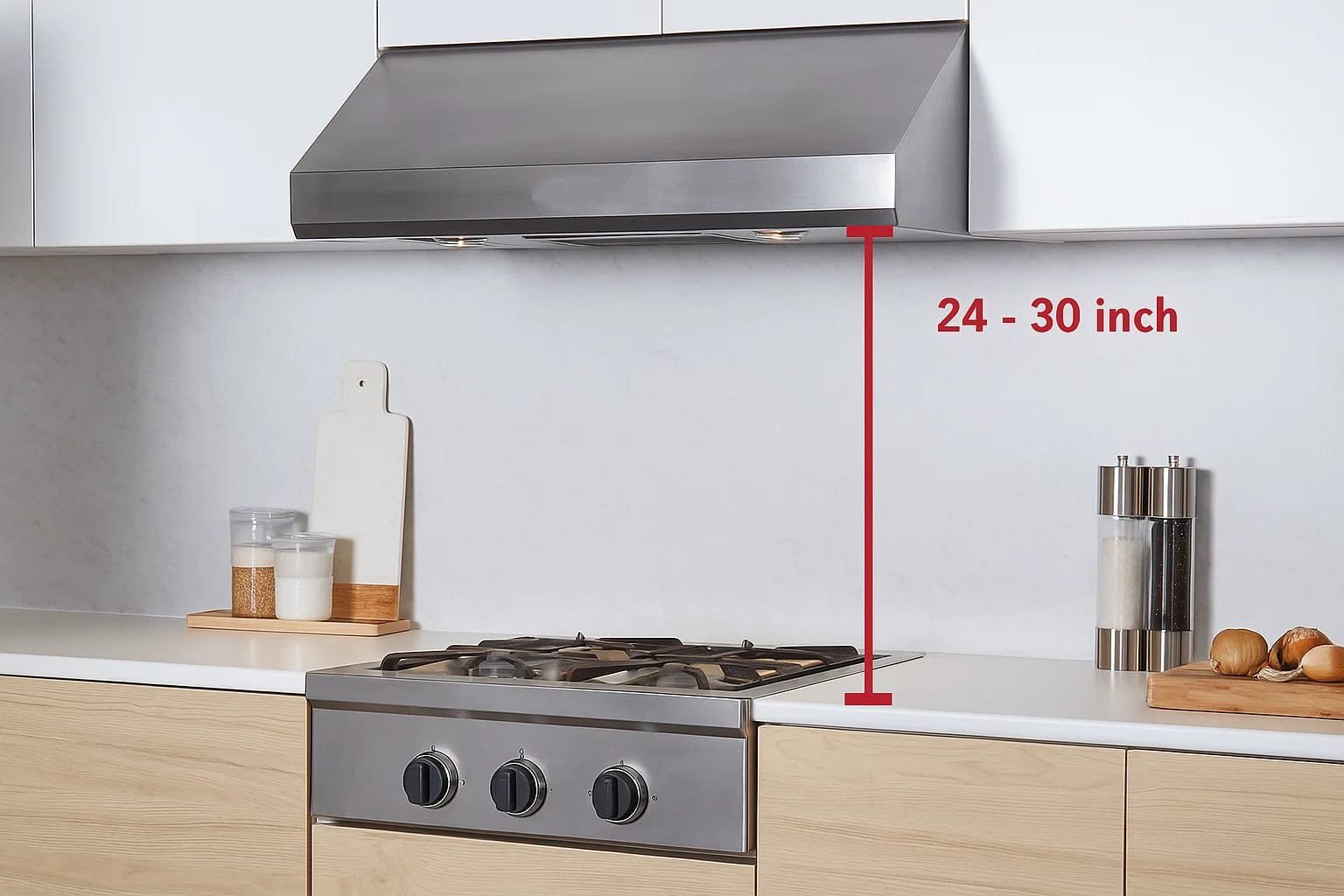
Cooking a great meal brings comfort to any home. But the heat, grease, and strong cooking smells that linger afterward can quickly ruin the cozy mood. In the past, keeping kitchen air clean required a complex system of pipes and vents leading outside. If you live in an apartment, a rented space, or a home where cutting through walls is not possible, traditional venting is rarely an option.
This is where modern technology provides an easier answer. A ductless cooker hood cleans the air right inside your kitchen without needing any outside venting. By recirculating and filtering the air, these systems keep your cooking space fresh, clean, and grease-free.
What is a Ductless Cooker Hood?
A ductless kitchen hood (often called a recirculating hood) does not send smoke and steam outside. Instead, it pulls dirty air into a built-in filtration system, cleans it, and releases the purified air back into the kitchen.
To make this happen, the appliance uses a two-step filtration process:
- Grease Filters: Typically made of aluminum mesh or stainless steel, these physical barriers catch grease droplets and oil particles. You can wash most metal grease filters by hand or in a dishwasher.
- Charcoal Filters: These carbon-filled blocks are the core of the deodorizing process. Activated carbon contains millions of tiny pores that trap cooking odors, smoke, and chemical compounds. Unlike grease filters, carbon filters must be replaced every few months.
Because there are no ducts to install, you can place these units on almost any wall or under almost any cabinet. This makes them highly practical for quick renovations.
The Core Benefits of Recirculating Air Systems
Choosing a ductless system over a vented one brings several practical advantages for everyday homeowners.
1. Easy and Affordable Installation
Installing a traditional ducted hood requires hiring professionals to cut holes through your exterior walls or roof. It also means running metal pipes through your ceiling or cabinets. A recirculating unit requires none of this. You simply mount it to the wall or cabinet and plug it into a standard outlet. This saves money on labor and materials.
2. High Placement Flexibility
Without the need to connect to an outside wall, you can place your stove and hood wherever you want. Whether you want your cooking station on a central kitchen island or tucked away in a corner, recirculating hoods make it simple to design your layout.
3. Energy Savings for Your Home
Ducted hoods pull air out of your house. In the winter, this means venting your heated indoor air outside, forcing your heater to work harder. In the summer, it vents your cool air-conditioned air. Recirculating hoods keep the air inside, maintaining your home’s temperature and lowering your utility bills.
4. Ideal for Apartments and Rentals
Many building codes, condo association rules, and landlord agreements do not allow major structural changes like adding vents. A recirculating hood is a non-destructive solution that keeps your kitchen fresh while preserving your security deposit.
Challenges to Keep in Mind
While recirculating systems are convenient, they do have a few limitations compared to ducted systems. Understanding these points helps you set realistic expectations.
- Humidity Management: Carbon filters trap grease and odors, but they cannot remove moisture or heat. If you boil large pots of water, you will still see some steam. Cracking a window nearby can help manage humidity levels.
- Ongoing Filter Costs: Activated carbon filters lose their trapping ability over time. To keep the air clean, you must replace them every three to six months, depending on how often you cook.
- Airflow Speed: Pushing air through dense carbon filters slows down the overall speed (measured in Cubic Feet per Minute, or CFM) compared to a completely open duct.
Key Trends in Modern Cooker Hoods
As homes transition toward open-concept layouts, kitchen appliances are changing to match. Modern designs focus on quiet performance, clean lines, and smart integration.
Sleek, Space-Saving Designs
Modern kitchens favor clean, open views. Heavy, bulky metal hoods are being replaced by low-profile options. Built-in under-cabinet models and ultra-thin glass chimney hoods blend naturally into contemporary kitchens without blocking your sightlines.
Integrated Cooktop Systems
The newest advancement in kitchen design is the downdraft cooktop. Instead of hanging a hood above the stove, these systems build the ventilation right into the cooking surface.
For a great example of this, look at the Ciarra One. This system combines an induction cooktop with a central extraction vent. It pulls grease, steam, and odors downward before they can rise into the room. This removes the need for a bulky overhead hood, creating a clean, modern look.
How to Choose the Right Model for Your Kitchen
To find the best fit for your home, consider these main factors before buying:
Kitchen Size and Performance (CFM)
Even though recirculating systems do not need as much raw power as ducted ones, you still need enough airflow to clean your room’s air volume. A good rule of thumb is to look for a model that can clean your kitchen’s air at least ten times per hour.
Noise Levels
Because air has to pass through thick charcoal filters, some models can get noisy. Check the product specifications for decibel (dB) or sone levels. Look for quiet models that run under 55 dB on normal speed settings so you can still chat while cooking.
Filter Accessibility
Since you need to wash grease filters and swap out carbon filters regularly, make sure they are easy to access. Look for models with quick-release latches that let you slide the filters out without using special tools.
Maintenance Tips for Best Performance
To keep your air fresh and clean, follow these simple maintenance steps:
- Clean Metal Grease Filters Monthly: Soak aluminum or stainless steel filters in warm water with grease-cutting dish soap, or run them through the dishwasher on a normal cycle.
- Replace Charcoal Filters Regularly: Do not try to wash carbon filters, as water ruins their active structure. Replace them every 3 to 6 months. If you fry foods often, change them sooner.
- Wipe Down the Exterior: Use a soft micro-fiber cloth and mild soap to clean the outside of the hood. Avoid harsh scrubs that can scratch stainless steel or painted surfaces.
- Run the Hood After Cooking: Leave the fan running on low speed for 10 minutes after you finish cooking to clear out any remaining air particles.
Final Thoughts
A ductless setup is a highly practical, flexible, and affordable way to keep your kitchen clean and smelling fresh. It removes the stress of complex wall renovations while protecting your home from grease buildup and smoke.