
As GPT Image 2 is being prepared to be launched and Grok Image gains momentum, we will find out whether or not Nano Banana 2 will remain in the lead in the High Fidelity AI Art market. The speed and realistic quality that Nano Banana 2 possesses are significant strengths; however, it will have multiple competitors trying to take away its market share. Furthermore, depending on the results of current and upcoming technologies, Google could work extremely hard to maintain its position as the leader in 2026 with Nano Banana Pro and Nano Banana AI.
The Calm Before the Storm
Nano Banana 2 is the best in the AI image creation world right now. It generates 4k-resolution images so quickly with its flash engine that users sometimes cry out, “Bloody Hell!” Creators are thrilled with how precisely everything looks, how well text renders, and how they can have studio-quality images without having to wait for ages for them to complete.
A dark, ominous cloud is lurking above Google’s banana kingdom, as OpenAI’s next hot tech release and chatter about GPT Image 2 are building behind the scenes. There are power users who remained loyal to Nano Banana 2 for its true realism but are now beginning to look around at the competition. Will the top dog remain the top dog, or will it soon be smashed down like an overripe piece of fruit? Everyone in the marketplace is in a frenzy, holding their breath collectively as they await the next major shift.
With Nano Banana 2, Google merged high-tech vision with rapid-speed function via a single solution that can render complex prompts while still keeping the integrity of artwork intact, rather than giving artists a “blurry mess.” However, with OpenAI posing a potential threat, you may ask yourself if the combination of pure speed and fidelity will suffice as competitors begin adding conversational capabilities into the mix.
GPT Image 2: The Nano Banana Killer?
OpenAI’s new program, GPT Image 2, is creating a stir and raising serious eyebrows. There’s a lot of talk about how this new technology will make manipulating photos easy because of a “conversational logic” that allows you to interact with your AI in real time. You can get what you want immediately by giving the AI instructions on how you want your image modified. Think about being able to say to an AI, “Can you please make the banana less yellow, add more dramatic lighting, and then make it cyberpunk?” as opposed to having to start all over every time. This back-and-forth communication could capture many casual users who currently use Nano Banana 2 to create images for their daily work.
Why do some users seem to fear for Nano Banana 2? While its raw realism and speed are impressive, it can sometimes feel rigid for creative swings that are large in scope. Rumors about GPT Image 2 suggest a system that embeds context across multiple turns. One moment you may create a portrait of a person, and the next you are developing that portrait into an entire scene without losing the consistency of the subject.
For basic, high-end visual fidelity, the best choice is currently Nano Banana Pro because of its speed. The next best alternative will likely be GPT Image 2 because of its flexible capabilities and friendly, personal manner of interaction. Early testers report that even in leaked versions, the previous color cast issues from OpenAI’s earlier models have been corrected.
The Sora Vacuum: Life After the Video Giant
Earlier this year, OpenAI terminated Sora, which left a void in the AI community. That flashy video program could create movies using only text, but now that it’s gone, everyone is waiting for the next great image-to-video software. All of a sudden, everyone wants to see image-generating tools that integrate easily into video production processes.
With its outstanding fidelity, Nano Banana is a great place to begin experimenting with video projects, as its clear detail and uniform subject matter are helpful when transforming photographs into videos. Since the way creators work has changed, many people are looking for product innovation—tools that are not only aesthetically pleasing but work together with minimal effort.
Nano Banana Pro can be used by Google to fill the void. With the Pro version, you get better control and a higher degree of reasoning than you would with the standard Nano Banana 2. Creators caught in the Sora-shaped void are experimenting with how Nano Banana AI features can help fill the hole with smarter edits that provide style continuity from frame to frame.
X’s Dark Horse: The Rise of Grok Image
At Grok Image, we are like an underdog that doesn’t follow traditional rules. While Google provides many ways to explore safely—using “safety rails” technologies—Grok has been advancing quickly using cutting-edge tech without as many restrictions. As a result, users who are highly experienced but tired of hearing “I’m sorry, I cannot generate this content” are beginning to migrate over to Grok Image for more creative freedom.
Grok Image siphons off fans of Nano Banana 2 who crave realism but dislike the “corporate nanny” filters. Grok can take strange prompts and produce fun results while continuing to make rapid improvements. Its hardware setup allows for fast generation times and high quality that rivals traditional setups.
Nano Banana 2 is great for its quick completion of daily tasks. Grok, while appearing unpolished at times, tends to have a more playful side. Long-time users have been heard saying, “Grok is much better for creating bizarre content because I don’t have to listen to a lecture about why something is considered weird.”
A Head-to-Head Comparison: Nano Banana 2 vs. The Field
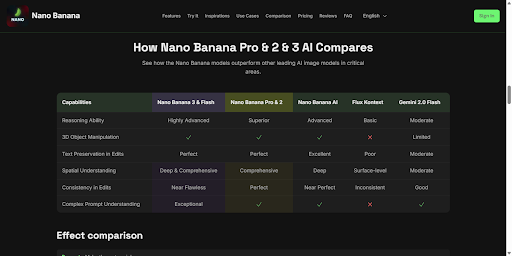
Let’s be honest and put these products side by side. Most daily users agree that Nano Banana 2 is still at the forefront of pure visual quality. The ability to produce high-definition images in seconds without waiting for a coffee pot to boil makes it possible for anyone to produce professional work. Text remains legible, subjects stay consistent, and the overall realism generally surpasses the competition on simple prompts.
Here is the breakdown:
- Nano Banana 2: Offers photorealistic scenarios and the finest level of detail currently produced.
- Grok Image: Offers something similar or better for “crazy” or unrestricted ideas.
- GPT Image 2: Shows massive potential in leaks, though it hasn’t been fully released yet.
- Speed: The clear winner is the Nano Banana flash mode. Grok is gaining ground, and GPT Image 2 is expected to catch up through conversational efficiency.
- Flexibility: Grok is currently the most unrestricted. GPT Image 2 may take this title with its rumored logic capability, while Nano Banana 2 often plays it too safe.
User Feedback: Nano Banana 2 is praised for being dependable and ready for professional use. Grok users sometimes struggle with extreme artistic features, but love the lack of censorship.
Conclusion: The Three-Way War for AI Art
Great progress has been made as companies attempt to fill the void left by Sora’s absence. Nano Banana 2 is still doing quite well for speed and quality. However, the strong competition from GPT Image 2’s conversational logic and Grok Image’s free spirit makes this a real horse race!
If Google wants to attract customers back from Grok, they should lean into Nano Banana Pro, incorporate more AI logic into the flash version, and ease up on some restrictions. Otherwise, users will continue looking to Grok for entertainment or to OpenAI for their next big release.
Ultimately, Nano Banana 2 stands a great chance of remaining successful due to its core technical capabilities and updates like Nano Banana AI and Pro. Stay tuned, as the trends and the memes surrounding this AI war are only going to keep evolving!
