
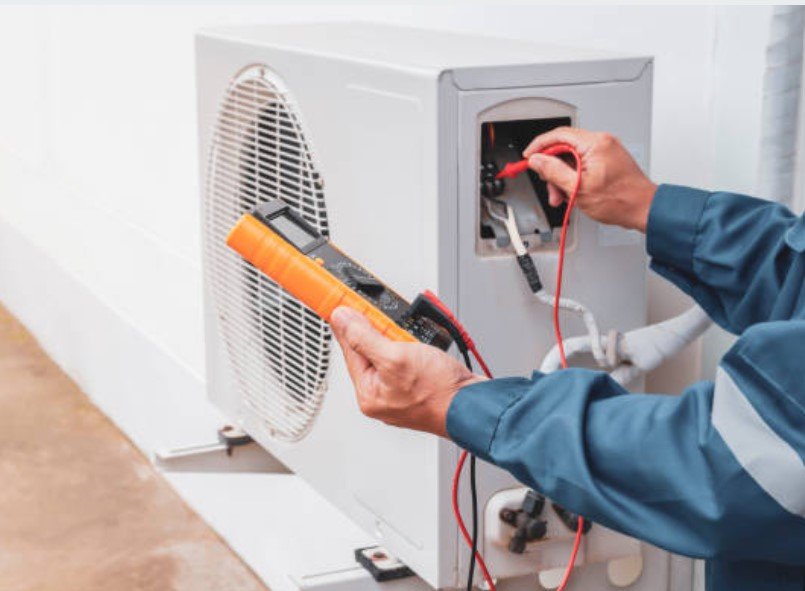
Heating systems are essential for maintaining comfortable indoor environments, especially during colder seasons when temperatures drop and consistent warmth becomes a necessity rather than a luxury. Whether installed in residential homes, commercial buildings, or industrial facilities, heating systems are responsible for regulating indoor temperatures, supporting air quality, and ensuring occupant comfort. Over time, however, these systems experience wear and require professional attention to continue operating efficiently and safely. This is where a structured heating service becomes critical.
A heating system is not a single component but a combination of interconnected parts working together. These may include furnaces, boilers, heat pumps, thermostats, ductwork, burners, heat exchangers, and safety controls. Each element plays a role in producing and distributing heat effectively throughout a space. When even one part begins to fail or underperform, the entire system can lose efficiency, increase energy consumption, or stop working altogether. Regular service ensures that these systems remain in optimal condition and continue delivering consistent performance.
Understanding the Importance of Heating Systems in Modern Buildings
Heating systems are designed to maintain indoor thermal comfort by generating and distributing heat evenly throughout a building. In residential spaces, they ensure that living environments remain safe and comfortable during cold weather. In commercial environments, they support productivity by maintaining stable working conditions, while in industrial settings, they help protect equipment and processes that require controlled temperatures.
Modern heating systems are also closely tied to energy efficiency. A properly functioning system consumes less energy while delivering consistent warmth, which helps reduce utility costs and environmental impact. On the other hand, neglected systems often struggle to maintain temperature, leading to higher energy usage and inconsistent performance.Because heating systems operate under continuous thermal stress, regular inspection and maintenance are essential to prevent breakdowns and extend operational life.
Common Types of Heating Systems
There are several types of heating systems commonly used in buildings today, each with its own design and operational method. Furnaces are among the most widely used systems, particularly in residential properties. They work by heating air and distributing it through ductwork using blowers.
Boilers operate differently by heating water to produce steam or hot water, which is then circulated through radiators or underfloor heating systems. These systems are known for providing steady and even heat distribution.Heat pumps are increasingly popular due to their energy efficiency. Instead of generating heat directly, they transfer heat from outside air or ground sources into the building. They can also function as cooling systems in warmer months, making them versatile year-round solutions.
Electric heating systems use electrical resistance to generate heat and are often used in smaller spaces or supplemental heating applications. Gas-powered systems, on the other hand, rely on natural gas or propane to produce heat efficiently for larger buildings.Each system requires specific maintenance approaches, which is why professional heating service is essential for proper care.
The Role of Regular Heating Service
Regular heating service involves inspecting, cleaning, testing, and maintaining all components of a heating system to ensure optimal performance. This process helps identify minor issues before they escalate into major failures, improving both efficiency and safety.
One of the primary goals of heating service is to ensure consistent heat output. Over time, dust, debris, and wear can reduce system efficiency, causing uneven heating or increased energy consumption. Routine servicing restores performance by cleaning components and recalibrating system settings.
Another key function of heating service is safety assurance. Heating systems, especially those powered by gas or combustion processes, must be carefully monitored to prevent hazards such as gas leaks, carbon monoxide buildup, or electrical malfunctions.A well-maintained system also experiences fewer breakdowns, reducing the likelihood of emergency repairs during peak usage periods.
Common Issues Identified During Heating Service
During routine servicing, technicians often identify a range of common issues that affect system performance. Dirty filters are one of the most frequent problems, restricting airflow and forcing the system to work harder than necessary.
Faulty thermostats can also lead to inconsistent temperature control, causing discomfort and inefficiency. In some cases, thermostats may misread temperatures or fail to communicate properly with the heating system.Mechanical wear in components such as blower motors, belts, and bearings can lead to unusual noises, reduced airflow, or complete system failure if not addressed.
In boiler systems, issues such as pressure imbalances, sediment buildup, or leaking valves are commonly detected during inspections.Heat pumps may experience refrigerant leaks or compressor issues, both of which can significantly reduce efficiency.
The Heating Service Process Explained
A professional heating service typically begins with a comprehensive inspection of the entire system. Technicians evaluate all components, including mechanical parts, electrical connections, fuel lines, and safety controls.Once the inspection is complete, cleaning procedures are performed. This may include replacing air filters, cleaning burners, removing dust from internal components, and clearing ductwork obstructions.
System calibration is another important step. Thermostats and control systems are tested and adjusted to ensure accurate temperature regulation and efficient operation.Safety testing is conducted to verify that the system is operating within safe parameters. This includes checking for gas leaks, carbon monoxide levels, and proper ventilation.
Finally, the system is run through operational tests to confirm that it heats evenly, responds correctly to controls, and maintains stable performance.Preventive maintenance is one of the most effective ways to extend the lifespan of heating equipment. By addressing small issues early, homeowners and facility managers can avoid major system failures and expensive repairs.
Regular maintenance also improves energy efficiency. A clean and well-calibrated system requires less energy to produce the same level of heat, resulting in lower utility bills over time.
Preventive care helps maintain indoor air quality by ensuring that filters and ducts remain clean and free from contaminants.In addition, it reduces the likelihood of unexpected breakdowns during cold weather when heating systems are most needed.
Energy Efficiency and System Optimization
Modern heating service practices focus heavily on energy efficiency. Technicians often evaluate system performance to identify areas where energy is being wasted.
Upgrading filters, sealing duct leaks, and optimizing thermostat settings can significantly improve efficiency. In some cases, older systems may benefit from partial upgrades or component replacements to enhance performance.Smart thermostats and advanced control systems are also becoming more common, allowing users to monitor and adjust heating remotely for improved efficiency.
Efficient heating service not only reduces energy consumption but also contributes to environmental sustainability by lowering overall emissions.Safety is one of the most critical aspects of heating system maintenance. Gas-powered systems must be carefully inspected for leaks, as even small leaks can pose serious health and fire risks.Carbon monoxide detection is another essential safety measure. Faulty combustion processes can produce this dangerous gas, making proper ventilation and monitoring systems vital.
Electrical components must also be checked to prevent short circuits, overheating, or fire hazards.Professional technicians are trained to identify and resolve these risks during routine servicing, ensuring that systems operate safely.
Common Challenges in Heating Service
Heating systems can present a variety of challenges during servicing. Older systems may have outdated components that are difficult to repair or replace.Severe wear and tear can make diagnosis more complex, especially when multiple issues are present simultaneously.Access limitations within tightly installed systems can also make maintenance more time-consuming.
In some cases, environmental factors such as dust, humidity, or corrosion can accelerate system degradation and complicate repairs.While some basic maintenance tasks can be performed by homeowners, professional servicing is essential for ensuring thorough inspection and safe operation. Certified technicians have the tools and expertise to diagnose complex issues and perform accurate repairs.
Professional service also ensures compliance with safety standards and manufacturer requirements, helping to maintain warranty coverage and system reliability.Regular professional heating service provides peace of mind by ensuring that heating systems are prepared to perform efficiently throughout the cold season.
Conclusion
Investing in routine heating service can result in significant long-term financial savings. Efficient systems consume less energy, reducing monthly utility bills.Preventing major breakdowns also reduces repair costs and extends system lifespan, delaying the need for full replacement.Well-maintained heating systems also contribute to higher property value and improved buyer confidence in real estate markets.
Heating systems are essential for maintaining comfort, safety, and energy efficiency in residential and commercial buildings. Over time, however, these systems require consistent attention to remain reliable and effective.Regular inspection, cleaning, and calibration ensure that heating systems continue to operate safely and efficiently while minimizing energy waste and preventing unexpected failures.Professional heating service plays a vital role in maintaining system performance, extending equipment lifespan, and ensuring safe operation throughout the year.
Ultimately, proper maintenance and timely servicing provide long-term comfort, financial savings, and peace of mind for property owners, making heating care an essential part of responsible building management.
