
A properly functioning toilet is one of the most important yet often overlooked components of any residential or commercial plumbing system. It is used multiple times a day and depends on a delicate balance of water flow, pressure control, sealing mechanisms, and drainage efficiency. When everything works correctly, it provides convenience and hygiene without drawing attention to itself. However, when problems arise, they can quickly disrupt daily routines and create discomfort, water waste, and potential damage to surrounding areas. Understanding how toilet systems work, what causes common malfunctions, and how timely maintenance can prevent larger issues is essential for maintaining a reliable plumbing setup.
Toilet issues are not always dramatic at first. Many problems begin with subtle signs such as slow refilling tanks, weak flushing performance, or occasional running water sounds. These minor indicators are often ignored, but they frequently signal underlying mechanical or sealing problems that can worsen over time. Addressing these early can prevent unnecessary water consumption and reduce the likelihood of more complex plumbing failures.
Understanding How a Toilet System Functions
A standard toilet operates through a relatively simple but highly coordinated mechanism. When the flush handle is pressed, a chain lifts the flapper valve inside the tank, allowing stored water to rush into the bowl. This sudden release creates pressure that pushes waste through the trapway and into the drainage system. Once the tank empties, the flapper closes, and the fill valve activates to refill the tank to a predetermined level.
Each component plays a critical role in ensuring efficiency. The fill valve regulates incoming water, the flapper controls release timing, the overflow tube prevents flooding, and the float mechanism ensures correct water levels. When any of these parts malfunction, the entire system becomes less efficient or stops functioning correctly.
Over time, wear and tear naturally affect rubber seals, plastic components, and metal parts. Mineral buildup from water supply lines can also interfere with moving parts, reducing responsiveness and causing leaks or incomplete flushing cycles. Understanding this system helps homeowners recognize why even small issues should not be ignored.
Common Causes of Toilet Malfunctions
Toilet problems can stem from a variety of mechanical, structural, and usage-related factors. One of the most common issues is a worn-out flapper that no longer seals properly. When this happens, water continuously leaks from the tank into the bowl, leading to constant refilling cycles and increased water bills.
Another frequent issue involves the fill valve. If the fill valve becomes faulty or clogged, the tank may not refill properly, resulting in weak flushes or incomplete tank replenishment. In some cases, the valve may allow too much water to enter, causing overflow or continuous running water.
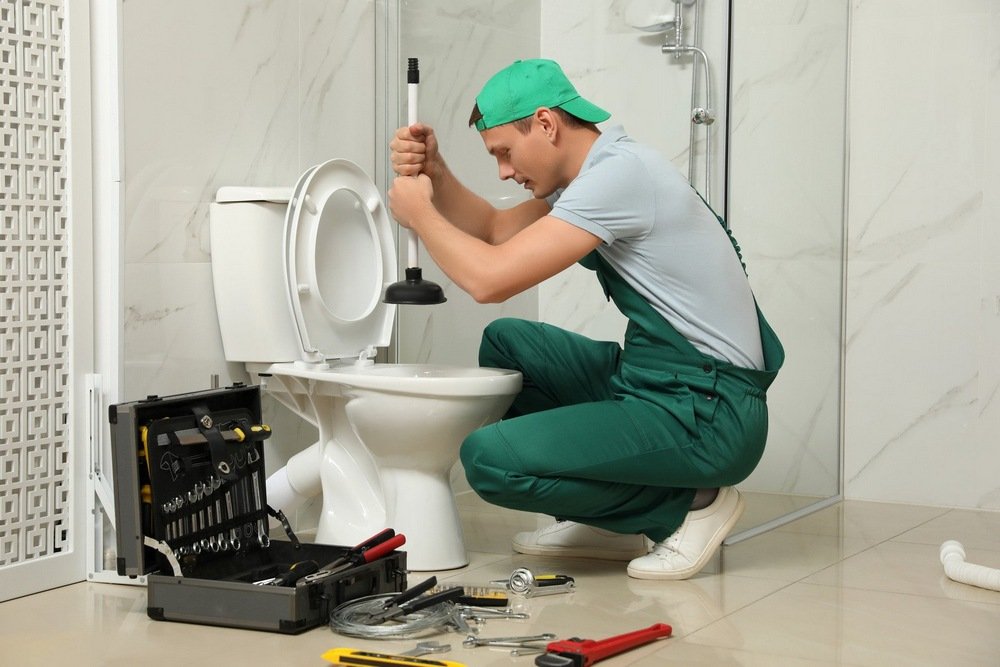
Clogging is also a widespread problem, often caused by excessive toilet paper use or foreign objects accidentally flushed down the drain. While minor clogs can sometimes be resolved with a plunger, more severe blockages may require specialized tools or professional intervention.
Mineral deposits from hard water can accumulate inside the tank and pipes, affecting the movement of internal components. This buildup can restrict water flow, slow down flushing power, and damage sensitive parts over time.In addition to mechanical issues, improper installation or aging plumbing systems can contribute to recurring problems. Poor alignment, loose fittings, or outdated materials may lead to persistent inefficiencies that require corrective adjustments.
Early Warning Signs That Should Not Be Ignored
Recognizing early signs of toilet malfunction can prevent costly repairs and water damage. One of the most noticeable indicators is continuous running water. This often suggests that the flapper is not sealing correctly or that the fill mechanism is malfunctioning. Even a small leak can waste a significant amount of water over time.
Another warning sign is weak or incomplete flushing performance. When a toilet does not clear the bowl effectively, it may indicate low tank water levels, partial blockages, or issues with the flush mechanism. This problem can gradually worsen if not addressed.
Unusual noises such as hissing, gurgling, or bubbling may also indicate internal pressure imbalances or air trapped within the plumbing system. These sounds are often early indicators of developing mechanical issues.Water pooling around the base of the toilet is another serious concern. This may suggest a damaged wax seal or loose connection between the toilet and the drain pipe. If ignored, it can lead to structural damage to flooring and subfloor materials.
The Importance of Timely Maintenance and Repairs
Delaying maintenance often turns small plumbing issues into major problems. A minor leak, for example, can escalate into water damage that affects flooring, walls, and nearby fixtures. Additionally, continuous water waste from malfunctioning components can significantly increase utility costs over time.
Regular maintenance ensures that all internal components are functioning efficiently. Simple tasks such as inspecting the tank, cleaning mineral deposits, and checking seals can extend the lifespan of the entire system. Preventive care reduces the likelihood of sudden breakdowns and improves overall reliability.In many cases, professional intervention becomes necessary when internal components are worn beyond repair or when underlying plumbing issues are suspected. This is where structured toilet repair becomes essential, as it addresses both visible symptoms and hidden mechanical faults to restore full functionality.
Proper repair work not only resolves immediate issues but also helps prevent recurring problems by ensuring that all components are properly aligned, sealed, and functioning according to design specifications.
Key Components Often Involved in Repairs
Toilet repair typically involves several key components that may require adjustment or replacement. The flapper is one of the most frequently replaced parts due to its constant exposure to water and pressure. A damaged flapper can cause continuous leaks and inefficient flushing cycles.
The fill valve is another critical component. When it becomes faulty, it may need recalibration or replacement to restore proper tank filling behavior. Similarly, the flush handle and lift chain must be properly adjusted to ensure smooth activation of the flushing mechanism.
The wax ring seal at the base of the toilet is essential for preventing leaks between the toilet and the drainage system. If this seal becomes damaged, it can result in water leakage and unpleasant odors. Replacing the wax ring is often necessary during more extensive repair work.In some cases, the toilet tank itself may develop cracks or structural weaknesses, particularly in older units. While less common, such damage often requires replacement of the entire fixture.
Step-by-Step Overview of the Repair Process
A typical repair process begins with a thorough inspection of the toilet system. This includes checking internal tank components, assessing water flow, and identifying visible signs of damage or wear. The goal is to determine whether the issue is mechanical, structural, or related to plumbing connections.
Once the problem is identified, the water supply is turned off, and the tank is drained to allow safe access to internal parts. Damaged or worn components are then removed and replaced with compatible parts designed for the specific toilet model.
After replacements are installed, the system is carefully reassembled and tested. This ensures that water flow is consistent, the tank fills correctly, and the flushing mechanism operates efficiently. Any necessary adjustments are made to fine-tune performance.
Finally, the area is inspected for leaks or irregularities, and the toilet is restored to normal operation. Proper testing ensures that the repair has fully resolved the issue and that no additional problems remain.
Preventing Future Toilet Problems
Preventive care is one of the most effective ways to avoid frequent plumbing issues. One of the most important habits is avoiding flushing inappropriate items. Only human waste and toilet paper should be flushed, as other materials can easily cause blockages.Regular inspection of tank components helps identify early signs of wear. Replacing small parts before they fail completely can prevent larger system breakdowns. Cleaning mineral deposits periodically also helps maintain smooth operation.
Monitoring water bills can provide early clues about hidden leaks. A sudden increase in water usage may indicate a slow leak that requires immediate attention.
Proper installation and occasional professional servicing can further reduce the likelihood of recurring issues. By maintaining the system proactively, homeowners can ensure long-term efficiency and reliability.
Why Professional Expertise Matters in Complex Cases
While minor issues such as simple clogs can often be resolved without assistance, more complex plumbing problems require professional expertise. Experienced technicians can accurately diagnose hidden issues that may not be visible during basic inspections.
Advanced tools allow professionals to detect leaks, assess internal damage, and ensure that all components are functioning correctly. This level of precision is especially important in older plumbing systems where multiple issues may exist simultaneously.
In situations where repeated failures occur, professional toilet repair services provide a comprehensive solution that addresses both symptoms and root causes. This ensures long-lasting results and reduces the likelihood of recurring problems.
Conclusion
A well-maintained toilet system is essential for daily comfort, hygiene, and water efficiency. While the mechanism may appear simple, it relies on multiple interconnected components that must function correctly to ensure reliable performance. Understanding common issues, recognizing early warning signs, and performing regular maintenance can significantly extend the lifespan of the system.
Timely repairs play a crucial role in preventing water waste, structural damage, and costly replacements. Whether dealing with minor leaks or more complex mechanical failures, addressing issues promptly ensures continued efficiency and reliability.
In the long term, investing attention and care into plumbing systems pays off through reduced repair costs, improved performance, and greater peace of mind. Proper maintenance combined with informed decision-making ensures that toilet systems remain dependable for years to come, supporting both household convenience and environmental responsibility.
