
Introduction
Large-scale construction projects depend on a wide range of logistical systems to maintain efficiency, safety, and workforce productivity. Among these systems, sanitation and hygiene infrastructure are often overlooked, yet they play a crucial role in ensuring smooth daily operations on-site. Workers involved in physically demanding tasks require access to clean, convenient, and properly maintained restroom facilities. Without this, productivity decreases, safety risks increase, and overall project coordination becomes more difficult to manage. This is where temporary sanitation solutions become essential in modern construction environments.
One of the most widely used solutions in this category is portable sanitation units designed specifically for construction environments. These facilities are not permanent structures but are instead designed to be deployed, relocated, and maintained easily throughout the duration of a project. Their flexibility makes them highly suitable for dynamic work environments where project layouts frequently change and large teams operate across different zones. Proper planning and placement of these units contribute significantly to worker satisfaction and site hygiene standards.
In modern construction management, sanitation is no longer considered a secondary concern. Instead, it is integrated into project planning from the earliest stages. Regulations, health standards, and workforce expectations all require that adequate restroom facilities be available at all times. This has led to the development of structured approaches to temporary sanitation planning, ensuring that facilities are both accessible and hygienic throughout the construction lifecycle.
Importance of Sanitation Facilities in Construction Environments
Construction sites are high-activity environments where workers spend long hours performing physically intensive tasks. In such conditions, access to clean and functional restroom facilities is essential for maintaining comfort, health, and productivity. When proper sanitation is not available, workers are forced to leave the site to find facilities, which leads to delays, inefficiency, and reduced work output.
Beyond productivity, hygiene also plays a critical role in preventing the spread of diseases and maintaining a safe working environment. Construction sites often involve exposure to dust, chemicals, and physical exertion, making sanitation facilities a necessary component of occupational health standards. Properly maintained restroom units help reduce health risks and ensure compliance with workplace safety regulations.
The strategic implementation of temporary sanitation solutions ensures that workers have access to facilities regardless of the size or location of the construction site. This is particularly important for large infrastructure projects, remote developments, or sites where permanent plumbing systems are not yet available.
Planning and Placement of Temporary Sanitation Units
Effective sanitation management begins with careful planning. The number of units required depends on the size of the workforce, the duration of the project, and the layout of the construction site. Proper placement is equally important, as facilities must be easily accessible without disrupting workflow or interfering with active construction zones.
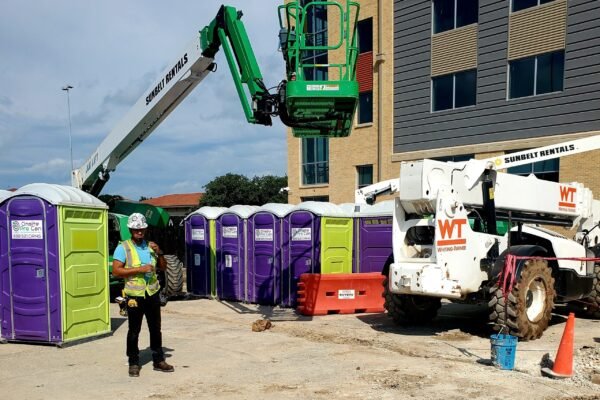
Units are typically placed in multiple locations across the site to minimize travel time for workers. They are also positioned in areas that are stable, level, and safe from heavy machinery traffic. Accessibility for maintenance services is another important consideration, as regular cleaning and waste disposal are necessary to maintain hygiene standards.
The concept of construction toilet rental use becomes particularly relevant during this planning stage, as it emphasizes the importance of aligning sanitation placement with operational efficiency. Proper planning ensures that restroom facilities are not only available but also integrated into the overall workflow of the site in a way that supports productivity and convenience.
Types of Portable Sanitation Solutions Used in Construction
There are several types of portable sanitation units available for construction environments, each designed to meet specific needs. Standard single-unit restrooms are the most common and provide basic functionality, including a toilet, ventilation, and waste storage system. These units are ideal for small to medium-sized projects where minimal facilities are required.
For larger projects, multi-unit restroom trailers may be used. These provide additional space, improved ventilation, and sometimes separate compartments for different users. Some advanced models include handwashing stations, lighting systems, and improved odor control mechanisms to enhance user comfort.
Specialized units may also be deployed for projects requiring enhanced hygiene standards. These can include flushing systems, running water connections, or eco-friendly waste management systems designed to reduce environmental impact. The selection of unit type depends on project requirements, budget considerations, and regulatory compliance.
The effective application of construction toilet rental use ensures that the selection of sanitation units is based on practical site needs rather than generic availability. This approach improves both efficiency and user satisfaction.
Installation and Setup Process on Construction Sites
The installation of temporary sanitation units is a relatively straightforward process, but it must be carried out with careful attention to detail. Once the units are delivered to the site, they are positioned according to the site plan and secured in place to prevent movement or tipping.
Level ground is essential for stability, and units must be placed in areas that are easily accessible to workers while remaining outside high-risk operational zones. In some cases, barriers or signage may be used to clearly mark restroom areas and ensure safety around the units.
If the units require external connections such as water supply or electrical power, these are arranged during setup. However, many modern portable units are self-contained, making them highly flexible and easy to deploy in remote or temporary locations.The success of construction toilet rental use during installation depends on proper coordination between site managers and sanitation providers. This ensures that units are installed efficiently and are ready for immediate use without disrupting ongoing construction activities.
Maintenance, Cleaning, and Hygiene Standards
Regular maintenance is essential for ensuring that portable sanitation units remain clean, functional, and safe for use. Cleaning schedules are typically determined based on the number of users and the duration of the project. High-traffic sites may require daily servicing, while smaller sites may need less frequent maintenance.
Maintenance includes waste removal, restocking of supplies such as toilet paper and hand sanitizer, and cleaning of interior surfaces. Odor control treatments are also applied to maintain a comfortable user experience. Proper ventilation systems help reduce odor buildup and improve air quality inside the units.
Neglecting maintenance can lead to hygiene issues, unpleasant conditions, and reduced worker satisfaction. Therefore, consistent servicing is a critical component of effective sanitation management on construction sites.
The continued effectiveness of construction toilet rental use depends heavily on reliable maintenance practices. Without regular servicing, even high-quality units can quickly become unusable, affecting overall site efficiency and worker morale.
Health, Safety, and Regulatory Compliance
Construction sites are subject to strict health and safety regulations that require adequate sanitation facilities for workers. These regulations are designed to ensure that workers have access to clean and safe restroom facilities at all times. Compliance is not optional, and failure to meet these standards can result in penalties, project delays, or legal consequences.
Portable sanitation units help construction companies meet these requirements efficiently. They provide a flexible and scalable solution that can be adjusted based on workforce size and project demands. In addition, they help reduce environmental contamination by ensuring proper waste containment and disposal.
Safety considerations also include proper placement of units to avoid hazards such as falling debris, heavy machinery traffic, or unstable ground conditions. Clear access routes and signage further enhance safety and usability.
The integration of construction toilet rental use into compliance planning ensures that sanitation solutions meet both legal and operational requirements, reducing risk and improving site management efficiency.
Environmental Considerations and Sustainable Practices
Modern sanitation solutions are increasingly designed with environmental sustainability in mind. Waste management systems are engineered to minimize environmental impact through controlled disposal processes and eco-friendly treatment methods. Some units also incorporate water-saving technologies to reduce resource consumption.
Proper waste disposal is essential to prevent contamination of soil and water sources near construction sites. Service providers follow regulated procedures to ensure that waste is transported and treated safely at designated facilities.
Sustainable practices in sanitation management also include the use of biodegradable chemicals and recyclable materials in unit construction. These innovations contribute to reducing the overall environmental footprint of construction projects.By applying construction toilet rental use within sustainability planning, project managers can ensure that hygiene needs are met without compromising environmental responsibility.
Common Challenges in Managing Temporary Sanitation Systems
Despite their benefits, temporary sanitation systems can present certain challenges. One of the most common issues is inadequate placement, which can lead to accessibility problems or interference with construction activities. Poor maintenance scheduling can also result in hygiene issues and user dissatisfaction.
Another challenge is underestimating the number of units required for a given workforce size. Insufficient facilities can lead to long waiting times and reduced productivity. Weather conditions may also affect usability, particularly in extreme heat or heavy rainfall environments.
Logistical coordination between service providers and construction managers is essential to avoid disruptions in cleaning and waste disposal schedules. Effective communication ensures that units remain functional and hygienic throughout the project duration.
The structured application of construction toilet rental use helps address these challenges by emphasizing proper planning, monitoring, and coordination from the beginning of the project.
Long-Term Benefits of Proper Sanitation Management
Proper sanitation management on construction sites provides numerous long-term benefits. It improves worker satisfaction, enhances productivity, and ensures compliance with health and safety regulations. Clean and accessible facilities contribute to a more organized and professional work environment.
In addition, efficient sanitation systems reduce downtime caused by workers leaving the site to access external facilities. This leads to improved project timelines and cost efficiency. Environmental protection is also enhanced through controlled waste management practices.
Ultimately, well-managed sanitation systems reflect positively on project management quality and organizational standards. They demonstrate a commitment to worker welfare and operational efficiency, both of which are essential in modern construction practices.
Conclusion
Temporary sanitation solutions are a vital component of modern construction site management. They ensure that workers have access to clean, safe, and convenient restroom facilities, which directly impacts productivity, health, and overall project efficiency. From planning and installation to maintenance and compliance, every stage of sanitation management requires careful coordination and attention to detail.
By applying structured approaches and prioritizing functionality, construction managers can create efficient and hygienic work environments that support long-term project success. The consistent application of construction toilet rental use throughout planning, execution, and maintenance ensures that sanitation systems are not only functional but also seamlessly integrated into the overall construction workflow, resulting in safer, cleaner, and more productive job sites.
