
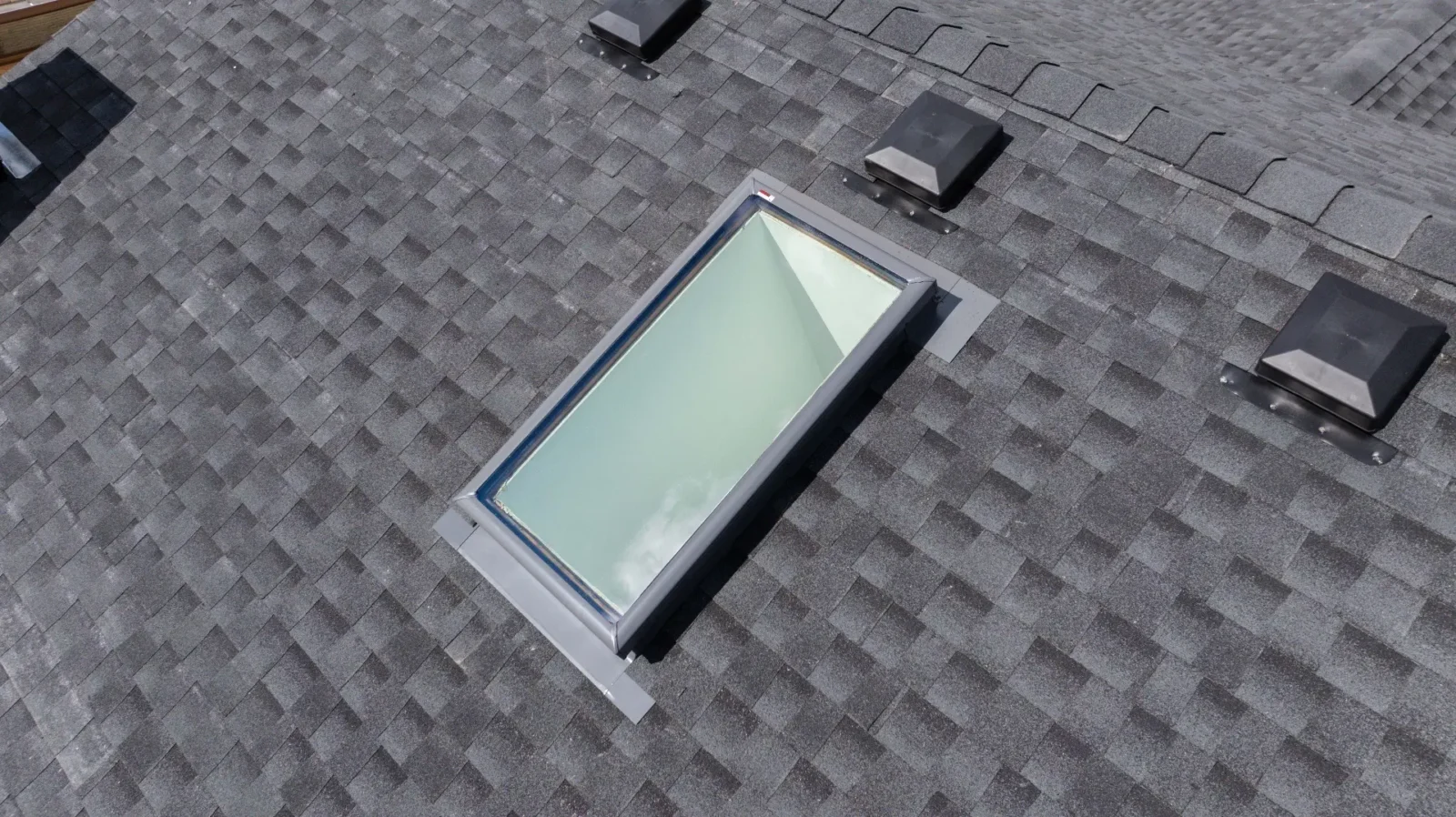
Natural light has always been one of the most desirable features in a home. A well-placed skylight can brighten dark rooms, create a sense of openness, and improve the overall atmosphere of a living space. Over time, however, even the highest-quality skylights can begin to show signs of wear. Exposure to changing weather conditions, aging materials, and outdated designs can reduce their effectiveness and visual appeal. When homeowners notice issues such as leaks, drafts, condensation, or diminished energy efficiency, it may be time to consider a professional skylight replacement solution.
Modern skylight technology has evolved significantly over the years. Today’s products are designed to provide superior insulation, better weather resistance, enhanced durability, and improved aesthetics. Whether a homeowner is seeking better energy performance or simply wants to update the appearance of a property, replacing an old skylight can offer substantial long-term benefits. Understanding the process, advantages, and available options can help property owners make informed decisions that increase comfort and value.
Understanding the Purpose of Skylights
Skylights serve a unique role in residential and commercial properties by introducing natural daylight from above. Unlike traditional windows, which are limited by wall placement, skylights capture sunlight throughout much of the day, helping to illuminate interior spaces more effectively. This additional daylight can make rooms feel larger, brighter, and more welcoming.
In many homes, skylights are installed in areas where wall windows are limited or impractical. Hallways, bathrooms, kitchens, stairwells, and attic conversions often benefit greatly from overhead lighting. Beyond aesthetics, natural daylight can also contribute to improved mood and productivity while reducing the need for artificial lighting during daylight hours.
As building technology advances, skylights have become increasingly sophisticated. Modern designs incorporate advanced glazing systems, UV protection, thermal insulation, and automated ventilation features. These improvements allow homeowners to enjoy the benefits of natural light while minimizing heat loss and energy consumption.
Signs That an Existing Skylight Needs Attention
Many homeowners overlook early warning signs of skylight deterioration until significant problems develop. Recognizing these indicators can help prevent more extensive damage and costly repairs.
One of the most common signs is water infiltration. Even a small leak around a skylight can lead to moisture damage in ceilings, walls, and insulation. Stains, peeling paint, or mold growth near the skylight opening often indicate underlying issues that should not be ignored.
Drafts are another warning sign. Older skylights may lose their insulating properties over time, allowing cold air to enter during winter and warm air to escape. This can increase energy bills and reduce indoor comfort.
Condensation between glass panes is also a common issue. When the seal within a double- or triple-glazed unit fails, moisture can become trapped between layers of glass. This not only affects visibility but also indicates a loss of insulating performance.
Cracked frames, damaged flashing, and discoloration of materials can further suggest that the skylight has reached the end of its useful lifespan. In such situations, investing in repairs may provide only temporary relief, making replacement the more practical long-term option.
Benefits of Installing a Modern Skylight System
Replacing an outdated skylight offers numerous advantages beyond simply resolving existing problems. Modern systems are engineered to deliver better performance across multiple areas.
Energy efficiency is among the most significant benefits. Contemporary skylights often feature Low-E coatings, insulated glazing, and advanced sealing technologies that help regulate indoor temperatures. These features can reduce heating and cooling costs throughout the year.
Improved natural lighting is another major advantage. New designs maximize daylight penetration while minimizing glare and excessive heat gain. This allows homeowners to enjoy brighter interiors without sacrificing comfort.
Ventilation options can further enhance indoor air quality. Operable skylights allow fresh air to circulate through the home, helping to reduce humidity and create a healthier living environment. Some models even include automated sensors that close the skylight when rain is detected.
Aesthetic improvements should not be underestimated. Modern skylights are available in a wide variety of styles, shapes, and finishes that complement contemporary architectural designs. Their sleek appearance can enhance both interior and exterior visual appeal.
Property value may also increase following a professionally completed skylight replacement project. Potential buyers often appreciate energy-efficient features and abundant natural light, making upgraded skylights an attractive selling point.
Different Types of Skylights Available Today
The market offers a diverse range of skylight options to suit different architectural styles and homeowner preferences. Understanding these choices can help identify the most suitable solution for a particular property.Fixed skylights are among the most popular options. Designed solely to admit natural light, they do not open or provide ventilation. Their simple construction often makes them a cost-effective choice for many homeowners.
Ventilated skylights can be opened manually or electronically, allowing fresh air to enter the space. These models are particularly useful in kitchens, bathrooms, and areas prone to humidity buildup.Tubular skylights provide an excellent solution for smaller spaces. Using reflective tubing to channel sunlight from the roof into interior rooms, they can effectively illuminate closets, hallways, and compact areas where traditional skylights may not fit.
Custom skylights offer flexibility for unique architectural designs. Available in various shapes such as pyramidal, domed, triangular, or circular configurations, they can create striking visual features while providing ample daylight.
Solar-powered models have also gained popularity due to their energy-efficient operation. These systems often qualify for incentives and reduce reliance on household electricity for operation.
The Importance of Professional Installation
A skylight’s performance depends not only on the quality of the product but also on the expertise of the installation team. Improper installation can lead to leaks, structural issues, and reduced energy efficiency.Professional installers begin by evaluating the roof structure and determining the most appropriate placement. Factors such as roof pitch, orientation, climate conditions, and room function all influence the final installation strategy.
Proper flashing installation is particularly critical. Flashing systems create a watertight seal between the skylight and roofing materials, preventing moisture intrusion. Experienced professionals understand how to integrate flashing components correctly for long-term protection.Additionally, qualified installers ensure compliance with building codes and safety requirements. Their expertise minimizes the risk of future complications while maximizing the lifespan of the skylight system.
Although some homeowners may consider a do-it-yourself approach, the complexity of roof work often makes professional installation the safest and most reliable option.
How Energy Efficiency Has Changed Skylight Design
Energy performance has become a primary consideration in modern construction and renovation projects. Skylight manufacturers have responded by developing innovative technologies that improve insulation and reduce environmental impact.
Low-emissivity glass coatings help regulate heat transfer while allowing visible light to pass through. During colder months, these coatings help retain indoor warmth. In warmer weather, they reduce solar heat gain and improve comfort.
Gas-filled glazing units provide additional insulation by incorporating inert gases between glass panes. These gases reduce heat transfer more effectively than ordinary air.
Advanced frame materials also contribute to improved efficiency. Vinyl, fiberglass, and thermally broken aluminum frames offer enhanced insulation while maintaining durability and weather resistance.As a result, homeowners who invest in modern skylight replacement solutions often experience noticeable reductions in energy consumption. These savings can accumulate over time, offsetting a portion of the initial investment.
Common Mistakes Homeowners Should Avoid
While replacing a skylight can provide significant benefits, certain mistakes can reduce the effectiveness of the project. Awareness of these pitfalls helps ensure better outcomes.
Choosing products based solely on price can be problematic. Lower-cost options may lack the durability, insulation, and warranty coverage offered by higher-quality systems.Ignoring roof compatibility is another common mistake. Not all skylights are suitable for every roofing material or roof pitch. Selecting the wrong model can create installation challenges and performance issues.
Delaying replacement after signs of deterioration appear can also lead to additional damage. Water infiltration may affect insulation, drywall, framing, and even electrical systems if left unaddressed.Overlooking ventilation needs can limit the functionality of a new skylight. Homeowners should consider whether fresh-air capability would enhance comfort in the intended space.
Finally, failing to hire experienced professionals can compromise the entire project. Proper installation remains essential for achieving the expected benefits and avoiding costly future repairs.
Maintenance Practices That Extend Lifespan
Even the most advanced skylight systems require routine maintenance to maintain peak performance. Fortunately, most modern units are relatively easy to care for.
Regular cleaning helps maximize light transmission and preserve appearance. Glass surfaces should be cleaned according to manufacturer recommendations using appropriate cleaning products.Periodic inspections can identify minor issues before they become major problems. Homeowners should examine seals, flashing, and surrounding roofing materials for signs of wear or damage.
Keeping gutters and roof drainage systems clear also contributes to skylight longevity. Proper water flow reduces the likelihood of moisture accumulation around the installation area.
Interior condensation should be monitored as well. Maintaining balanced indoor humidity levels can help prevent moisture-related issues and support overall indoor comfort.When maintenance concerns arise, consulting a professional ensures that repairs are performed correctly and safely.
Long-Term Value and Return on Investment
Many homeowners view skylight upgrades as a worthwhile investment due to the combination of practical and aesthetic benefits they provide. Increased natural light can transform interior spaces, making them more attractive and enjoyable to use.
Energy savings generated by improved insulation and reduced reliance on artificial lighting contribute to long-term financial value. While exact savings vary depending on climate and usage patterns, many property owners notice measurable reductions in utility expenses.Enhanced curb appeal and modernized interior design can further strengthen property value. Real estate professionals frequently highlight natural lighting features when marketing homes, as these elements often appeal to prospective buyers.
The durability of contemporary materials also means fewer maintenance concerns and lower repair costs over time. By selecting high-quality products and professional installation services, homeowners can maximize the lifespan and performance of their investment.
Conclusion
A carefully planned skylight replacement project not only addresses existing problems but also enhances the overall living experience for years to come. By investing in advanced skylight technology and proper installation, homeowners can enjoy brighter interiors, lower energy costs, improved comfort, and increased property value.
As architectural trends continue to emphasize Natural daylight remains one of the most effective ways to improve the comfort, beauty, and functionality of a property. While older skylights may eventually experience performance issues, modern replacement options offer significant improvements in energy efficiency, durability, ventilation, and design. Understanding the available choices, recognizing warning signs of deterioration, and working with experienced professionals can help ensure successful results.
natural light and sustainable design, modern skylights remain a valuable feature that combines practicality with lasting visual appeal.
