
A roof is one of the most essential components of any structure, yet it is often the most overlooked until serious problems begin to appear. It serves as the first line of defense against rain, wind, heat, cold, and environmental debris. Over time, even the strongest roofing systems degrade due to constant exposure to weather conditions and natural aging. When repair is no longer sufficient, a full roof replacement becomes the most reliable solution to restore safety, efficiency, and structural integrity.
Roof replacement is not simply about removing old shingles and installing new ones. It is a detailed process that involves inspection, planning, material selection, structural evaluation, and precise installation techniques. A properly executed replacement can significantly improve a building’s energy efficiency, prevent water intrusion, and increase property value. On the other hand, delaying replacement or choosing poor workmanship can lead to recurring leaks, insulation damage, and expensive structural issues.
Understanding when and how roof replacement should be carried out is essential for any property owner who wants to protect their investment and ensure long-term durability.
Understanding Why Roofs Deteriorate Over Time
Every roof has a limited lifespan, regardless of the materials used. Exposure to sunlight, rainfall, temperature fluctuations, and wind gradually weakens roofing components. Asphalt shingles may become brittle, metal panels may corrode, and underlayment materials may lose their protective qualities. Even minor cracks or missing sections can allow moisture to enter, leading to hidden damage beneath the surface.
Temperature changes play a major role in roof deterioration. When materials expand during heat and contract during cold conditions, repeated stress can lead to cracking and loosening of protective layers. In regions with heavy rainfall or snow, prolonged moisture exposure accelerates decay, especially if drainage systems are not functioning properly.
Poor installation or low-quality materials can also shorten a roof’s lifespan significantly. If initial construction is not done correctly, problems such as uneven surfaces, weak sealing, and improper ventilation may appear much earlier than expected. These issues often remain hidden until visible leaks or structural damage occur indoors.
Warning Signs That Indicate Replacement May Be Necessary
Recognizing early warning signs can help property owners avoid severe damage and unexpected costs. One of the most obvious indicators is persistent leaking, especially when leaks occur in multiple areas or continue despite repeated repairs. This usually suggests that the underlying structure has weakened beyond repair.
Another common sign is visible shingle damage. Curling, cracking, missing sections, or excessive granule loss indicate that the protective outer layer is deteriorating. When shingles lose their effectiveness, the entire roof becomes vulnerable to water penetration.
Sagging rooflines are a more serious warning sign and often indicate structural issues beneath the surface. This may be caused by prolonged moisture exposure, weakened support beams, or excessive weight from accumulated debris or water. In such cases, immediate evaluation is essential.
Rising energy bills can also be an indirect indicator of roof problems. When insulation becomes compromised due to leaks or aging materials, heating and cooling systems must work harder to maintain indoor temperatures. This inefficiency often points to underlying roofing issues that require attention.
The Planning Stage of Roof Replacement
A successful roof replacement begins long before any physical work takes place. Proper planning involves a thorough inspection of the existing structure to determine the extent of damage and identify whether a full replacement is necessary. In many cases, professional assessments help distinguish between repairable issues and those requiring complete replacement.
During the planning stage, material selection plays a crucial role. Different roofing materials offer different levels of durability, cost, and aesthetic appeal. Asphalt shingles are commonly used due to their affordability and ease of installation, while metal roofing provides long-term durability and resistance to extreme weather conditions. Tile and slate options offer premium durability and visual appeal but require stronger structural support.
Ventilation and insulation considerations are also addressed during planning. Proper airflow beneath the roof helps regulate temperature, prevent moisture buildup, and extend the lifespan of roofing materials. Without adequate ventilation, heat and humidity can accumulate, leading to premature deterioration.
Careful planning ensures that the replacement process proceeds smoothly and that the final result meets both functional and aesthetic expectations.
The Step-by-Step Replacement Process
Roof replacement follows a structured process designed to ensure safety, accuracy, and long-term performance. The first step involves removing the existing roofing materials. This includes stripping away shingles, underlayment, flashing, and any damaged components. Removing old materials allows contractors to inspect the underlying structure for hidden damage.
Once the surface is cleared, the decking or roof base is carefully examined. Any rotting wood, weakened sections, or structural issues must be repaired or replaced before new materials can be installed. This step is critical because the strength of the entire roofing system depends on the integrity of its foundation.
After repairs are completed, a protective underlayment is installed. This layer acts as an additional barrier against moisture and helps prevent leaks in case the outer layer is compromised. Flashing is then installed around vulnerable areas such as chimneys, vents, and skylights to ensure proper sealing.
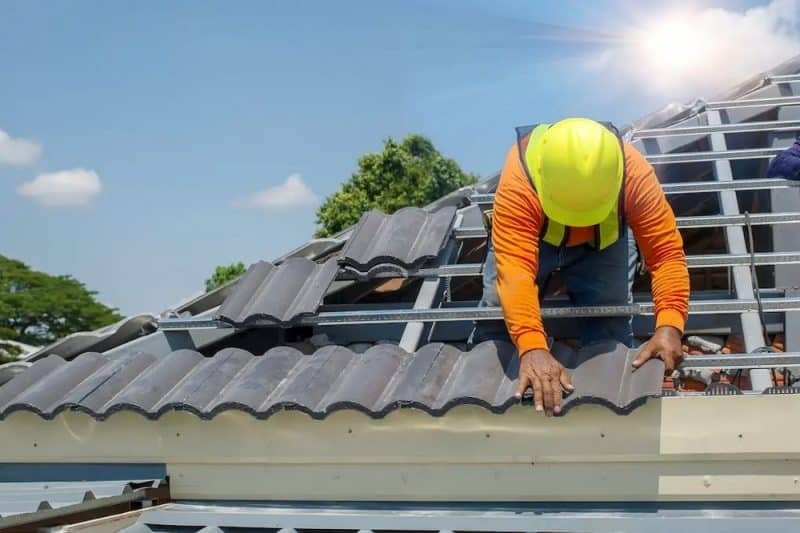
The final stage involves installing the chosen roofing material. Each section is carefully aligned and secured to ensure durability and weather resistance. Proper installation techniques are essential to prevent future issues such as lifting, leaks, or uneven wear.
Importance of Professional Installation
Roof replacement is a complex task that requires specialized knowledge, tools, and experience. While some property owners may consider handling it themselves, improper installation can lead to serious consequences, including structural damage and safety hazards.
Professional contractors understand how to assess underlying issues, select appropriate materials, and install roofing systems according to industry standards. Their expertise ensures that every layer of the roof functions correctly, from waterproofing to ventilation.
A professionally executed roof replacement also provides long-term peace of mind. Proper installation reduces the likelihood of future repairs and ensures that the roof performs effectively under various weather conditions. Additionally, professional work often comes with warranties that offer financial protection in case of unexpected issues.
How Weather Conditions Affect Roofing Systems
Weather plays a significant role in the performance and lifespan of any roof. Heavy rainfall can expose weak points in the structure, while strong winds can lift or dislodge improperly secured materials. Snow accumulation adds weight and moisture, which can strain the roof’s structural capacity.
Extreme heat is equally damaging, as prolonged exposure to sunlight can cause materials to expand, fade, and lose flexibility. Over time, this constant exposure weakens protective layers and increases vulnerability to cracks and leaks.
Understanding local climate conditions is essential when selecting roofing materials. Some materials are better suited for hot climates, while others perform better in cold or wet environments. Choosing the right material based on environmental conditions helps extend the lifespan of the roof and reduces long-term maintenance costs.
Energy Efficiency and Modern Roofing Solutions
Modern roofing systems are designed not only for durability but also for energy efficiency. Advances in materials and installation techniques have made it possible to significantly reduce heat absorption and improve indoor temperature regulation.
Reflective roofing materials help deflect sunlight, reducing heat buildup inside the building. Improved insulation systems prevent energy loss during colder months, resulting in lower heating and cooling costs throughout the year.Proper ventilation also plays a key role in energy efficiency. By allowing hot air to escape and fresh air to circulate, ventilation systems reduce strain on HVAC systems and contribute to a more comfortable indoor environment.
A well-planned roof replacement can therefore provide long-term financial benefits by reducing energy consumption and improving overall building performance.
Common Mistakes to Avoid During Roof Replacement
One of the most common mistakes property owners make is delaying replacement until damage becomes severe. Waiting too long can result in structural deterioration, mold growth, and interior damage that significantly increases repair costs.
Another mistake is choosing materials based solely on cost rather than quality and suitability. While budget considerations are important, low-quality materials often lead to frequent repairs and shorter lifespan, ultimately increasing long-term expenses.
Improper installation is another critical issue. Even high-quality materials will fail if they are not installed correctly. This includes incorrect alignment, poor sealing, and inadequate fastening, all of which can lead to premature failure.Finally, neglecting regular inspections after replacement can reduce the lifespan of the new roof. Routine maintenance helps identify small issues before they develop into major problems.
Long-Term Value of Roof Replacement
Investing in roof replacement is not just about fixing existing problems; it is about securing long-term protection for the entire structure. A new roof enhances property value, improves curb appeal, and provides stronger defense against environmental elements.
It also contributes to better indoor comfort, reduced maintenance costs, and improved energy efficiency. Over time, these benefits outweigh the initial investment, making roof replacement a practical and financially sound decision for property owners.
A well-installed roof can last for decades when properly maintained, offering consistent protection and stability. It serves as a critical component of the building’s overall health and ensures that the interior remains safe, dry, and comfortable regardless of external conditions.
Conclusion
Roof replacement is a significant but necessary investment for maintaining the safety and longevity of any structure. From identifying early warning signs to selecting materials and ensuring proper installation, every stage plays a crucial role in the final outcome. When handled correctly, it provides long-term protection, improved efficiency, and enhanced property value.
Rather than viewing roof replacement as a disruption, it should be seen as an opportunity to upgrade and strengthen one of the most important parts of a building. With proper planning, quality materials, and professional execution, a new roof can deliver decades of reliable performance and peace of mind.
