
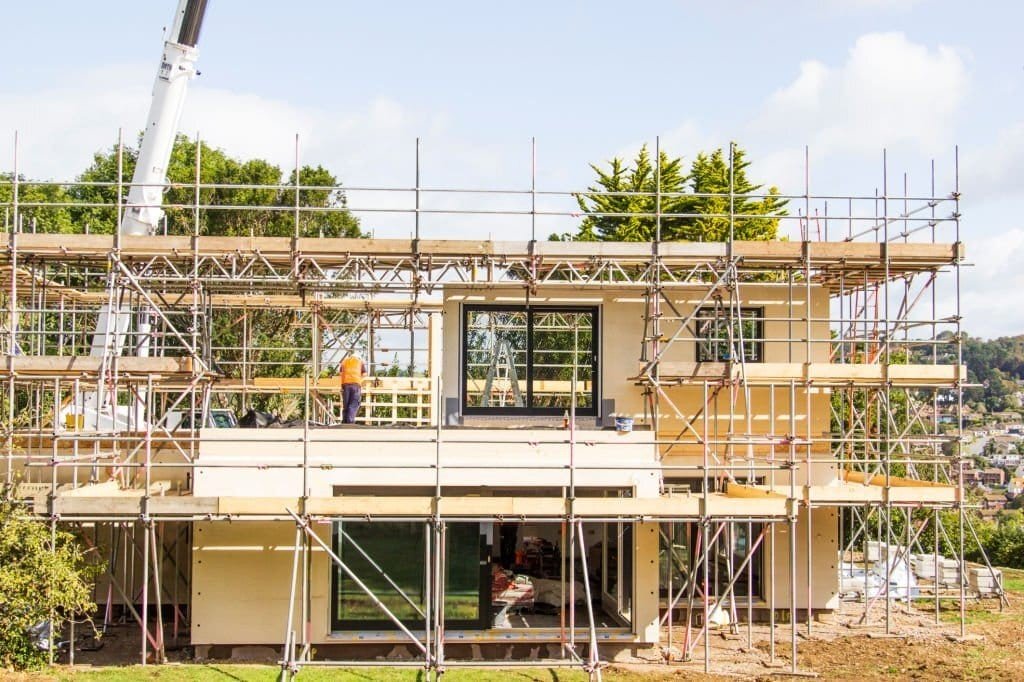
Introduction
A home is more than just a structure made of walls, floors, and a roof. It is a place where individuals and families create memories, build relationships, and establish a sense of comfort and security. While pre-designed houses offer convenience and speed, many homeowners seek a residence that reflects their unique lifestyle, preferences, and long-term goals. This desire for personalization has led to the growing popularity of custom home building, a process that allows homeowners to create living spaces specifically designed around their needs and vision.
Unlike standard residential developments where layouts and features are predetermined, custom construction provides greater flexibility in design, materials, functionality, and aesthetics. From architectural style and floor plans to energy efficiency and smart home integration, every detail can be tailored to meet specific requirements. This level of customization ensures that the finished residence is not only visually appealing but also highly functional for the people who will live in it.
As modern homeowners place greater emphasis on personalization, sustainability, and long-term value, custom residential construction continues to gain momentum. Understanding the process, benefits, challenges, and planning considerations involved can help prospective homeowners make informed decisions when embarking on this significant investment.
Understanding the Concept of Personalized Residential Construction
Personalized residential construction differs significantly from purchasing an existing property or selecting a home from a standardized development plan. In a traditional housing development, builders often offer limited choices regarding finishes, fixtures, and minor layout adjustments. While these options provide some flexibility, the overall structure and design remain largely fixed.
In contrast, custom home building begins with a blank canvas. Homeowners work closely with architects, designers, engineers, and construction professionals to create a residence tailored to their specific needs. Every aspect of the project, from room placement and ceiling heights to material selections and exterior design, is planned according to the homeowner’s vision.
This collaborative approach allows for greater creativity and functionality. Families can design spaces that support their daily routines, accommodate future needs, and align with their personal preferences. The result is a residence that reflects both lifestyle and individuality.
The Planning Phase: Establishing a Strong Foundation
Every successful construction project begins with careful planning. Before any physical work takes place, homeowners must define their goals, priorities, and budget. This stage involves evaluating factors such as property size, desired architectural style, family requirements, and long-term expectations.
Site selection is often one of the first major decisions. The location of the property influences everything from design possibilities and construction costs to future resale value. Topography, soil conditions, local regulations, and utility access all play a role in determining the suitability of a site for development.During this phase, homeowners also work with design professionals to create preliminary concepts and floor plans. These early discussions establish the framework for the entire project and help ensure that expectations align with practical construction considerations.
Architectural Design and Personalization Opportunities
One of the most appealing aspects of personalized residential construction is the ability to influence every element of the home’s design. Architectural choices can range from traditional and contemporary styles to highly innovative and unique concepts that reflect individual tastes.The design process involves balancing aesthetics with functionality. Open floor plans, dedicated office spaces, entertainment areas, and multi-generational living arrangements are examples of features that can be incorporated to suit specific lifestyles. Homeowners may also prioritize natural lighting, outdoor living spaces, or specialized rooms designed for hobbies and recreation.
The flexibility offered through custom home building allows individuals to create spaces that support their current needs while remaining adaptable for future changes. This forward-thinking approach contributes to long-term satisfaction and usability.The materials used in residential construction significantly influence durability, maintenance requirements, energy efficiency, and overall appearance. Personalized projects provide homeowners with the opportunity to select materials based on their preferences, budget, and performance expectations.
Exterior materials such as brick, stone, wood, and modern composite products each offer distinct advantages. Interior finishes, including flooring, cabinetry, countertops, and fixtures, can be chosen to match the desired aesthetic and functional requirements.
Quality construction practices are equally important. Skilled craftsmanship ensures that materials are installed correctly and perform as intended over time. Investing in high-quality materials and experienced professionals often results in lower maintenance costs and greater long-term value.
The Role of Technology in Modern Home Construction
Technological advancements have transformed residential construction in recent years. Smart home systems, energy management technologies, and advanced building materials have become increasingly common in new homes. These innovations enhance convenience, efficiency, and overall quality of life.Many homeowners incorporate features such as automated lighting, climate control systems, security monitoring, and integrated entertainment technologies. These systems can often be controlled remotely, providing greater flexibility and convenience.
Energy-efficient technologies also play a significant role in modern residential design. High-performance insulation, energy-efficient windows, and renewable energy solutions contribute to lower utility costs and reduced environmental impact. Through custom home building, homeowners can seamlessly integrate these technologies into the design from the outset.Environmental awareness has become an important consideration in residential construction. Homeowners increasingly seek sustainable solutions that reduce resource consumption and support long-term environmental goals. This shift has led to the adoption of green building practices and environmentally responsible materials.
Sustainable construction strategies may include energy-efficient appliances, solar energy systems, water conservation technologies, and environmentally friendly building materials. Proper orientation of the home can also improve energy performance by maximizing natural light and reducing heating and cooling demands.Incorporating sustainability into custom home building not only benefits the environment but also contributes to long-term cost savings through reduced energy and maintenance expenses.
Budgeting and Financial Considerations
Financial planning is a critical component of any construction project. Establishing a realistic budget helps ensure that design aspirations align with available resources. Costs can vary significantly depending on factors such as location, size, material selections, labor rates, and site conditions.A comprehensive budget should account for design fees, permits, construction costs, landscaping, and potential contingencies. Unexpected expenses can arise during any project, making it important to allocate funds for unforeseen circumstances.
While personalized construction often involves a higher initial investment compared to purchasing a standard home, many homeowners view the additional cost as worthwhile due to the enhanced functionality, quality, and long-term satisfaction it provides.The construction phase requires careful coordination among multiple professionals, including architects, engineers, contractors, and specialized trades. Effective communication and project management are essential for maintaining schedules, controlling costs, and ensuring quality standards.
Project managers oversee daily operations, coordinate inspections, and address any challenges that arise during construction. Their role is critical in ensuring that the project progresses smoothly and remains aligned with design specifications.Regular communication between homeowners and the construction team helps maintain transparency and allows for timely decision-making throughout the process.
Challenges and Considerations During Construction
Although personalized residential construction offers numerous benefits, it also presents certain challenges. Design changes during construction can affect timelines and budgets, making it important to finalize plans as early as possible.
Weather conditions, material availability, and regulatory approvals can also impact project schedules. Additionally, coordinating multiple trades and ensuring consistent quality across all aspects of construction requires careful oversight.Understanding these potential challenges allows homeowners to approach the process with realistic expectations and a greater appreciation for the complexity involved.
One of the most significant advantages of custom home building is the ability to create a residence that aligns precisely with individual needs and preferences. This level of personalization often results in greater comfort, functionality, and satisfaction compared to standardized housing options.
Customized layouts can improve daily living experiences by supporting specific routines and lifestyle requirements. Features designed with future needs in mind can also enhance long-term usability and adaptability.From an investment perspective, high-quality personalized homes often maintain strong market appeal due to their unique features and superior construction standards.
Enhancing Property Value Through Thoughtful Design
Strategic design choices can significantly influence property value. Functional floor plans, energy-efficient features, and high-quality materials contribute to both immediate enjoyment and long-term resale potential.
Outdoor living spaces, modern kitchens, flexible room configurations, and sustainable technologies are particularly attractive to future buyers. These elements not only improve current living conditions but also increase market competitiveness should the property be sold in the future.The flexibility inherent in custom home building allows homeowners to prioritize features that provide lasting value and broad appeal.
The future of residential construction is likely to be shaped by continued advancements in technology, sustainability, and design innovation. Smart home integration, renewable energy systems, and adaptive living spaces are expected to become increasingly common.
Builders are also exploring new construction methods that improve efficiency and reduce environmental impact. Modular construction techniques, advanced materials, and digital design tools are transforming how homes are planned and built.These innovations will continue to expand the possibilities available to homeowners seeking personalized living environments.
Conclusion
Building a personalized residence is one of the most significant investments many individuals will make in their lifetime. It offers the opportunity to create a home that reflects unique preferences, supports daily routines, and accommodates future needs. Through thoughtful planning, quality construction, and collaborative design, homeowners can achieve a living environment that is both functional and inspiring.
The flexibility and personalization offered by custom home building allow individuals to move beyond standardized housing options and create spaces tailored specifically to their vision. From architectural design and material selection to sustainability and technological integration, every aspect of the home can be customized to support long-term comfort and value.
Ultimately, custom home building represents more than a construction process; it is a pathway to creating a personalized living experience that aligns with lifestyle, aspirations, and future goals. When approached with careful planning and professional guidance, custom home building can result in a residence that provides satisfaction, efficiency, and lasting value for generations to come.
