
Performance
Plumbing systems are among the most important yet often overlooked components of any residential, commercial, or industrial property. While water supply lines receive significant attention, drainage systems work quietly in the background to remove wastewater and maintain sanitation. When drains function properly, they are virtually unnoticed. However, when blockages develop, they can quickly disrupt daily activities, create unpleasant odors, and even cause costly property damage. This is why drain cleaning plays a critical role in maintaining the efficiency, safety, and longevity of plumbing systems.
Over time, drains naturally accumulate debris such as grease, soap residue, food particles, hair, mineral deposits, and other materials. These substances gradually build up inside pipes, restricting water flow and increasing the risk of clogs. Without proper maintenance, minor drainage issues can develop into major plumbing problems that require extensive repairs. Understanding how drainage systems work and why routine cleaning is important can help property owners protect their plumbing infrastructure and avoid unnecessary expenses.
Understanding How Drainage Systems Function
Drainage systems are designed to transport wastewater away from sinks, showers, toilets, appliances, and other fixtures. Unlike water supply systems, which rely on pressure to deliver water, drainage networks typically depend on gravity to move wastewater through pipes and into municipal sewer systems or private treatment facilities.
For a drainage system to operate effectively, pipes must remain clear and unobstructed. Water should flow smoothly through the network without resistance. When debris accumulates, it narrows the internal diameter of pipes, slowing drainage and creating opportunities for complete blockages to develop.
Ventilation also plays an important role in drainage performance. Plumbing vents regulate air pressure within the system, allowing wastewater to flow efficiently and preventing sewer gases from entering occupied spaces. Together, pipes and vents create a balanced system that supports reliable wastewater removal.
When any part of this system becomes obstructed, performance declines. This is why regular drain cleaning is essential for maintaining proper flow and preventing disruptions.
Common Causes of Drain Blockages
Drain clogs can develop gradually or occur suddenly depending on the materials entering the plumbing system. In kitchens, grease is one of the most common causes of blockages. Although grease may appear liquid when warm, it often solidifies as it cools, adhering to pipe walls and trapping other debris.
Bathroom drains frequently become clogged due to hair, soap residue, and personal care products. These materials combine to form dense obstructions that restrict water flow and create persistent drainage problems.
In commercial settings, food waste, paper products, and foreign objects may contribute to blockages. Industrial facilities may encounter additional challenges related to sediment, chemicals, or process-related waste.
Outdoor drainage systems are also vulnerable to tree root intrusion, soil movement, and debris accumulation. Roots can enter pipes through small cracks and continue growing inside the system, creating severe obstructions that require specialized removal methods.
Understanding these causes helps property owners adopt practices that reduce blockage risks and support long-term plumbing performance.
Warning Signs That Drains Need Attention
Drainage problems often begin with subtle warning signs before developing into major issues. One of the earliest indicators is slow water movement in sinks, showers, or floor drains. When water takes longer than usual to drain, it often suggests that debris is accumulating inside the pipe.
Unpleasant odors are another common warning sign. Organic material trapped within drains can decompose over time, producing foul smells that spread throughout the property. These odors may become more noticeable during periods of increased usage.
Gurgling sounds can also indicate developing blockages. These noises occur when air becomes trapped within the drainage system due to restricted flow. As water moves through partially blocked pipes, pressure fluctuations create unusual sounds.
Recurring clogs are particularly concerning because they often signal deeper issues within the plumbing network. In such cases, professional drain cleaning may be necessary to address the root cause rather than repeatedly treating symptoms.
The Importance of Routine Drain Maintenance
Many plumbing problems can be prevented through regular maintenance. Routine cleaning helps remove buildup before it develops into significant blockages, preserving flow capacity and reducing stress on the system.
Preventive maintenance also extends the lifespan of pipes by minimizing corrosion, pressure fluctuations, and material deterioration. Clean drains are less likely to experience backups, leaks, or structural damage caused by excessive strain.
For businesses, routine maintenance is especially important because plumbing disruptions can affect operations, customer experiences, and regulatory compliance. Scheduled cleaning programs help ensure that drainage systems remain reliable and efficient.
Residential properties benefit as well. Homeowners who invest in preventive maintenance often avoid emergency repairs and enjoy greater confidence in their plumbing systems.
Professional Drain Cleaning Methods
Professional plumbers use a variety of techniques to clean drains effectively and safely. The most appropriate method depends on the type and severity of the blockage.
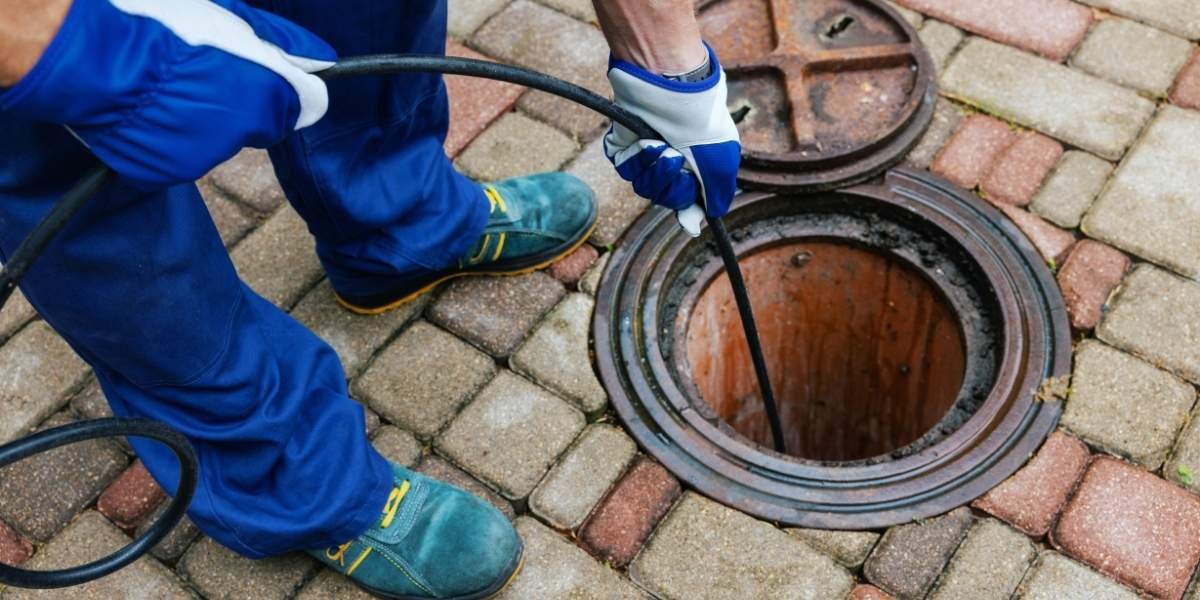
Mechanical drain augers, often called drain snakes, are commonly used to break apart and remove localized obstructions. These tools extend into pipes and physically clear debris without causing significant disruption to the plumbing system.
Hydro jetting is another highly effective method. This process uses high-pressure water streams to remove grease, scale, roots, and other buildup from pipe walls. Hydro jetting not only clears blockages but also cleans the interior surface of the pipe, improving long-term flow performance.
Video inspection technology is often used to diagnose drainage problems before cleaning begins. Small cameras travel through the plumbing system, allowing technicians to identify blockages, cracks, root intrusion, or other issues with precision.
Through advanced drain cleaning techniques, professionals can restore drainage performance while minimizing the need for invasive repairs.
Risks of Ignoring Drainage Problems
Neglecting drainage issues can lead to serious consequences. A minor blockage may initially cause only slow drainage, but over time it can develop into a complete obstruction that prevents wastewater from flowing through the system.
Backups are among the most severe outcomes of untreated blockages. When wastewater cannot move through pipes, it may return through sinks, toilets, or floor drains, creating sanitation concerns and property damage.
Persistent moisture associated with drainage problems can also contribute to mold growth and structural deterioration. Water that escapes from damaged or blocked pipes may affect walls, flooring, insulation, and other building materials.
In severe cases, unresolved drainage issues can lead to pipe failure, requiring costly excavation and replacement work. Early intervention through routine maintenance helps avoid these risks and preserves system integrity.
Drain Cleaning in Commercial and Industrial Environments
Commercial and industrial facilities often face greater drainage demands than residential properties. Restaurants, hotels, healthcare facilities, and manufacturing plants generate large volumes of wastewater that can place significant stress on plumbing systems.
Grease accumulation is a major concern in food service environments, while industrial facilities may contend with sediment, chemicals, or process-related waste. These conditions require specialized maintenance strategies and more frequent inspections.
Regular drain cleaning helps businesses maintain compliance with health and safety regulations while minimizing operational disruptions. By addressing buildup before it becomes problematic, organizations can avoid costly downtime and protect critical infrastructure.
Customized maintenance programs are often developed based on facility type, usage patterns, and regulatory requirements, ensuring optimal system performance.
Environmental Benefits of Proper Drain Maintenance
Maintaining clean drains also contributes to environmental protection. Efficient drainage systems reduce the likelihood of wastewater overflows that can contaminate soil, groundwater, and nearby waterways.
Preventive maintenance supports water conservation efforts by reducing leaks and improving system efficiency. Well-maintained plumbing systems require fewer repairs and replacements, which can help reduce resource consumption over time.
Environmentally responsible cleaning methods, such as hydro jetting, rely primarily on water rather than harsh chemicals, making them a more sustainable option for maintaining drainage systems.
As sustainability becomes increasingly important in property management, proper drainage maintenance plays a valuable role in supporting environmental goals.
Preventive Practices for Property Owners
Property owners can take several simple steps to reduce the likelihood of drain blockages. Avoiding the disposal of grease, oils, and food scraps down kitchen drains is one of the most effective preventive measures.
In bathrooms, drain screens can help capture hair and debris before they enter the plumbing system. Regular flushing with hot water can also help reduce minor buildup in frequently used drains.Outdoor drainage systems should be inspected periodically to ensure that leaves, soil, and other debris do not obstruct flow. Trees planted near underground pipes should be monitored to reduce the risk of root intrusion.
While these practices can help maintain system performance, professional inspections and cleaning remain essential for addressing buildup that cannot be removed through routine household measures.Advancements in plumbing technology are improving how drainage systems are maintained and monitored. Smart sensors can detect flow abnormalities and provide early warnings of developing blockages. Digital monitoring systems allow property managers to track performance and schedule maintenance proactively.
Video inspection equipment continues to evolve, offering higher-resolution imaging and more accurate diagnostics. These innovations enable technicians to identify problems quickly and recommend targeted solutions.As technology advances, drain cleaning is becoming more efficient, less invasive, and increasingly preventive rather than reactive. This shift helps property owners maintain reliable plumbing systems while reducing long-term costs.
Conclusion: Protecting Plumbing Systems Through Proper Maintenance
Drainage systems are essential to the functionality, hygiene, and safety of any property. Although they often operate unnoticed, their performance has a direct impact on daily comfort and operational efficiency. Over time, debris accumulation, grease buildup, and other obstructions can compromise system performance and lead to costly problems.
Routine drain cleaning helps prevent blockages, preserve pipe integrity, and maintain smooth wastewater flow. Through a combination of preventive maintenance, professional expertise, and modern technology, property owners can protect their plumbing infrastructure and avoid unexpected disruptions.
Ultimately, maintaining clean drains is not just about solving current problems—it is about investing in the long-term reliability and health of the entire plumbing system. By prioritizing regular maintenance and timely intervention, residential and commercial property owners can ensure efficient performance and peace of mind for years to come.
