
Introduction
In commercial and industrial environments, access points are more than just entryways—they are critical components of daily operations, security, logistics, and safety compliance. Warehouses, manufacturing plants, distribution centers, and retail facilities rely heavily on durable overhead entry systems that can withstand frequent use and heavy loads. When these systems malfunction, it can disrupt workflows, delay shipments, and even create safety hazards for workers and equipment. This is why commercial garage door repair is an essential service for maintaining operational continuity and protecting business assets.
Unlike residential systems, commercial overhead doors are built for high-cycle performance and often integrate advanced mechanical and electronic components. These systems require specialized knowledge to diagnose issues accurately and restore functionality without compromising safety or efficiency. Understanding how these systems work, why failures occur, and how repairs are performed helps businesses make informed maintenance decisions and avoid costly downtime.
Understanding Industrial Door Systems and Their Function
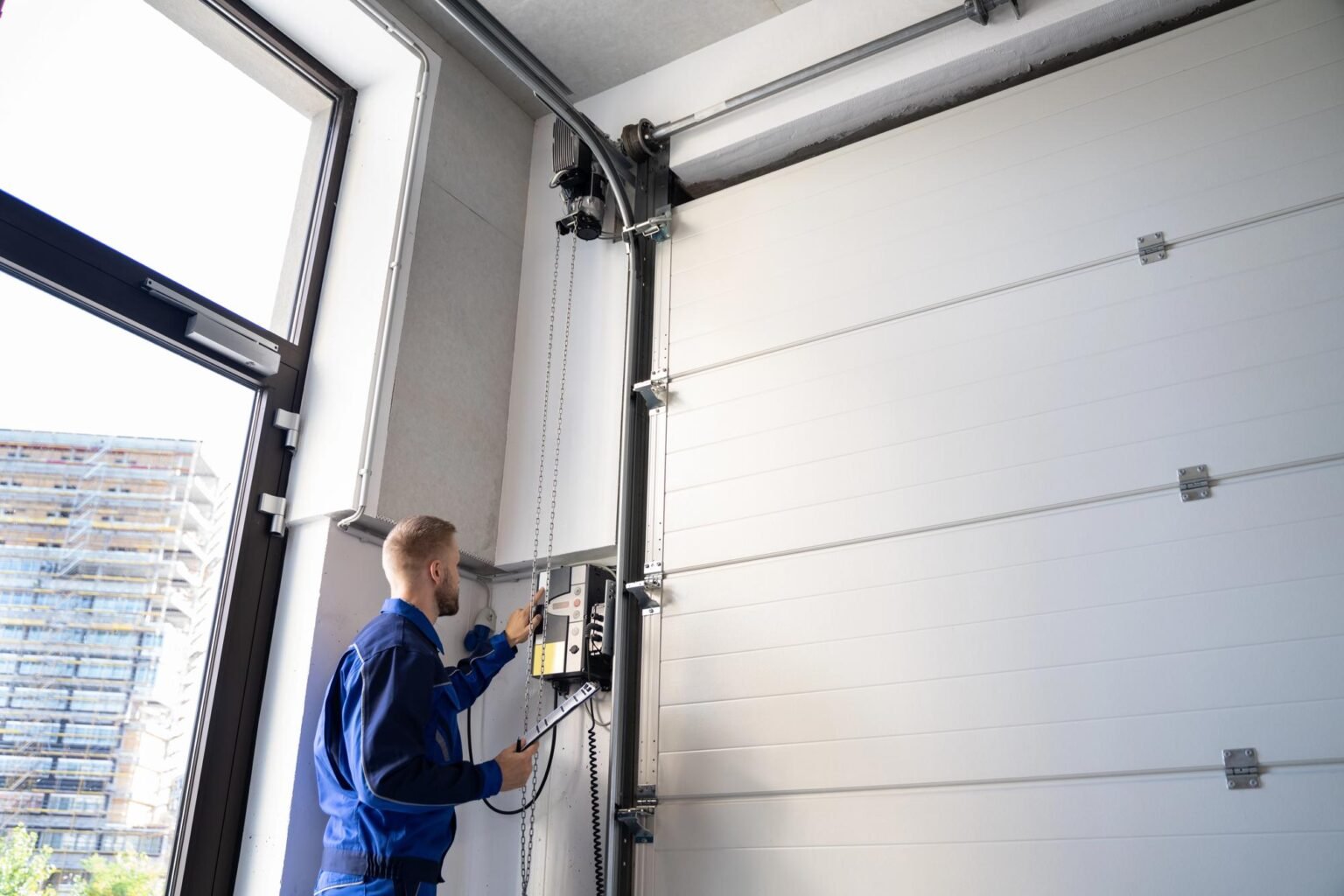
Commercial overhead doors are engineered to provide secure, efficient access to large buildings while withstanding constant usage. They typically consist of reinforced panels, heavy-duty tracks, torsion or extension spring systems, rollers, cables, and motorized openers.
Many modern systems are automated and include sensors, remote access controls, and safety mechanisms designed to prevent accidents during operation. These features are particularly important in high-traffic environments where forklifts, delivery trucks, and personnel frequently pass through entry points.Because of their complexity, commercial garage door repair often involves multiple system components working together rather than a single isolated issue. A malfunction in one part can affect the entire system’s performance.
Common Causes of Commercial Door Failures
Industrial door systems experience wear and tear due to constant use and exposure to environmental conditions. One of the most common causes of failure is spring fatigue. Torsion springs are responsible for balancing the heavy weight of the door, and over time they lose tension or break entirely due to repeated cycles.
Track misalignment is another frequent issue. When tracks become bent or shifted, the door may jam, operate unevenly, or stop functioning altogether. This can occur due to impact from equipment or gradual structural shifting.Motor and opener malfunctions are also common, especially in automated systems. Electrical faults, worn gears, or sensor failures can prevent the door from opening or closing properly.
Cable damage, roller wear, and rust buildup further contribute to system degradation. Environmental factors such as moisture, dust, and temperature fluctuations can accelerate these problems.Regular inspection and timely commercial garage door repair help prevent minor issues from escalating into complete system failure.
Warning Signs That Indicate Repair Needs
Early detection of problems is essential for preventing operational disruptions. One of the most noticeable signs of trouble is unusual noise during operation, such as grinding, squeaking, or banging sounds. These noises often indicate worn components or lack of lubrication.
Slow or uneven movement is another warning sign. If the door opens or closes at inconsistent speeds, it may indicate motor strain, track issues, or spring imbalance.Visible damage such as frayed cables, bent tracks, or cracked panels should never be ignored. These issues can worsen quickly and pose safety risks.Intermittent operation, where the door works inconsistently, often points to electrical or sensor-related problems.In industrial settings, even minor malfunctions can disrupt workflow, making timely commercial garage door repair critical for maintaining productivity.Preventive maintenance plays a major role in extending the lifespan of commercial door systems. Regular inspections help identify worn components before they fail completely.
Lubrication of moving parts reduces friction and minimizes wear on rollers, hinges, and springs. Adjusting tension systems ensures balanced operation and reduces strain on motors.
Cleaning tracks and removing debris helps maintain smooth movement and prevents obstructions. Electrical system checks ensure sensors, switches, and control panels function correctly.Routine maintenance significantly reduces the likelihood of emergency breakdowns and lowers long-term repair costs. In many cases, businesses that invest in preventive care experience fewer disruptions and improved system reliability.
Professional Repair Techniques and Solutions
Commercial door repair involves a range of specialized techniques depending on the nature of the problem. Spring replacement is one of the most common and technically demanding repairs due to the high tension involved in these components.
Track realignment is performed using precision tools to ensure smooth and balanced door movement. Damaged sections may be repaired or replaced depending on severity.Motor and opener repairs involve diagnosing electrical systems, replacing worn gears, or recalibrating sensors to restore proper function.
Cable and roller replacements are also common, especially in high-usage environments where mechanical wear occurs frequently.In many cases, technicians conduct full system diagnostics before performing commercial garage door repair to ensure all underlying issues are addressed.
Role of Safety in Industrial Door Repairs
Safety is a critical consideration when working with heavy industrial door systems. These doors can weigh hundreds of kilograms and are often under high tension, making improper handling extremely dangerous.
Technicians follow strict safety protocols, including securing the door in a fixed position before performing any repairs. Specialized tools are used to handle spring tension safely and prevent accidental release.Electrical systems are also carefully isolated before repair work begins to avoid shock hazards.
In commercial environments, ensuring safety during commercial garage door repair is not only a technical requirement but also a regulatory necessity.When a commercial door fails, the impact on business operations can be significant. Warehouses may experience delays in shipping and receiving goods, while manufacturing facilities may face production interruptions.Security can also be compromised if doors fail to close or lock properly, exposing valuable assets to risk.
Extended downtime often leads to financial losses, especially in industries that rely on fast logistics and continuous workflow.This is why rapid response and efficient repair services are essential for minimizing operational disruption.
Common Mistakes That Lead to Door Damage
Many commercial door issues arise from avoidable practices. One common mistake is ignoring early warning signs such as noise or slow movement. Small issues often escalate into major failures if not addressed promptly.Excessive manual force during operation can also damage mechanical components. Forcing a stuck door can bend tracks or strain motors.
Lack of regular maintenance is another major factor contributing to system failure. Without routine inspections, wear and tear goes unnoticed until breakdown occurs.Using unqualified personnel for repairs can also result in improper fixes that worsen the problem.
Avoiding these mistakes reduces the need for emergency commercial garage door repair and improves long-term system performance.Modern commercial doors are increasingly equipped with smart technology. Automated control systems allow remote operation, scheduling, and real-time monitoring.Sensor-based safety systems help detect obstacles and prevent accidents during operation. These systems improve workplace safety and reduce liability risks.
Predictive maintenance technologies are also emerging, allowing businesses to identify potential failures before they occur based on usage data and performance trends.These advancements are transforming how commercial garage door repair and maintenance are approached, shifting the focus from reactive repairs to proactive system management.
Conclusion Long-Term Benefits of Proper Maintenance and Repair
Proper maintenance and timely repairs offer significant long-term benefits. Well-maintained systems operate more efficiently, reducing energy consumption and mechanical strain.
They also last longer, reducing the need for frequent replacements and lowering overall operational costs.Improved safety and reliability contribute to smoother business operations and reduced risk of workplace accidents.In addition, properly functioning doors enhance security, protecting inventory, equipment, and personnel.
Commercial overhead entry systems are essential components of modern industrial and business operations. When these systems fail, the impact can be immediate and costly, affecting productivity, safety, and security.Through regular inspections, preventive maintenance, and timely commercial garage door repair, businesses can ensure reliable performance and minimize downtime. Understanding the causes of failure and addressing issues early helps extend system lifespan and improve operational efficiency.
In a fast-paced commercial environment, maintaining functional and safe access systems is not optional it is a critical part of sustaining productivity and protecting valuable assets.
