
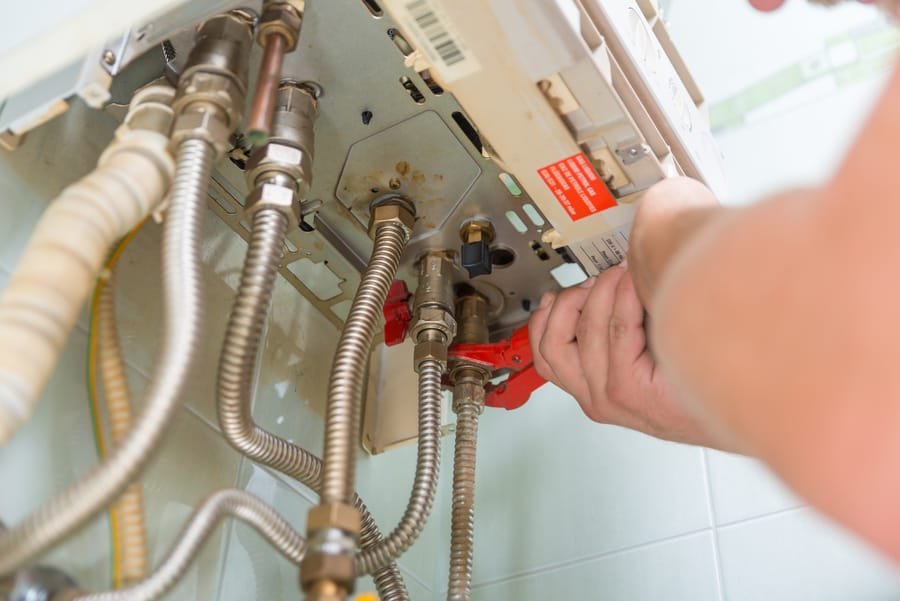
Tankless water heaters have become increasingly popular in modern homes and commercial spaces due to their energy efficiency, compact design, and ability to deliver hot water on demand. Unlike traditional storage tank systems, these units heat water only when it is needed, eliminating standby heat loss and providing a continuous supply of hot water. However, while tankless systems are highly efficient, they are not immune to wear, scaling, electrical faults, or mechanical issues. When problems arise, timely tankless water heater repair becomes essential to restore performance, maintain energy efficiency, and ensure uninterrupted hot water supply.
Because tankless systems rely on advanced sensors, heat exchangers, and flow control mechanisms, even minor issues can significantly impact performance. Understanding how these systems work, what commonly goes wrong, and how professional repair services address these problems helps property owners avoid costly breakdowns and extend the lifespan of their equipment.
How Tankless Water Heaters Work
A tankless water heater operates by heating water only when a hot water tap is turned on. Instead of storing heated water, the system activates instantly as water flows through the unit. A flow sensor detects demand, triggering the ignition system (in gas units) or electric heating elements (in electric units).
Cold water passes through a heat exchanger, where it is rapidly heated to the desired temperature before being delivered directly to faucets, showers, or appliances. Because there is no storage tank, the system provides continuous hot water as long as demand remains within its capacity.
This on-demand process makes tankless systems highly efficient, but it also means that multiple components must function perfectly at all times. Any disruption in flow sensors, burners, heating elements, or ventilation can immediately affect performance.
Common Problems That Require Tankless Water Heater Repair
Although tankless systems are designed for durability, several common issues can develop over time. One of the most frequent problems is mineral scale buildup. In areas with hard water, calcium and magnesium deposits accumulate inside the heat exchanger, restricting water flow and reducing heating efficiency. Over time, this scaling can cause overheating, error codes, or complete system shutdown.
Another common issue is ignition failure in gas-powered units. If the burner fails to ignite properly, the system cannot heat water. This may be caused by gas supply problems, dirty burners, faulty igniters, or ventilation blockages.
Flow sensor malfunctions are also common. Since tankless systems rely on sensors to detect water movement, any failure in these components can prevent the system from activating or cause inconsistent heating.
Electrical issues can affect both gas and electric models. Faulty circuit boards, damaged wiring, or power supply fluctuations may cause system errors or intermittent operation.
In some cases, temperature fluctuations occur when the unit cannot regulate heat output properly. This may be due to clogged filters, incorrect gas pressure, or failing thermostats.
Importance of Timely Tankless Water Heater Repair
Delaying repairs in a tankless system can quickly lead to more serious problems. Because these units operate under high demand and rely on precision components, small issues often escalate rapidly.
For example, untreated scale buildup can damage the heat exchanger, which is one of the most expensive components to replace. Similarly, ignoring ignition issues can lead to complete system failure or safety hazards in gas-powered units.
Timely tankless water heater repair helps maintain energy efficiency. When systems are struggling due to blockages or malfunctioning parts, they consume more energy to produce the same amount of hot water. This leads to higher utility bills and unnecessary strain on components.Prompt repairs also ensure consistent hot water supply. In households and businesses that rely on uninterrupted hot water, even short disruptions can cause inconvenience and operational challenges.
The Role of Hard Water in System Damage
Hard water is one of the leading causes of tankless water heater problems. As water flows through the system, dissolved minerals begin to settle inside the heat exchanger. Over time, this buildup restricts water flow and reduces heating efficiency.
Scale formation not only affects performance but also increases internal temperatures, which can damage sensitive components. If left untreated, scaling can shorten the lifespan of the entire unit.
Many professional repair services include descaling as part of tankless water heater maintenance. This process involves flushing the system with a specialized cleaning solution to remove mineral deposits and restore optimal performance.
Diagnostic Process in Tankless Water Heater Repair
Repairing a tankless system begins with a detailed diagnostic evaluation. Technicians first check for error codes displayed on the unit, which often indicate specific issues such as ignition failure, overheating, or sensor malfunctions.
Water flow is then tested to ensure that the system is receiving adequate pressure. Low flow can prevent the unit from activating properly. Gas pressure (in gas units) or electrical supply (in electric units) is also checked to ensure proper operation.
The heat exchanger is inspected for signs of scaling or blockage. If buildup is present, descaling procedures are recommended. Technicians also examine filters, venting systems, and internal wiring for damage or obstruction.This diagnostic approach ensures that the root cause of the problem is identified rather than just treating symptoms.
Common Repairs Performed on Tankless Systems
One of the most common repairs is descaling the heat exchanger. This process restores proper water flow and heating efficiency by removing mineral buildup.
Replacing faulty flow sensors is another frequent repair. When sensors fail, the system may not detect water movement correctly, resulting in no hot water or inconsistent operation.Igniter and burner repairs are common for gas systems. Cleaning or replacing these components helps restore proper ignition and combustion.
Circuit board repairs or replacements may be required when electrical issues affect system operation. Since the control board manages system functions, any malfunction can disrupt performance.In some cases, clogged inlet filters or venting systems are cleaned or replaced to restore proper water and airflow.
Maintenance Practices That Prevent Major Repairs
Regular maintenance is essential for preventing tankless water heater issues. One of the most important maintenance tasks is periodic descaling, especially in areas with hard water. This helps prevent mineral buildup and ensures efficient heat transfer.
Cleaning water filters helps maintain proper flow and prevents debris from entering the system. Inspecting gas lines, vents, and electrical connections also ensures safe and reliable operation.
Annual professional servicing is highly recommended. During maintenance visits, technicians can identify early signs of wear and address minor issues before they become major repairs.Proper maintenance not only improves performance but also extends the lifespan of the system significantly.
There are several warning signs that indicate the need for tankless water heater repair. One of the most common is inconsistent water temperature. If water suddenly becomes too hot or too cold, the system may be struggling to regulate heat output.Reduced water flow is another sign of trouble. This is often caused by scaling or clogged filters restricting water movement through the unit.
Error codes displayed on the control panel are also important indicators. Modern tankless systems are designed to detect and report internal issues automatically.Strange noises such as clicking, popping, or rumbling may indicate scaling or ignition problems.A complete lack of hot water is the most obvious sign of system failure and requires immediate attention.
Benefits of Professional Repair Services
Professional tankless water heater repair services offer several advantages over DIY attempts. Technicians have specialized tools and training to safely diagnose and repair complex systems.Professional repair ensures accurate identification of issues, reducing the risk of repeated failures. It also helps maintain warranty coverage, which may be voided by unauthorized repairs.
Safety is another important factor, especially for gas-powered units. Improper handling of gas lines or electrical components can create serious hazards.Professional servicing also improves long-term performance by ensuring that all components are properly calibrated and functioning efficiently.
Proper maintenance and timely repairs significantly extend the lifespan of tankless water heaters. These systems can last many years when properly maintained, offering long-term energy savings and reliable hot water supply.Efficient operation reduces energy consumption, lowering utility costs over time. Preventive care also minimizes the likelihood of emergency breakdowns, ensuring consistent performance even during peak usage periods.
From a financial perspective, investing in regular maintenance and timely repairs is far more cost-effective than replacing major system components or the entire unit.
Conclusion
Tankless water heaters provide an efficient and modern solution for on-demand hot water, but they require proper care to maintain performance. Issues such as scaling, ignition failure, sensor malfunctions, and flow restrictions can all impact system reliability if left unaddressed.
Timely tankless water heater repair ensures consistent hot water supply, improves energy efficiency, and extends the lifespan of the system. Through proper diagnostics, professional servicing, and regular maintenance, property owners can avoid costly breakdowns and enjoy uninterrupted comfort.
When maintained correctly, tankless water heaters offer long-term value, efficiency, and convenience—making them a reliable choice for modern hot water needs.
