
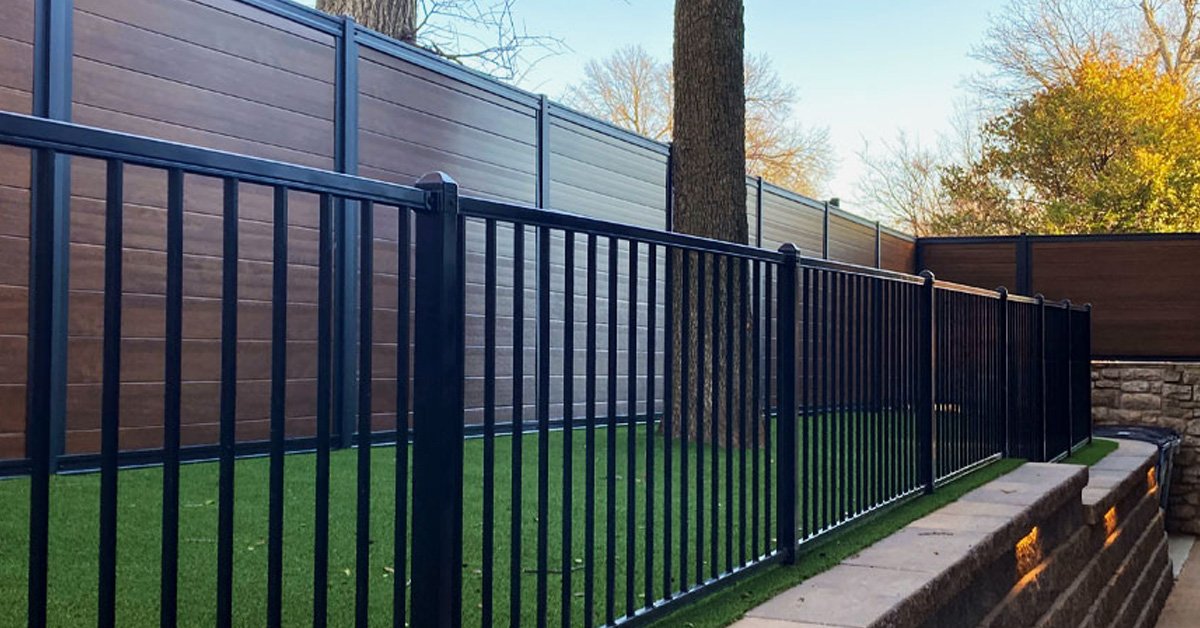
An aluminum fence is a modern fencing solution widely used for residential, commercial, and industrial properties due to its combination of durability, low maintenance, and aesthetic versatility. It is designed to provide security, boundary definition, and decorative appeal without the heavy upkeep required by traditional materials like wood or iron. Over the years, aluminum fencing has become increasingly popular among property owners who want a long-lasting and visually appealing alternative that performs well in various weather conditions.
Unlike wood, which can rot, or iron, which can rust, aluminum offers natural resistance to corrosion and environmental wear. This makes it particularly suitable for outdoor installations exposed to rain, humidity, and temperature fluctuations. Its lightweight structure also makes installation easier while still providing strong and reliable protection.
Understanding How Aluminum Fencing Works
Aluminum fencing systems are constructed using prefabricated panels, posts, and rails that are assembled on-site. The design typically mimics traditional wrought iron fencing, offering a similar elegant appearance but with improved durability and reduced maintenance requirements.
The fence panels are attached to vertical posts that are securely anchored into the ground using concrete or other stabilizing materials. Horizontal rails connect the panels and provide structural integrity. The entire system is engineered to remain stable while allowing airflow and visibility, making it ideal for both security and decorative purposes.
Because aluminum does not rust, it retains its structural integrity even in harsh environmental conditions. Protective powder coatings are often applied to enhance durability and provide additional resistance against scratches, fading, and corrosion.
Benefits of Aluminum Fencing
One of the primary advantages of aluminum fencing is its long-term durability. Unlike wood, which can deteriorate over time, or steel, which may rust, aluminum remains stable and resistant to environmental damage. This makes it a cost-effective solution over the long term.
Low maintenance is another major benefit. Aluminum fences do not require regular painting, staining, or sealing. Occasional cleaning with water and mild soap is usually sufficient to maintain their appearance.
Aesthetic versatility is also a key advantage. Aluminum fences are available in a wide range of styles, colors, and designs, allowing property owners to match the fencing with architectural themes and landscaping.
Security is another important benefit. While aluminum fences are not as heavy as steel, they still provide a strong barrier that helps define property boundaries and deter unauthorized access.In addition, aluminum fencing is environmentally friendly. Many aluminum materials are recyclable, making it a sustainable choice for eco-conscious property owners.
Common Uses of Aluminum Fencing
Aluminum fencing is widely used in residential properties for backyard enclosures, pool fencing, and decorative perimeter boundaries. Its sleek appearance and customizable designs make it a popular choice for enhancing curb appeal.In commercial settings, aluminum fences are often used for securing business properties, parking lots, and outdoor equipment areas. They provide a professional appearance while maintaining visibility and security.
Industrial applications may include perimeter protection for facilities that require controlled access without obstructing visibility or airflow.Municipal and public spaces also use aluminum fencing for parks, schools, and recreational areas due to its durability and low maintenance requirements.
Types and Styles of Aluminum Fences
There are several styles of aluminum fencing, each designed to meet different functional and aesthetic needs.
Flat-top fences are commonly used in residential areas where safety and simplicity are priorities. These designs feature smooth tops without pointed edges, making them ideal for homes with children or pets.Spear-top fences offer a more decorative and security-focused design. The pointed tops help deter climbing while adding a traditional ornamental appearance.
Privacy aluminum fences are designed with closely spaced panels or added inserts that reduce visibility while still maintaining durability and style.Pool fencing is specifically designed to meet safety regulations, providing a secure barrier around swimming areas while maintaining visibility for supervision.Decorative fences focus primarily on aesthetics, often featuring intricate designs and custom finishes to enhance property appearance.
Aluminum Fence Installation Process
Proper installation is essential for ensuring the stability and longevity of an aluminum fence. The process begins with planning and layout, where property boundaries are measured and marked to determine post placement.
Once the layout is established, holes are dug for the fence posts. These posts are then set in concrete to provide a stable foundation. Proper alignment is crucial during this stage to ensure that the fence remains level and straight.After the posts are secured, horizontal rails are attached between them. These rails form the structural framework that supports the fence panels.
The panels or pickets are then installed within the framework, ensuring consistent spacing and alignment. Finally, gates are added if required, and all components are checked for stability and proper function.Because aluminum fencing systems are often modular, installation is generally faster compared to traditional fencing materials.
Maintenance Requirements for Aluminum Fences
One of the most attractive features of aluminum fencing is its minimal maintenance requirements. Unlike wood fences that require staining or sealing, aluminum fences typically need only occasional cleaning.Dirt and debris can be removed using water and mild detergent. In most cases, a simple rinse is enough to restore the fence’s appearance.
Periodic inspections are recommended to ensure that posts remain stable and that gates operate smoothly. Loose hardware should be tightened as needed.Because aluminum is resistant to rust and corrosion, it does not require protective coatings like iron or steel fences. However, maintaining the powder-coated finish helps preserve its appearance over time.
Common Problems with Aluminum Fencing
Although aluminum fencing is highly durable, it can still experience certain issues over time. One common problem is physical damage caused by impact. Because aluminum is lightweight, strong force can bend or dent sections of the fence.Loose posts may also develop if the ground shifts or if installation was not properly reinforced with concrete. This can affect the stability of the entire structure.
Gate misalignment is another issue that may occur over time due to frequent use or ground movement. This can cause difficulty in opening or closing gates smoothly.Fading of powder-coated finishes may occur after long-term exposure to sunlight, although this process is typically slow and minimal compared to other materials.
Advantages Over Other Fencing Materials
Compared to wood fencing, aluminum requires significantly less maintenance and does not suffer from rot, insect damage, or warping. This makes it a more durable long-term solution.
When compared to steel or wrought iron fencing, aluminum is lighter and more resistant to rust, reducing maintenance needs while still offering a similar appearance.Vinyl fencing may offer low maintenance as well, but aluminum generally provides greater strength and a more premium aesthetic.
Overall, aluminum fencing offers a balanced combination of durability, appearance, and ease of maintenance that makes it suitable for a wide range of applications.Aluminum fences provide reliable perimeter security, especially when designed with appropriate height and spacing. While they may not be as strong as steel barriers, they are effective for defining boundaries and deterring unauthorized entry.
For residential use, aluminum fencing is often used around pools to enhance safety and comply with local regulations. Proper gate locking mechanisms further enhance security.In commercial applications, aluminum fencing helps control access to restricted areas while maintaining visibility for surveillance purposes.
Environmental Impact and Sustainability
Aluminum fencing is considered an environmentally friendly option due to the recyclability of aluminum materials. Many manufacturers use recycled aluminum in production, reducing the demand for raw material extraction.The long lifespan of aluminum fences also contributes to sustainability by reducing the need for frequent replacements and minimizing material waste.
Because it requires little maintenance and no chemical treatments, aluminum fencing also reduces environmental impact over time.Selecting the right aluminum fence depends on factors such as purpose, design preference, security requirements, and budget. Homeowners may prioritize decorative styles, while commercial properties may focus on durability and security.
Height, spacing, and gate design should be carefully considered based on intended use. For example, pool fencing must comply with safety standards, while perimeter fencing may require taller panels for enhanced security.Working with experienced installers ensures proper selection and installation based on property-specific needs.
Conclusion
Aluminum fencing is a versatile, durable, and low-maintenance solution for property owners seeking long-term security and aesthetic appeal. Its resistance to corrosion, lightweight structure, and design flexibility make it suitable for a wide range of residential, commercial, and public applications.
While it may not offer the same heavy-duty strength as steel, its balance of durability, appearance, and ease of maintenance makes it a practical and cost-effective choice. With proper installation and minimal upkeep, an aluminum fence can provide decades of reliable performance while enhancing the overall appearance and value of a property.Ultimately, aluminum fencing represents a modern approach to boundary protection—combining functionality, style, and sustainability in one efficient system.
