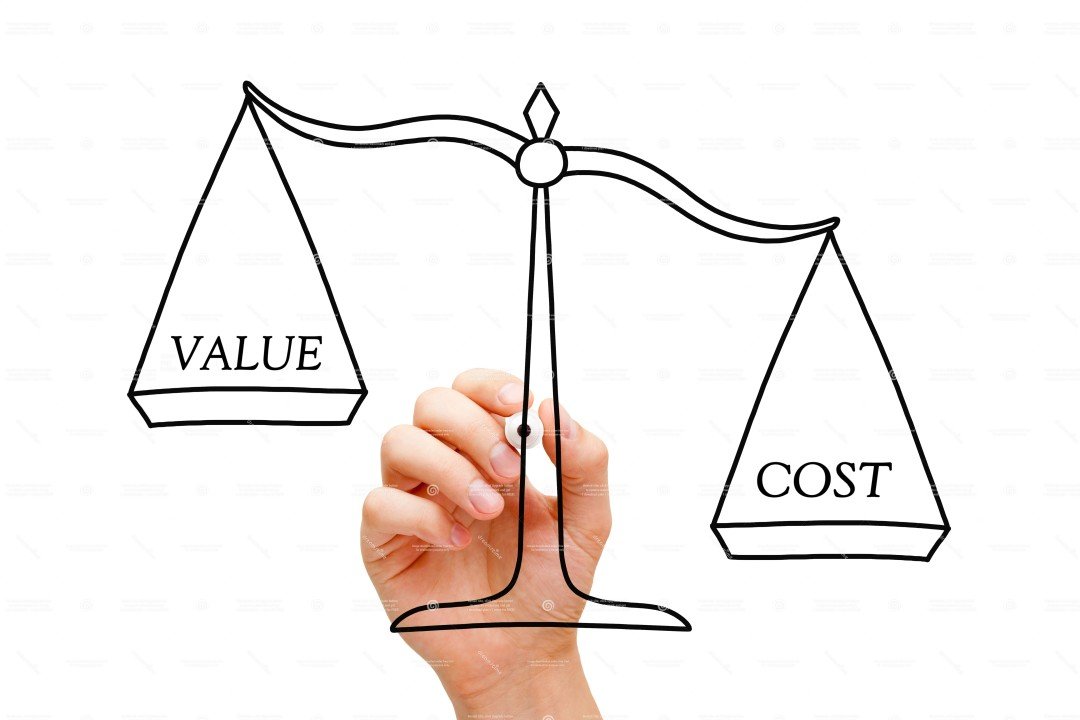
Every business faces a moment when it must choose between a lower-priced supplier and a more reputable one with higher rates. The temptation to go for the cheaper option is understandable. After all, budgets matter, and cost control is a valid priority. But when decisions hinge solely on price, the true meaning of “value” often gets lost in the process.
Real value extends beyond initial savings to include reliability, quality, service, and the ability to support your long-term goals. For instance, a provider offering a comprehensive payroll management system like Maya Business Deposit may seem like a costly investment at first, but its ability to streamline operations, reduce errors, and ensure compliance through batch transfers, scheduled transfers, and free transfers can deliver far greater returns over time.
Simply put, evaluating suppliers and partners requires more than comparing quotes. It’s about understanding what you’re getting for what you spend. A balanced cost-versus-value mindset leads to smarter decisions and more resilient, sustainable business relationships.
In that regard, this article explores how to apply the cost-versus-value mindset through practical tips for making choices that support both operational efficiency and long-term growth.
From Price Tag to Total Cost of Ownership (TCO)
Imagine you’re choosing between two potential partners: one offers the lowest price, while the other costs slightly more but comes with strong technical support and reliable delivery. At first glance, the cheaper choice seems smart. When you factor in time lost due to delays, errors, replacements, or poor communication, however, the value gap becomes harder to ignore.
Cost reflects what you pay today, while value reveals what you gain in the long run. A supplier with higher rates might not only offer better materials but also faster turnaround or specialized expertise that improves your workflow. Evaluating this equation means looking past the numbers and assessing how each partner supports your broader goals.
The key is to connect a supplier’s strengths with measurable outcomes, whether that’s improved productivity, fewer disruptions, reduced risk, or stronger customer satisfaction. When you focus on total impact rather than upfront cost, you’re making a decision that supports sustainable results.
Prioritizing Quality and Operational Reliability
A single delay from a key supplier can derail your entire schedule. Let’s say you’ve promised delivery to a client, but your materials haven’t arrived because the vendor missed a deadline. In situations like these, any cost savings quickly dissolve under the pressure of lost time and damaged trust.
Reliability is a cornerstone of value. Before committing, take time to review each supplier’s track record. How consistently do they deliver on time? Can they maintain quality across large orders or tight timelines? To gauge dependability, ask for service-level agreements, client references, or performance metrics.
A supplier that adheres to commitments might charge more, but the operational stability is worth the cost. Over time, this consistency helps you avoid disruptions and protect your reputation with clients.
Future-Proofing Your Business
Growth introduces new demands. What fits your business today might be inadequate tomorrow if your supplier can’t expand capacity or adapt to change. A vendor that’s unable to scale may eventually hold your business back, forcing you to restart your search just when you need momentum.
That’s why scalability is important when assessing value. A supplier that invests in technology or continuous improvement signals readiness to grow with your business. So, when evaluating vendors, ask whether they can handle seasonal spikes, increased orders, or product diversification. Their willingness to upgrade systems or integrate digital tools reflects their long-term commitment.
Beyond logistics, consider the working relationship. A good cultural fit, built on shared communication styles, mutual accountability, and aligned goals, can make the difference between friction and flow. A scalable and adaptable partner doesn’t just meet your needs but helps you move forward with confidence.
Assessing Total Support and Communication
More than just a service layer, support is a sign of how much a supplier values your business. Even the best products lose their shine when paired with slow responses or vague updates. Delayed replies, unclear timelines, or unacknowledged issues can quietly erode trust and stall progress.
Look early for signs of responsiveness in a supplier. Do they communicate proactively? Are support channels easy to access and staffed by people who understand your needs? Whether it’s a dedicated account manager or a responsive digital platform, the right setup can make collaboration smoother and more resilient.
And never underestimate the human element either. Suppliers who not only listen well but also follow through and stay transparent during both routine and high-stakes moments are the ones who earn long-term trust. In the end, strong communication is part of the value you’re paying for.
Ethical Alignment and Shared Principles
Modern businesses don’t just buy products; they buy into principles. A growing number of companies now evaluate suppliers based on ethics, transparency, and sustainability. In an age where reputations travel fast, associating with partners that cut corners or disregard fair practices can damage your brand.
It’s worth asking whether your suppliers reflect your standards. Do they pay fair wages? Are they transparent about sourcing and compliance? Ethics aside, credible partners also provide responsive customer service. When issues arise, you want a vendor who communicates openly and resolves matters quickly instead of deflecting responsibility.
Working with value-aligned partners builds trust across your entire supply chain. These shared principles turn a commercial relationship into a long-term alliance, one where both sides succeed by doing right by each other and their customers.
Choosing suppliers and partners is one of the most strategic decisions a business can make. While cost is a crucial factor, it should never be the sole driver. Instead, seek true value, one that encompasses reliability, adaptability, ethical standards, and alignment with your long-term goals. When you evaluate partnerships through this broader lens, you position your company for sustainable growth and lasting resilience in an ever-changing market.