
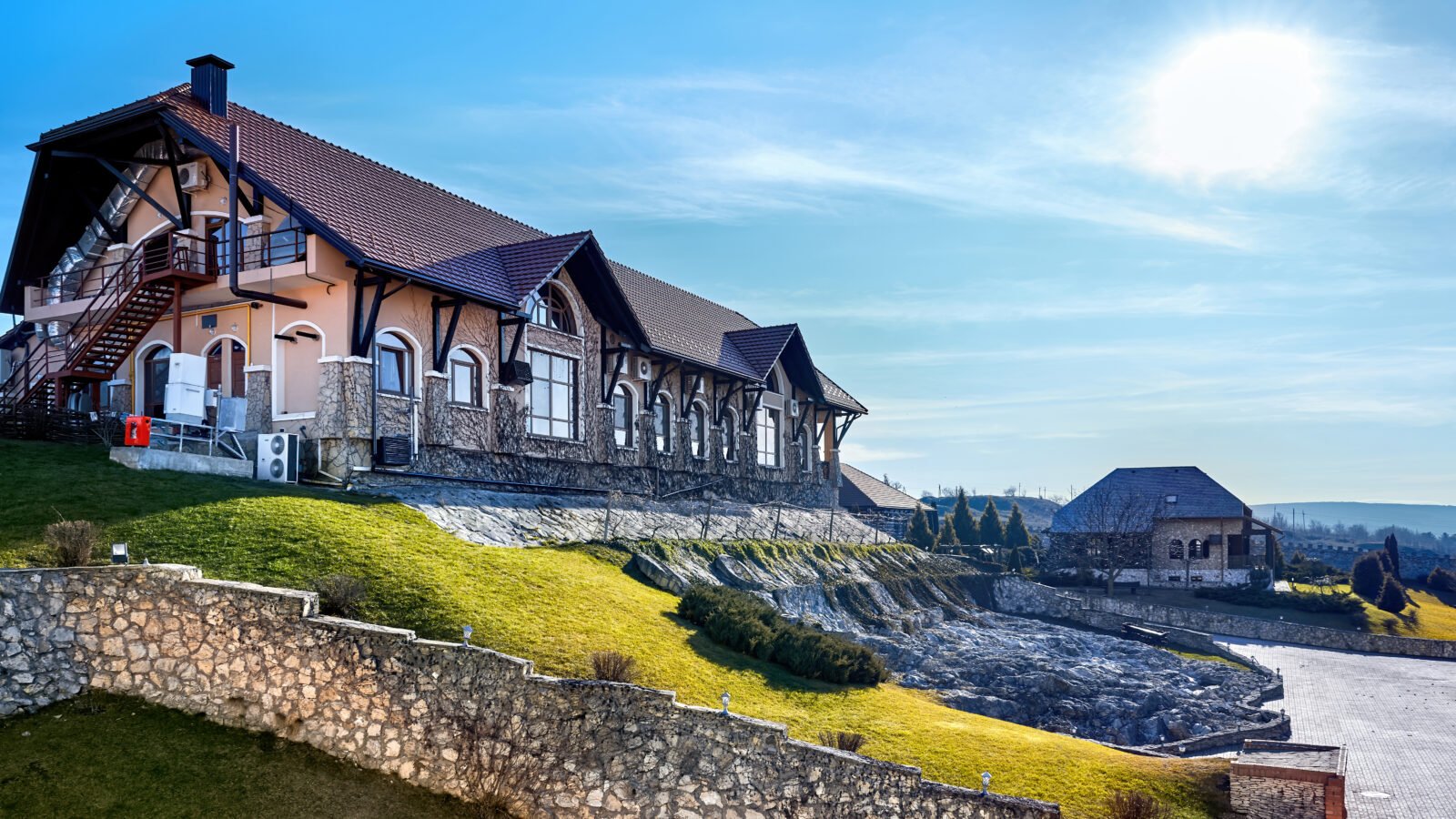
Choosing the right lodge to suit your lifestyle can be harder than it sounds. You might be looking at a lodge that looks great in pictures but doesn’t match your needs, wants, or budget.
Some customers are more concerned with the cost and do not consider the cost of use, and some customers are more concerned with luxury features and do not consider the frequency of use.
Over time, factors such as location, facilities, ownership, and maintenance responsibility can have a great impact on satisfaction.
This means that it might be a source of extra costs and disappointment to select the wrong lodge.
But the positive side is that with a little careful consideration, you can find a lodge that suits both your lifestyle and budget.
This article explores the key factors to consider when choosing the right lodge, helping you make a confident and informed decision.
1. Start By Defining Your Lifestyle Needs
Before you take a look at the lodges for sale, consider how you are going to use the property. The choices that follow should be based on the lifestyle you are planning for. A retired couple who like to spend time in the countryside, for instance, might be interested in countryside living with quiet surroundings and views.
On the other hand, a family with children may want to have access to activities, entertainment, and outdoor recreation. Think about the frequency of your visits, who will be using the lodge, and what features are important.
Comforts like doggie-friendly amenities, pathways, fishing ponds, courses, or surroundings may make a huge difference in your pleasure. This will help you know exactly what you are looking for and can help you eliminate unnecessary items that you don’t need to pay for that will not assist you in your lifestyle.
2. Set Up a Practical Budget Other Than the Price
Buyers tend to be more concerned with the up-front price. But when considering the price of a lodge, you also have to take into account the lifestyle you are getting yourself into. Consider annual site fees, utility costs, insurance, maintenance, and refurbishment costs.
It’s important to be aware of these continuing obligations, so that the numbers don’t catch you off guard down the road. Reflect on the financing options and be sure it’s affordable for you. To get a better idea of long-term affordability, look at total ownership costs.
3. Take a look at the Importance of Location
There is a significant role for location in terms of enjoyment and practicality. No matter how good a lodge is, if you have to travel too long or through inconvenient modes of transport to get there, it will be less attractive.
Consideration of frequency of intended visits. Having a lodge within a comfortable driving distance may promote greater use. Alternatively, if you’re looking for complete solitude, a remote destination may be best.
Take into account local amenities and attractions, too. The environment (coastal, woodland, lakeside, countryside) needs to fit your lifestyle.
4. Carefully Evaluate Lodge Size and Layout
However, it’s not to say that the bigger the lodge, the better. Instead, try to offer a layout that allows for the way that you live and use the space. Consider how many will be staying at the property on a regular basis. Additional bedrooms may be valuable if you frequently host family or friends.
But storage space that doesn’t get used can lead to higher buying and maintenance costs. More often than the number of square feet, it is the practical layouts, adequate storage space, and usable living areas which are important. Think about how the property will meet your day-to-day needs.
5. Evaluate Amenities & Facilities
Some of the amenities that can be provided at a lodge park can make or break one’s experience. Certain developments are geared towards relaxation and nature, while others have a broader array of leisure facilities.
Swimming pools, fitness centers, restaurants, spas, golf courses, or social events may be available. These features can be beneficial but can also be a factor in the ongoing cost. Consider what amenities will be a necessity for you.
The high cost of amenities which are not often used may not be a good value. Conversely, a leaky roof or a broken window can detract from the homeowner’s satisfaction with their property, and may lead to reduced property values in the long term.
6. Understand Ownership Terms and Restrictions
The ownership of lodges is very different from place to place. It’s important to comprehend the terms before you commit. There are lease arrangements in some properties that have defined their ownership period. Some others may have occupancy, subletting, or seasonal restrictions.
Read everything thoroughly and have questions answered for all conditions that are not clear. Knowing the rules of the site, age limits, pet policies, and any future fee hikes are particularly important.
Clear ownership conditions will help you ensure that you and your expectations line up with reality and do not cause problems down the road.
7. Think About Long-Term Value and Future Plans
A lodge should not only suit your current lifestyle but also support your future needs. Life circumstances can change significantly over the years.
Consider whether the property will remain practical as your family grows, children become adults, or retirement plans evolve. Accessibility features, proximity to services, and year-round usability may become increasingly important over time.
Additionally, think about the property’s resale potential. Desirable locations, quality construction, and well-managed sites often retain stronger market appeal. While personal enjoyment should remain the primary goal, considering long-term value can support a more balanced purchasing decision.
8. Visit Multiple Properties Before Deciding
Online listings provide useful information, but they rarely tell the complete story. Visiting several properties in person allows you to compare options more effectively.
Pay attention to maintenance standards, the condition of communal facilities, and the overall atmosphere of the site. Observe how busy the location feels and whether it matches your expectations.
Comparing several properties makes it easier to identify the features and qualities that best match your expectations.
Final Thoughts
Choosing the right lodge requires balancing lifestyle preferences with financial realities. While attractive features and beautiful locations may initially capture your attention, long-term satisfaction depends on selecting a property that aligns with how you plan to use it and what you can comfortably afford.
By defining your lifestyle needs, establishing a realistic budget, evaluating locations, reviewing ownership terms, and assessing amenities carefully, you can make a more informed decision.
It is equally important to consider future plans and compare multiple options before committing. Taking a thoughtful, research-driven approach helps ensure your lodge becomes a rewarding investment in relaxation, recreation, and quality time for years to come.