
When it comes to storing and transporting sensitive chemical solutions, selecting the right packaging is crucial. One must consider not only the material’s resistance to these chemicals but also how the choice influences safety and compliance with industry standards. Companies like Techpack industrial packaging provide a range of solutions that cater to these needs, ensuring the integrity and safety of chemical products.
The Importance of Chemical Resistant Packaging
Chemical solutions, especially hazardous ones, require packaging that can withstand their reactive nature. Without proper packaging, chemicals can lead to contamination, degradation, or even dangerous leaks. This specificity in packaging ensures both user safety and product effectiveness, making it a vital consideration for industries dealing with chemical warehousing and transport.
Material Options for Chemical Resistant Packaging
Glass: A Reliable Choice
Glass has long been regarded as an excellent material for storing chemicals, owing to its inert nature and impermeability. It does not react with most substances, preserving the chemical solution’s integrity. Additionally, glass can be sterilised and reused, making it a sustainable option.
Amber Glass Bottles
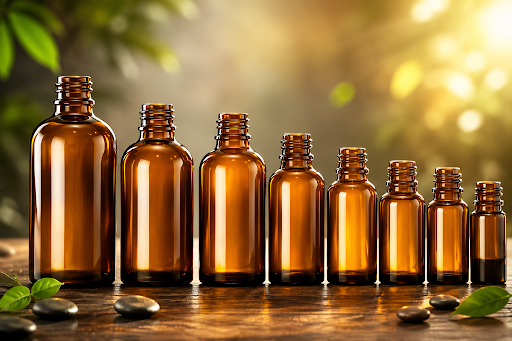
For chemicals sensitive to light, amber glass bottles are recommended. These bottles protect contents from UV rays, preventing photodegradation. Their use is particularly common in pharmaceuticals and other light-sensitive industries.
Plastic Alternatives
In some cases, high-density polyethylene (HDPE) or polytetrafluoroethylene (PTFE) plastics offer durability and resistance to harsh chemicals. These materials are lightweight and shatterproof, balancing practicality with chemical resistance.
Choosing the Right Glass Packaging
Understanding Chemical Compatibility
Before selecting glass packaging, understanding the chemical compatibility of the solution is critical. Not all glass is created equal, and certain chemicals may still react adversely. Therefore, thorough compatibility testing is recommended.
Precision Equipment for Accurate Measurements
To ensure proper handling of chemical solutions, precise measurement tools such as precision pipettes are essential. These tools allow for accurate dispensing, reducing the risk of spills and contamination.
Benefits of Using Glass Packaging for Chemicals
Glass boasts numerous benefits beyond its chemical resistance. It is non-porous, ensuring that no contaminants interact with the stored solution. Moreover, glass bottles can serve dual purposes and are often recyclable, adding an eco-friendly edge to their list of advantages.
Safety and Compliance
Regulatory compliance is a major consideration. Glass packaging often complies with international standards, providing peace of mind that the products meet legal and environmental regulations.
Challenges and Considerations
However, glass does have its drawbacks. It is often heavier and more fragile than plastic alternatives, presenting challenges in transport and handling. These drawbacks necessitate careful consideration of logistical factors when choosing glass packaging.
Conclusion
Selecting the appropriate packaging for chemical solutions is essential to maintain their stability and safety. With options like amber glass bottles and support from suppliers such as Techpack industrial packaging, companies can find reliable solutions that ensure their products’ integrity. The key lies in balancing material benefits with practical considerations, ensuring that storage solutions are both effective and compliant with industry standards.