
Introduction
Hot water is one of the most essential utilities in any home, supporting daily activities such as bathing, cooking, cleaning, and laundry. When a system begins to fail, it can quickly disrupt comfort and routine household functioning. Issues such as inconsistent water temperature, reduced heating efficiency, strange noises, or complete system breakdown often indicate the need for water heater replacement rather than simple repairs.
Modern water heating systems are designed to be more energy-efficient, durable, and environmentally friendly than older models. However, like all mechanical systems, they have a limited lifespan and gradually lose performance over time due to sediment buildup, corrosion, and component wear. Understanding when and how to replace a water heater is essential for maintaining household comfort, reducing energy costs, and ensuring safe operation.
Understanding How Water Heating Systems Work
A water heater is responsible for heating and storing water so it is readily available when needed. There are two main types of systems: storage tank heaters and tankless (on-demand) heaters.
Storage tank systems heat a fixed amount of water and keep it stored at a set temperature until it is used. Tankless systems, on the other hand, heat water instantly as it flows through the unit, eliminating the need for storage.
Both systems rely on energy sources such as electricity, natural gas, or propane to generate heat. Inside the unit, heating elements or burners warm the water, while thermostats regulate temperature to ensure consistent output.Over time, internal components degrade due to constant heating cycles and mineral accumulation. This natural wear is one of the primary reasons homeowners eventually require water heater replacement.
Common Signs That Indicate Replacement Is Needed
Recognizing early warning signs can help prevent sudden system failure. One of the most common indicators is inconsistent water temperature. If water fluctuates between hot and cold unexpectedly, it may signal failing heating elements or internal damage.
Another clear sign is reduced hot water supply. If the system no longer produces enough hot water for normal household use, its capacity may be compromised.Unusual noises such as popping, rumbling, or banging often indicate sediment buildup inside the tank. This sediment reduces efficiency and places additional strain on the system.Visible leaks or pooling water around the base of the heater are more serious warning signs that often require immediate replacement.
Increased energy bills can also indicate declining efficiency, as older systems require more energy to produce the same amount of heat.When these issues become frequent, water heater replacement is often more cost-effective than repeated repairs.
Causes of Water Heater Failure
Water heaters typically fail due to a combination of age, usage, and environmental factors. One of the most common causes is sediment buildup. Minerals from hard water settle at the bottom of the tank over time, reducing heating efficiency and causing overheating.
Corrosion is another major factor, especially in older tanks where protective lining has worn away. Once corrosion begins, leaks and structural failure become increasingly likely.Heating element failure is common in electric systems, while gas units may experience burner or ignition issues.
High water pressure can also stress the system, leading to premature wear and damage.These factors collectively contribute to the eventual need for water heater replacement.
Choosing the Right Replacement System
Selecting a new water heater involves evaluating household needs, energy efficiency, and long-term operating costs.
Storage tank systems are typically more affordable upfront and are suitable for households with consistent hot water usage. Tankless systems offer higher energy efficiency and unlimited hot water supply but may have higher installation costs.Capacity is another important consideration. Larger households require higher-capacity systems to meet simultaneous hot water demands.
Energy efficiency ratings should also be considered, as modern units are designed to reduce energy consumption and lower utility bills.Proper selection ensures that water heater replacement provides long-term value and improved performance.
The Replacement Process Explained
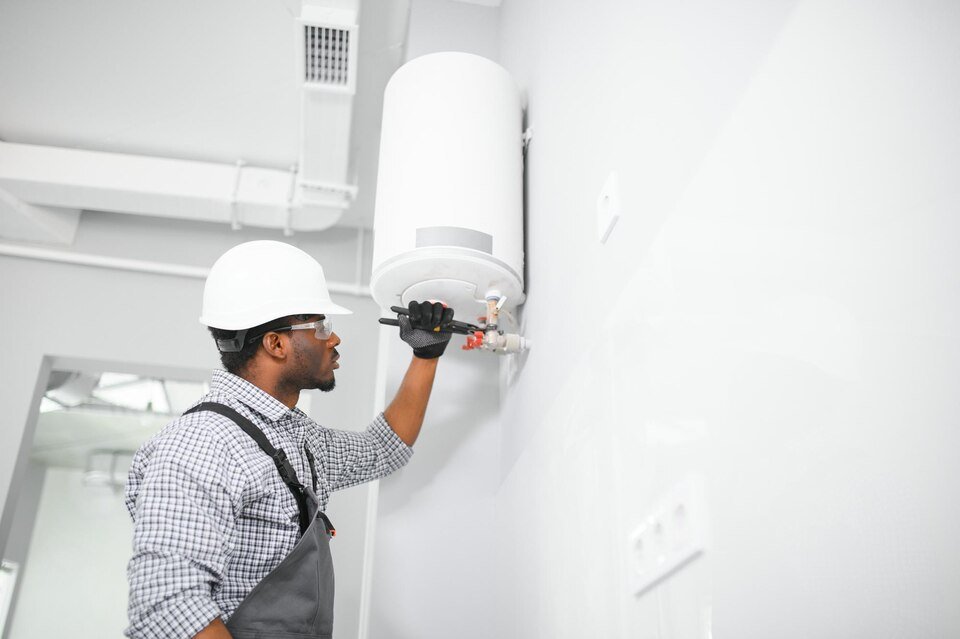
The replacement process begins with shutting off the water supply and disconnecting the existing unit from power or gas lines. Safety is a critical priority during this stage.
The old unit is then drained completely before being carefully removed. Depending on its size and location, specialized equipment may be required for safe removal.The new system is installed by connecting it to existing plumbing, electrical, or gas connections. Proper sealing and alignment are essential to prevent leaks and ensure safe operation.
Once installed, the system is filled with water, tested for leaks, and powered on to verify correct operation.Professional installation ensures that water heater replacement is performed safely and in compliance with building codes.
Importance of Professional Installation
Although some homeowners may consider DIY installation, water heaters involve complex systems that require technical expertise. Incorrect installation can lead to leaks, inefficient operation, or even safety hazards such as gas leaks or electrical faults.Professional technicians ensure that all connections are properly secured and that the system is correctly calibrated for optimal performance.
They also ensure compliance with local safety regulations and manufacturer requirements.Professional handling significantly reduces risks and improves system longevity after water heater replacement.Modern water heaters are designed with energy efficiency in mind. High-efficiency models use advanced insulation, improved heating elements, and smart temperature controls to reduce energy consumption.
Tankless systems are particularly efficient because they only heat water when needed, eliminating standby energy loss.Some modern units also include smart monitoring features that allow homeowners to track energy usage and adjust settings for optimal performance.Upgrading during water heater replacement can significantly reduce long-term utility costs.
Maintenance After Replacement
Proper maintenance helps extend the lifespan of a new water heater. Regular flushing of the tank removes sediment buildup and improves efficiency.
Inspecting pressure relief valves ensures safe operation by preventing excessive pressure buildup.Checking for leaks, corrosion, or unusual noises helps identify potential issues early.For tankless systems, periodic descaling is necessary to maintain performance.Routine maintenance ensures that water heater replacement delivers long-term reliability and efficiency.
One common mistake is improper sizing of the unit, which can lead to insufficient hot water supply or unnecessary energy consumption.Incorrect plumbing connections can result in leaks and system inefficiency.Failing to install proper ventilation in gas systems can create safety hazards.Skipping pressure regulation can also lead to premature system damage.Avoiding these mistakes is essential for successful and durable water heater replacement.
Environmental Benefits of Modern Systems
Modern water heaters are more environmentally friendly than older models. Improved energy efficiency reduces overall energy consumption and lowers carbon emissions.Tankless systems, in particular, reduce waste by eliminating the need to continuously heat stored water.
Some units are designed to integrate with renewable energy systems, further reducing environmental impact.Choosing an efficient system during water heater replacement contributes to more sustainable household energy use.Although replacement can be a significant upfront investment, it often results in long-term savings through reduced energy bills and fewer repair costs.
New systems are less likely to fail and typically come with manufacturer warranties for added protection.Improved efficiency also reduces strain on plumbing systems, extending their lifespan.Overall, water heater replacement is a cost-effective solution when older systems become inefficient or unreliable.
Integration with home automation systems allows users to control water temperature and monitor energy usage remotely.These innovations are shaping the next generation of water heater replacement solutions.
Conclusion
The future of water heating is moving toward smart, energy-efficient systems with advanced automation. Smart water heaters can learn household usage patterns and adjust heating cycles accordingly.Hybrid systems that combine heat pump technology with traditional heating methods are also becoming more common due to their high efficiency.
A reliable hot water system is essential for comfort, hygiene, and daily household functionality. Over time, wear and tear naturally reduce performance, making replacement necessary to maintain efficiency and safety.
Through proper selection, professional installation, and regular maintenance, homeowners can ensure long-lasting performance and energy efficiency. A timely water heater replacement not only restores comfort but also improves safety, reduces energy costs, and enhances overall household reliability.By understanding the signs of failure and investing in modern systems, property owners can enjoy consistent hot water supply and long-term peace of mind.
