
Introduction
Managing land effectively requires the right approach, especially when dealing with overgrown vegetation, thick brush, invasive plants, and unwanted trees. Property owners, developers, farmers, and land managers are constantly searching for efficient methods that can improve land usability without causing unnecessary environmental disruption. One of the most effective modern solutions is forestry mulching, a process that clears vegetation while simultaneously converting it into mulch that remains on the ground. Unlike traditional clearing methods that often require multiple pieces of equipment and extensive cleanup, this technique combines several steps into one efficient operation. The result is a cleaner, more accessible property with improved soil protection and reduced environmental impact. As demand for sustainable land management continues to grow, this method has become a preferred choice for many different types of projects. Understanding how it works and the benefits it offers can help property owners make informed decisions when planning future land improvements.
Understanding the Forestry Mulching Process
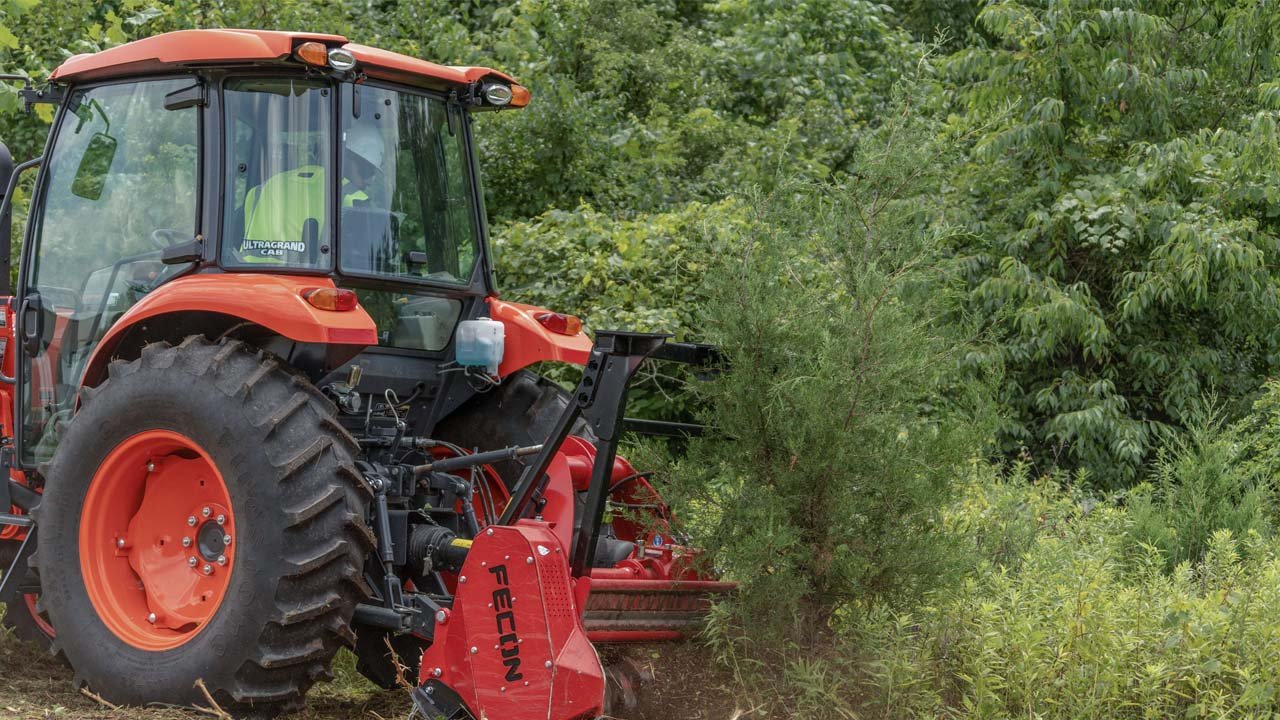
The process involves the use of specialized machinery designed to cut, grind, and process vegetation directly on-site. Instead of removing trees, brush, and undergrowth and then transporting debris elsewhere, the equipment turns the material into a layer of organic mulch. This mulch is spread across the ground surface, creating a natural protective barrier that benefits the soil and surrounding environment. The process is highly efficient because it eliminates several traditional steps associated with land clearing projects. Contractors can often complete projects faster while reducing labor requirements and disposal costs. The technique is suitable for a wide variety of terrains and can handle everything from small brush to larger vegetation depending on project requirements. By simplifying the vegetation removal process, property owners gain a practical solution that balances productivity with environmental responsibility.
Why Property Owners Choose This Method
Many property owners prefer this approach because it offers significant advantages over conventional clearing techniques. Traditional methods often involve bulldozing vegetation, hauling debris away, and performing extensive site cleanup before development can begin. These additional steps increase both project duration and overall costs. In contrast, forestry mulching streamlines the process by performing vegetation removal and debris management simultaneously. This efficiency allows projects to move forward more quickly while minimizing disruption to the surrounding landscape. Property owners also appreciate the cleaner appearance and immediate results that the process provides. Since the mulch remains on-site, there are fewer piles of debris to manage and less risk of erosion caused by exposed soil. These practical benefits make the method an attractive option for residential, commercial, agricultural, and recreational properties.
Environmental Benefits of Forestry Mulching
Environmental sustainability has become a major consideration in modern land management, and this technique supports those goals in several important ways. One of the most significant advantages is the preservation of topsoil. Traditional clearing methods often disturb the ground surface, increasing the risk of erosion and soil degradation. The mulch created during the process acts as a protective layer that helps retain moisture and reduce soil movement. Additionally, the organic material gradually decomposes and returns valuable nutrients to the soil, supporting healthier vegetation growth in the future. Another environmental benefit is the reduction of waste because vegetation is recycled directly on-site rather than being transported to disposal facilities. By minimizing soil disturbance and promoting natural nutrient cycling, forestry mulching provides an environmentally responsible approach to vegetation management that aligns with modern conservation practices.
Improving Property Accessibility and Appearance
Overgrown properties can be difficult to access and manage, particularly when dense vegetation blocks pathways, roads, or work areas. Removing unwanted growth improves visibility and creates safer conditions for people and equipment. Property owners often discover that previously unusable sections of land become accessible once vegetation has been properly managed. Improved accessibility is particularly valuable for agricultural operations, recreational properties, and development projects that require regular maintenance or future expansion. In addition to practical benefits, the process significantly enhances the visual appeal of a property. A cleaner and more organized appearance can increase property value while making the land more attractive to potential buyers, investors, or visitors. The ability to transform neglected areas into functional and appealing spaces is one of the primary reasons this method continues to gain popularity across various industries.
Applications Across Different Industries
The versatility of this vegetation management technique allows it to be used in a wide range of applications. Developers frequently utilize it to prepare sites for construction projects by removing obstacles that may interfere with building plans. Agricultural operators rely on vegetation management to reclaim overgrown fields, improve pasture conditions, and increase usable acreage. Utility companies use the process to maintain access corridors and protect infrastructure from encroaching vegetation. Recreational property owners often employ it to create trails, hunting areas, and outdoor gathering spaces. Conservation organizations may also use selective clearing methods to manage habitats and control invasive species. Because the process can be customized to suit specific objectives, it provides a flexible solution for diverse land management needs. This adaptability contributes significantly to its growing popularity among property owners and industry professionals alike.
Cost-Effectiveness and Project Efficiency
Budget considerations play an important role in any land management project, and cost efficiency is one of the strongest advantages of this approach. Traditional clearing operations often require multiple machines, separate cleanup crews, and additional transportation expenses for debris removal. Combining these tasks into a single operation reduces labor costs and shortens project timelines. Property owners benefit from fewer equipment requirements and less disruption to ongoing activities. Faster completion times also allow development projects to move forward more quickly, reducing delays and associated expenses. While the exact cost varies depending on property size and vegetation density, many landowners find that this method delivers substantial savings compared to conventional alternatives. The ability to achieve multiple objectives through a single process makes it a practical and economical choice for both small and large-scale projects.
Supporting Long-Term Land Management Goals
Effective land management extends beyond the completion of a single project. Maintaining healthy and accessible property requires ongoing attention and strategic planning. The mulch layer created during vegetation processing contributes to long-term sustainability by helping control weed growth and improve soil health. Reduced erosion and improved moisture retention support future vegetation management efforts while minimizing maintenance requirements. Property owners who incorporate forestry mulching into their long-term management strategies often find it easier to preserve the functionality and appearance of their land. Regular vegetation control prevents overgrowth from becoming a recurring problem and helps maintain safe, productive conditions. Whether the goal is agricultural productivity, recreational use, or future development, this method provides lasting benefits that support responsible property stewardship.
Choosing a Professional Service Provider
Selecting the right contractor is essential for achieving successful results. Experienced professionals possess the equipment, knowledge, and technical skills necessary to complete projects safely and efficiently. Property owners should evaluate potential contractors based on experience, equipment capabilities, project history, and commitment to safety. A reputable provider will assess the property carefully and recommend an approach tailored to the site’s specific needs. Clear communication throughout the planning and execution phases helps ensure that expectations are understood and project goals are achieved. Insurance coverage, licensing, and compliance with industry standards are also important considerations when choosing a service provider. Working with qualified professionals reduces risks and increases the likelihood of achieving high-quality outcomes that meet both immediate and long-term objectives.
Common Misconceptions About Vegetation Management
Despite its growing popularity, some misconceptions still exist regarding modern vegetation management techniques. One common belief is that these methods are only suitable for large commercial projects. In reality, properties of various sizes can benefit from professional vegetation control services. Another misconception is that the process causes significant environmental damage. When performed correctly, the opposite is often true, as the method helps preserve soil health and reduce waste. Some property owners also assume that vegetation removal automatically requires extensive cleanup and debris disposal. However, the on-site recycling of organic material eliminates many of these concerns. Understanding the facts behind these misconceptions allows property owners to make more informed decisions and take advantage of solutions that offer both environmental and economic benefits.
The Future of Sustainable Land Management
As technology continues to evolve, the future of land management is becoming increasingly efficient and environmentally responsible. Equipment manufacturers are developing more advanced machinery capable of handling complex projects with greater precision and reduced environmental impact. Data-driven planning tools, aerial surveys, and digital mapping systems are also improving project accuracy and decision-making. Sustainability will likely remain a key priority as property owners seek methods that balance productivity with environmental protection. The continued adoption of forestry mulching reflects a broader trend toward innovative solutions that support long-term land stewardship. By embracing modern technologies and sustainable practices, property owners can maximize the value and functionality of their land while preserving natural resources for future generations.
Conclusion
Proper vegetation management is essential for maintaining safe, productive, and attractive properties. Among the many available methods, forestry mulching stands out as an efficient and environmentally responsible solution that combines vegetation removal and debris management into a single process. The technique offers numerous advantages, including improved accessibility, reduced erosion, enhanced soil health, and lower project costs. It supports a wide range of applications across residential, commercial, agricultural, recreational, and conservation projects. By choosing experienced professionals and incorporating sustainable practices into long-term management strategies, property owners can achieve lasting results that improve both the usability and value of their land. As the demand for efficient and environmentally conscious land management continues to grow, forestry mulching will remain a valuable tool for transforming and maintaining properties of all types
