
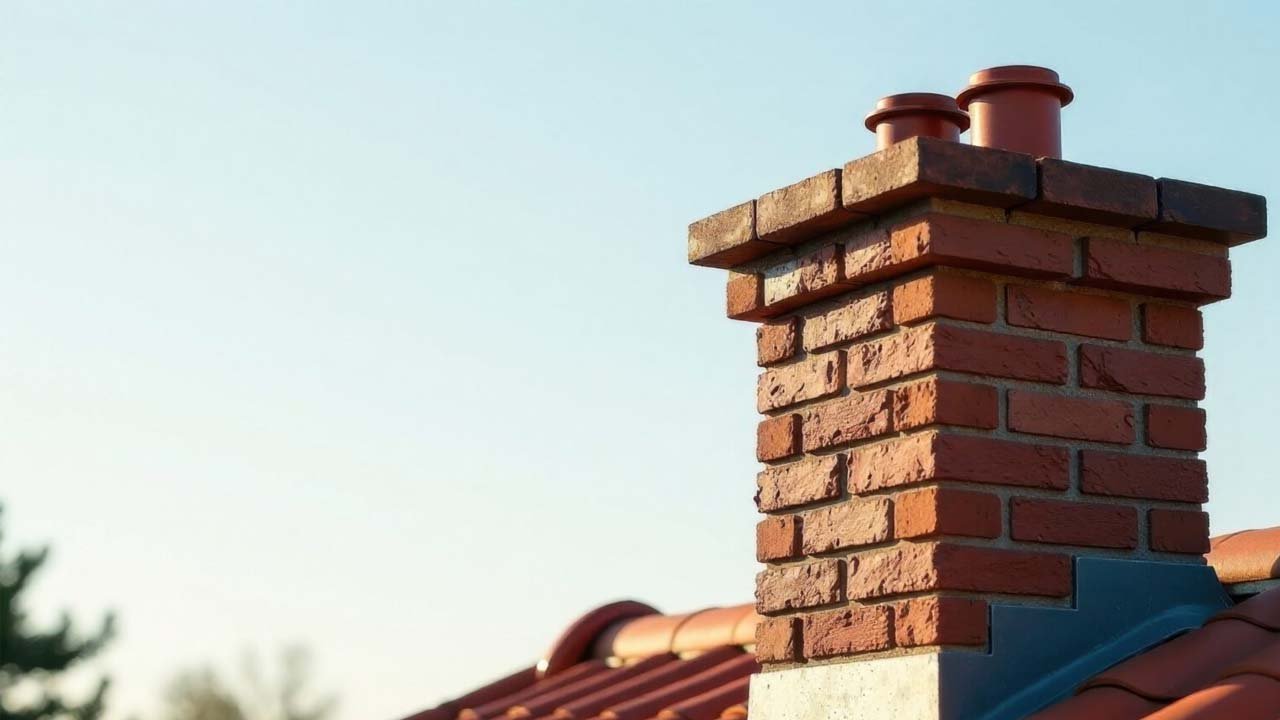
Introduction to Chimney Structure and Maintenance Importance
Chimneys are important structural components in buildings that ensure the safe removal of smoke, gases, and combustion byproducts from indoor heating systems. Over time, these structures are exposed to harsh weather conditions, temperature fluctuations, and continuous internal heat, all of which gradually weaken their structural integrity. One of the most common issues that develops in chimney systems is the deterioration of mortar joints between bricks, which can compromise both safety and performance. When these joints begin to erode, gaps form that allow moisture, air leakage, and structural instability. In such situations, chimney repointing becomes essential as it restores the damaged mortar and strengthens the overall structure. Proper maintenance ensures that the chimney continues to function safely and efficiently while preventing long-term structural damage. Without regular care, minor issues can develop into serious safety hazards that affect the entire building.
Role of Structural Strength in Chimney Safety
The strength of a chimney depends heavily on the condition of its mortar joints, which hold the brickwork together and provide stability. When these joints weaken due to environmental exposure or aging, the entire structure becomes vulnerable to damage. chimney repointing plays a critical role in restoring this strength by replacing deteriorated mortar with fresh material that reinforces the brickwork. Strong structural integrity is essential to withstand wind pressure, heat expansion, and external weather conditions. If the mortar is not maintained, bricks may loosen, leading to instability and potential collapse over time. Ensuring structural strength is not just about durability but also about safety, as weakened chimneys can pose risks such as falling debris or smoke leakage. Regular inspection and timely maintenance help preserve the stability and reliability of the structure.
Causes of Mortar Deterioration in Chimneys
Mortar deterioration is a gradual process caused by multiple environmental and physical factors. Constant exposure to rain, snow, wind, and sunlight leads to expansion and contraction of materials, which weakens the bonding between bricks. Moisture penetration is one of the most damaging factors, as it seeps into small cracks and expands during temperature changes, causing further damage. Over time, soot and chemical residues from combustion also contribute to the breakdown of mortar. Poor construction quality or the use of low-grade materials can accelerate this process, leading to early structural failure. chimney repointing becomes necessary when the mortar begins to crumble, crack, or fall out, exposing the internal structure to further deterioration. Understanding these causes helps in planning timely maintenance and preventing costly repairs in the future.
Early Warning Signs of Structural Damage
Identifying early signs of chimney damage is crucial for preventing serious structural problems. Visible cracks in mortar joints, loose or missing bricks, and crumbling edges are clear indicators of weakening structure. Water stains or damp patches near the chimney area often suggest moisture penetration, which can lead to internal damage. chimney repointing is typically required when these warning signs become noticeable, as they indicate that the mortar is no longer providing adequate support. Smoke leakage, poor ventilation, or unusual odors can also signal internal blockages or damage. Falling debris from the chimney is another serious sign that immediate maintenance is required. Early detection of these issues helps prevent further deterioration and reduces repair costs significantly.
Importance of Preventive Maintenance Practices
Preventive maintenance is essential for ensuring the long-term performance and safety of chimney systems. Regular inspections help identify small issues before they develop into major structural problems. Cleaning soot deposits, checking mortar condition, and repairing minor cracks are all part of preventive care. Chimney repointing is often included in maintenance routines when early signs of deterioration are detected. By addressing issues early, homeowners can avoid expensive reconstruction and ensure the chimney remains stable and functional. Preventive maintenance also improves efficiency by ensuring proper airflow and reducing blockages. A well-maintained chimney operates more safely and effectively, minimizing risks associated with smoke buildup and structural failure. Consistent care is key to long-term durability and performance.
Techniques Used in Chimney Restoration Work
Chimney restoration involves carefully removing damaged mortar and replacing it with new material to restore strength and stability. The process begins with raking out old, deteriorated mortar without damaging surrounding bricks. Once cleaned, fresh mortar is applied and pressed firmly into the joints to ensure proper bonding. Chimney repointing requires precision and skill to achieve a strong and long-lasting result. Specialized tools are used to ensure accuracy and prevent damage to the brick structure. After application, the mortar is allowed to cure properly to achieve maximum strength. In some cases, waterproofing treatments are also applied to protect the structure from future moisture damage. Proper execution of these techniques ensures long-term durability and improved structural performance.
Impact of Damage on Efficiency and Safety
When chimney mortar deteriorates, it affects both efficiency and safety. Weak joints can lead to poor ventilation, allowing smoke and gases to re-enter indoor spaces. This not only reduces heating efficiency but also creates health hazards due to exposure to harmful gases. chimney repointing helps restore proper airflow and ensures safe removal of combustion byproducts. Structural damage can also lead to heat loss, increasing energy consumption and reducing system efficiency. In severe cases, weakened chimneys may pose fire risks due to accumulated soot and creosote. Addressing these issues promptly is essential for maintaining both safety and performance. A well-maintained chimney ensures efficient operation and a safer indoor environment.
Environmental Factors Affecting Chimney Longevity
Environmental conditions play a major role in the deterioration of chimney structures. Constant exposure to rain, wind, frost, and temperature changes causes gradual wear and tear. Moisture is particularly harmful, as it penetrates small cracks and expands during freezing conditions, leading to further damage. Chimney repointing is necessary to counteract these environmental effects and restore structural integrity. Sun exposure can also dry out mortar over time, making it brittle and weak. Seasonal changes contribute to expansion and contraction cycles that gradually weaken the structure. Understanding these environmental impacts helps in planning timely maintenance and ensuring long-term protection of the chimney system.
Modern Techniques and Material Improvements
Advancements in construction technology have significantly improved chimney restoration methods. Modern mortar materials are more durable, flexible, and resistant to weather conditions compared to traditional options. Chimney repointing today often uses enhanced bonding materials that provide stronger and longer-lasting results. Improved tools and diagnostic techniques allow for more accurate assessment of structural damage. These innovations make restoration work more efficient and reliable while reducing the need for frequent repairs. Advanced waterproofing solutions also help protect chimneys from moisture-related damage. Modern techniques ensure better performance, durability, and safety for long-term use.
Long-Term Benefits of Proper Chimney Maintenance
Regular maintenance of chimney structures provides numerous long-term benefits, including improved safety, efficiency, and durability. It helps prevent major structural failures and reduces the need for costly repairs. Chimney repointing strengthens weakened mortar joints and extends the lifespan of the structure. Proper maintenance also ensures efficient ventilation, reducing energy loss and improving heating performance. A well-maintained chimney contributes to a safer indoor environment by preventing smoke and gas leakage. Long-term care ensures that the structure remains stable and functional for many years. Consistent maintenance practices are essential for preserving both safety and performance.
Conclusion
Chimney structures play a vital role in ensuring safe ventilation and efficient heating system operation, but they require regular maintenance to remain in good condition. Over time, environmental exposure and natural aging weaken mortar joints, leading to structural instability and safety risks. Timely restoration and preventive care are essential to maintain strength and durability. Chimney repointing is a crucial process that restores damaged mortar, improves stability, and enhances overall performance. By addressing early signs of deterioration and using proper maintenance techniques, homeowners can ensure long-lasting safety and efficiency. Consistent care and attention to structural health are key to protecting chimney systems and ensuring reliable performance over time.
