Introduction to Household and Pet Parasite Management
Maintaining a clean and healthy environment for both pets and humans is essential for comfort, hygiene, and overall well-being. One of the most common challenges faced by pet owners is the presence of external parasites such as fleas and ticks. These small organisms can quickly multiply and spread across pets, furniture, carpets, and outdoor areas. Once an infestation begins, it can become difficult to manage without proper attention and consistent care. Fleas and ticks feed on blood and can cause irritation, discomfort, and potential health risks if not controlled in time. Understanding how these pests survive and spread is the first step toward effective prevention. A structured approach to hygiene, monitoring, and treatment is essential for long-term protection.
Understanding Fleas and Ticks and Their Behavior
Fleas are tiny, wingless insects that move quickly through fur and fabric, feeding on blood to survive and reproduce. Ticks are arachnids that attach themselves to hosts and feed slowly over time. Both pests thrive in warm, humid environments and can easily enter homes through pets or outdoor exposure. They often hide in carpets, bedding, and furniture, making them difficult to detect at early stages. Their life cycle allows them to multiply rapidly, turning a small issue into a large infestation within a short time. Effective flea and tick control requires understanding their behavior, reproduction cycle, and preferred habitats to break the infestation cycle before it spreads further.
Health Risks Associated with Infestations
Fleas and ticks can cause a variety of health issues for both pets and humans. Flea bites often lead to itching, skin irritation, and allergic reactions in animals. In severe cases, continuous biting can cause hair loss or anemia, especially in young or weak pets. Ticks are more dangerous because they can transmit harmful diseases while feeding. These parasites attach firmly to the skin and may carry bacteria or viruses that affect both animals and humans. In households, infestations can also lead to discomfort, poor hygiene conditions, and stress. Timely flea and tick control is necessary to prevent these health risks and ensure a safe living environment.
Signs of Infestation in Pets and Living Spaces
Detecting fleas and ticks early is essential for effective treatment. Pets often show signs such as excessive scratching, biting, licking, or restlessness. You may also notice hair loss, red patches, or visible fleas moving through the fur. Ticks are often found attached to areas like ears, neck, and paws. In homes, small dark specks in bedding or carpets, unexplained bites on humans, and visible insects jumping on furniture are common indicators. Pets may also appear uncomfortable or irritated without a clear reason. Recognizing these signs early allows for immediate flea and tick control, reducing the chance of severe infestation.
Causes and Risk Factors of Infestation Spread
Several environmental and behavioral factors contribute to the spread of fleas and ticks. Pets that spend time outdoors in grassy or wooded areas are more likely to bring these parasites inside. Poor cleaning habits, infrequent vacuuming, and cluttered environments also increase the risk of infestation. Warm and humid conditions provide ideal breeding environments for these pests. Contact with other infected animals is another major cause of transmission. Even clothing and footwear can sometimes carry fleas or ticks indoors. Understanding these risk factors is important for developing strong prevention habits and maintaining effective flea and tick control strategies.
Prevention Strategies for Long-Term Protection
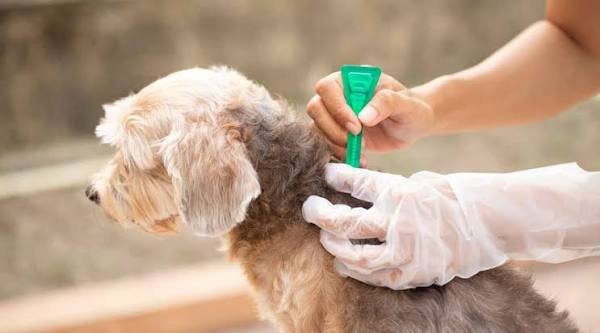
Prevention is always more effective than treatment when dealing with parasites. Regular grooming of pets helps detect and remove fleas or ticks before they multiply. Bathing pets with appropriate shampoos can also reduce infestation risks. Cleaning carpets, furniture, and pet bedding on a regular basis helps eliminate eggs and larvae. Vacuuming frequently is one of the simplest yet most effective prevention methods. Outdoor areas should be kept clean, with trimmed grass and reduced moisture. Preventive treatments such as sprays, collars, or topical solutions provide additional protection. Consistent flea and tick control practices ensure long-term safety for both pets and households.
Treatment Methods for Active Infestations
When an infestation is already present, immediate treatment is necessary to stop further spread. Various methods are used to eliminate fleas and ticks from both pets and indoor environments. Chemical treatments such as sprays, powders, and foggers target different stages of the pest life cycle. In some cases, natural remedies and safe biological treatments can also be effective. Treating both pets and their surroundings is essential because untreated areas can lead to reinfestation. A complete flea and tick control approach ensures that eggs, larvae, and adult pests are eliminated for long-lasting results.
Importance of Pet Care and Hygiene Practices
Good pet hygiene plays a major role in preventing parasite infestations. Regular brushing helps remove fleas and detect ticks early before they attach firmly. Bathing pets with recommended cleaning products keeps their skin and coat healthy. Routine veterinary check-ups ensure that pets receive proper preventive treatments when needed. Healthy nutrition also strengthens the immune system, making pets less vulnerable to infestations. Clean living spaces combined with proper pet care significantly reduce the chances of parasite problems. Consistent flea and tick control depends heavily on maintaining good hygiene habits for pets and their environment.
Environmental Safety and Responsible Treatment Use
Modern pest management focuses on safe and environmentally responsible treatment methods. Many products are now designed to target pests while minimizing harm to humans, pets, and surroundings. Proper application of treatments is important to avoid overexposure or contamination. Safe disposal of treated materials and careful handling of chemicals help protect the environment. Natural and eco-friendly alternatives are also becoming popular for household use. Responsible flea and tick control ensures effective pest elimination without compromising safety or environmental health, making it suitable for long-term use in residential spaces.
Professional Solutions Versus Home-Based Care
While home-based methods can help manage minor infestations, professional services provide more comprehensive and long-lasting solutions. Experts have the tools and knowledge to identify infestation levels and apply targeted treatments effectively. They also ensure that both pets and environments are treated thoroughly to prevent recurrence. Home remedies may provide temporary relief but often fail to eliminate hidden eggs or larvae. Professional flea and tick control services offer structured treatment plans that address the root cause of the infestation, ensuring more reliable and lasting results for households.
Cost Considerations and Long-Term Benefits
Investing in proper parasite control can save significant costs over time. Untreated infestations can lead to veterinary expenses, property damage, and repeated treatment efforts. Preventive care is generally more affordable than dealing with severe outbreaks. Regular maintenance and timely treatments reduce the need for emergency interventions. Effective flea and tick control not only protects pets and homes but also provides financial savings by preventing recurring infestations. Long-term prevention ensures a healthier environment and reduces overall maintenance costs.
Final Thoughts on Maintaining a Pest-Free Environment
Fleas and ticks are persistent parasites that require ongoing attention and proper management. Understanding their behavior, recognizing early signs, and implementing preventive strategies are essential for effective control. Regular cleaning, grooming, and timely treatments help maintain a safe and comfortable environment for both pets and humans. Professional assistance can provide additional support for severe cases and ensure complete eradication. Flea and tick control is an ongoing responsibility that plays a vital role in maintaining hygiene, safety, and long-term protection in homes and pet environments.