
Introduction
Roofs play a critical role in protecting any building from environmental conditions such as rain, wind, heat, and storms. Over time, every roofing system begins to weaken due to constant exposure and natural wear. When damage becomes too severe for repairs to restore full performance, roof replacement becomes the most reliable solution. A properly executed roofing upgrade not only restores structural safety but also improves energy efficiency and overall property value. Many property owners delay this process, but ignoring roofing problems can lead to leaks, mold growth, and internal structural damage. A new roofing system ensures long-term durability and reduces future maintenance costs. Modern construction practices focus on improving insulation, strength, and weather resistance through advanced materials and techniques. A well-planned roof replacement provides a fresh start for the entire structure, ensuring safety and performance for many years.
Understanding the Need for Roof Replacement
Every roofing system has a limited lifespan depending on materials, weather exposure, and maintenance history. As time passes, shingles, sheets, and sealing layers begin to deteriorate, reducing overall effectiveness. When multiple issues appear such as persistent leaks, sagging areas, or widespread damage, repair work is no longer sufficient. In such situations, roof replacement becomes necessary to restore complete structural integrity. Ignoring these warning signs can lead to serious problems including water damage, insulation failure, and increased energy costs. Regular inspections help identify when a roofing system is reaching the end of its usable life. Early decision-making ensures better safety and prevents expensive emergency repairs. A timely roofing upgrade protects both residential and commercial buildings from long-term structural risks.
Step-by-Step Roof Replacement Process
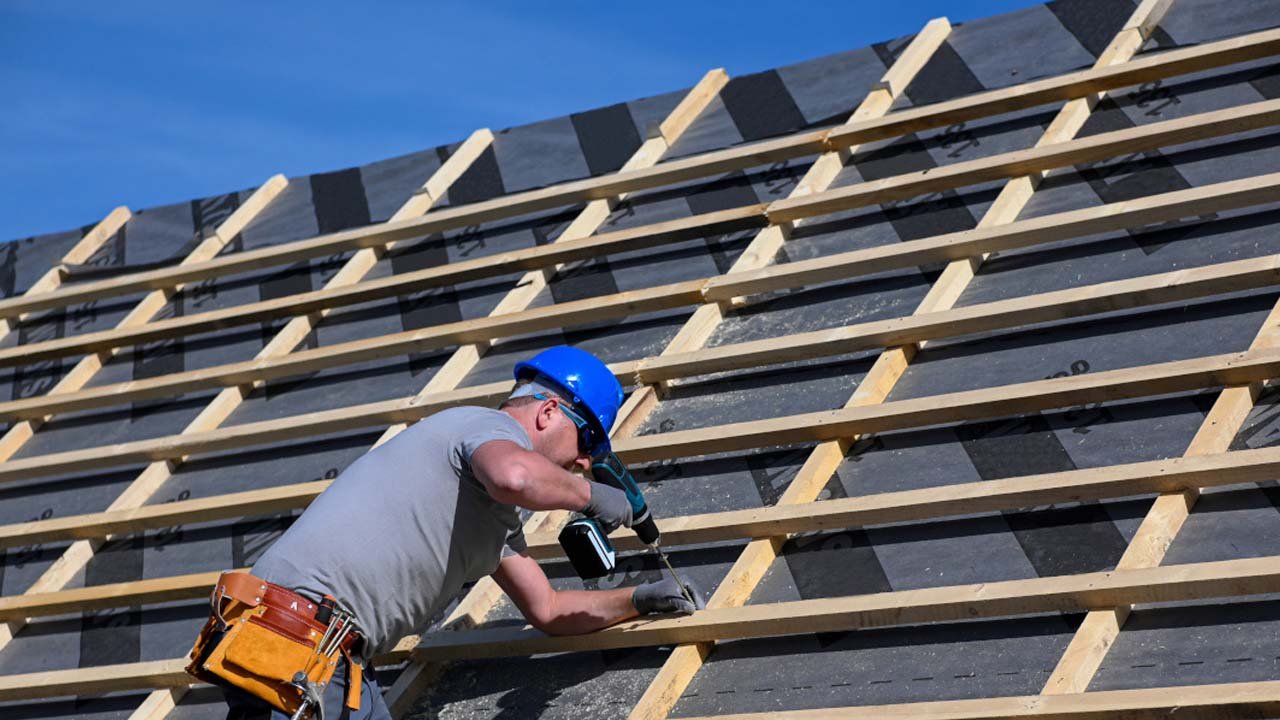
The roof replacement process involves several carefully planned stages to ensure durability and safety. It begins with a detailed inspection of the existing roof to assess damage and determine required work. After evaluation, the old roofing material is removed completely to expose the base structure. Any damaged wood, metal, or support components are repaired or replaced to ensure a strong foundation. Once the base is prepared, new insulation and waterproofing layers are installed to improve efficiency and protection. The new roofing material is then carefully fitted and aligned to ensure proper coverage and sealing. A final inspection is conducted to verify quality, safety, and performance standards. Each step in the roof replacement process is essential for achieving long-lasting results and structural stability.
Common Materials Used in Roof Replacement
Material selection is one of the most important factors in determining the durability and performance of a roofing system. Asphalt shingles are widely used due to their affordability and ease of installation. Metal roofing is another popular option known for its strength, longevity, and resistance to harsh weather conditions. Tile roofing offers a traditional look with excellent durability and thermal performance. Modern synthetic materials are also gaining popularity due to their lightweight structure and energy efficiency. Each material used in roof replacement is selected based on building type, climate conditions, and budget requirements. Proper installation ensures that materials perform effectively and remain resistant to damage over time. High-quality materials significantly extend the lifespan of the roofing system.
Benefits of Professional Roofing Services
Hiring professionals for roofing work provides several important advantages in terms of safety, quality, and efficiency. A professionally managed roof replacement ensures accurate installation and proper structural alignment. Experts use advanced tools and techniques to complete the work efficiently while maintaining safety standards. This reduces the risk of leaks, improper sealing, and future structural damage. Another major benefit is improved energy efficiency, as modern roofing systems help regulate indoor temperature. Professional services also enhance the appearance of the building, increasing its overall market value. Skilled workmanship ensures long-term reliability and reduces the need for frequent repairs. Property owners benefit from durable results and long-term protection.
Signs That Indicate Roof Failure
There are several warning signs that indicate a roofing system is failing and may require replacement. Persistent water leakage is one of the most common indicators of serious damage. Missing or broken shingles, visible cracks, and sagging areas also suggest structural issues. Inside the building, water stains on ceilings or walls can indicate roof deterioration. Mold growth and increased humidity levels are additional signs of moisture infiltration. Rising energy bills may also indicate poor insulation caused by roofing damage. When these issues become widespread, roof replacement is often the most effective solution. Identifying these signs early helps prevent costly structural repairs.
Energy Efficiency and Insulation Improvements
Modern roofing systems are designed to improve energy efficiency and reduce heat transfer between indoor and outdoor environments. A new roof replacement helps maintain stable indoor temperatures by improving insulation. Reflective materials are often used to reduce heat absorption during hot weather conditions. Proper insulation reduces the load on heating and cooling systems, leading to lower energy consumption. This results in significant cost savings over time. Energy-efficient roofing also contributes to environmental sustainability by reducing energy waste. A well-installed roofing system ensures long-term comfort and efficiency for both residential and commercial properties.
Maintenance After Roof Replacement
Even after a new roof is installed, regular maintenance is essential for long-term performance. Routine inspections help identify early signs of damage or wear. Cleaning drainage systems prevents water buildup and reduces the risk of leaks. Small repairs and protective coatings can further extend the lifespan of the roofing system. Proper maintenance ensures that the roof continues to perform efficiently over time. A well-maintained roof replacement provides maximum durability and reduces future repair costs. Consistent care helps preserve both appearance and functionality.
Importance of Skilled Professionals
Skilled professionals play a crucial role in ensuring successful roofing projects. Proper roof replacement requires knowledge of materials, structural design, and installation techniques. Professionals ensure accurate measurements and strong alignment for maximum durability. Their experience helps avoid common mistakes that can affect long-term performance. Safety procedures are strictly followed during installation to prevent accidents. Professional expertise ensures compliance with building standards and regulations. Skilled workmanship guarantees reliable, long-lasting roofing systems.
Residential and Commercial Applications
Roofing systems are essential for both residential and commercial buildings, but each has different requirements. Residential roofs focus on comfort, insulation, and aesthetic appeal, while commercial roofs emphasize durability and large-scale coverage. A properly executed roof replacement ensures long-term protection for both types of properties. Businesses rely on strong roofing systems to protect equipment and maintain uninterrupted operations. Homeowners benefit from improved safety, comfort, and property value. In both cases, a new roofing system provides enhanced performance and long-term reliability.
Conclusion
Roofing is one of the most important structural components of any building because it ensures protection, safety, and efficiency. When a roofing system becomes damaged beyond repair, roof replacement becomes the most effective solution. It restores structural integrity, improves energy efficiency, and increases property value. Ignoring roofing issues can lead to serious damage, but timely replacement prevents long-term problems. With high-quality materials, skilled professionals, and proper maintenance, a new roofing system can last for many years while providing reliable protection for both residential and commercial properties.
