
Introduction to Garage Flooring Systems
A garage is no longer just a place to park vehicles; it has become a multipurpose space used for storage, workshops, fitness setups, and even small work areas. Because of this increasing usage, the flooring inside a garage must be strong, durable, and resistant to heavy wear. Ordinary concrete surfaces are often not enough to handle constant vehicle movement, oil spills, chemical exposure, and weight pressure. Over time, untreated surfaces can develop cracks, stains, and surface erosion. This is why modern property owners are increasingly investing in protective flooring systems that enhance durability and usability. A properly designed garage flooring system improves safety, appearance, and long-term performance, making the space more functional and easier to maintain.
Understanding the Purpose of Durable Garage Surfaces
Garage floors face much tougher conditions than regular indoor flooring. They must withstand continuous load from vehicles, exposure to moisture, and contact with chemicals such as oil, fuel, and cleaning agents. In addition, temperature fluctuations can cause concrete to expand and contract, leading to structural weakening. Without proper protection, these factors gradually damage the surface and reduce its lifespan. A well-designed flooring system acts as a protective layer that shields the base surface from wear and tear. This ensures long-term stability and reduces the need for frequent repairs. The importance of garage flooring becomes even more clear when considering both functionality and long-term cost savings.
Types of Flooring Solutions for Garages
There are several flooring options available depending on budget, usage, and design preferences. Epoxy coatings are among the most popular due to their strength, chemical resistance, and smooth finish. Polyurethane coatings offer flexibility and UV resistance, making them suitable for different environmental conditions. Interlocking tiles provide easy installation and replacement options, while rubber flooring adds comfort and slip resistance. Polished concrete is another option that delivers a modern and clean appearance but may require sealing for added protection. Each system has its advantages, and selecting the right one depends on how the space is used. A well-planned garage flooring solution ensures both durability and visual appeal.
Benefits of Installing Modern Flooring Systems
Installing a proper flooring system provides several long-term advantages. One of the biggest benefits is increased durability, as the surface becomes resistant to cracks, stains, and chemical damage. It also improves safety by reducing the chances of slipping, especially in areas where oil or water may be present. Another major advantage is easier maintenance, since sealed or coated surfaces do not absorb dirt and can be cleaned quickly. In addition, a well-finished floor enhances the overall appearance of the garage, making it look organized and professional. These combined benefits make garage flooring an essential upgrade for both residential and commercial spaces.
Safety Features and Slip Resistance
Safety is one of the most important factors when choosing a flooring system for a garage. Since garages often involve movement of heavy vehicles and exposure to liquids, slip hazards can be a serious concern. Modern flooring systems are designed with textured finishes or anti-slip coatings that provide better grip and reduce accident risks. Proper drainage and surface leveling also contribute to safer conditions. In high-traffic areas, additional protective layers may be applied to increase durability and traction. A well-designed garage flooring system prioritizes safety without compromising functionality or appearance.
Role of Maintenance in Long-Term Performance
Even the most durable flooring system requires regular maintenance to maintain its quality and appearance. Simple cleaning routines such as sweeping and mopping help prevent dust buildup and surface damage. Spills should be cleaned immediately to avoid staining or chemical penetration. For coated surfaces, mild cleaning solutions are recommended to preserve the protective layer. Periodic inspections also help identify early signs of wear or damage. Consistent maintenance ensures that garage flooring continues to perform effectively over time and maintains its visual appeal.
Aesthetic Improvements and Modern Design Trends
Modern garage design is not limited to functionality alone; appearance is also becoming increasingly important. Today’s flooring systems come in a variety of colors, finishes, and textures that enhance the overall look of the space. Glossy epoxy finishes create a polished and clean appearance, while matte and textured coatings offer a more industrial look. Decorative tile patterns and color combinations allow customization according to personal style. These design improvements transform garages into well-organized and visually appealing areas rather than plain storage spaces. High-quality garage flooring plays a key role in achieving this modern aesthetic transformation.
Protection Against Chemicals and Heavy Impact
Garages are often exposed to harsh substances such as oil, fuel, and cleaning chemicals, which can easily damage untreated surfaces. Advanced flooring systems are designed to resist chemical absorption and prevent staining. This protective layer ensures that spills do not penetrate the surface and can be cleaned easily. Additionally, heavy impact from tools or vehicle movement can cause damage to basic concrete, but reinforced flooring systems absorb and distribute pressure more effectively. This protection extends the life of the surface and reduces maintenance costs over time.
Installation Process and Surface Preparation
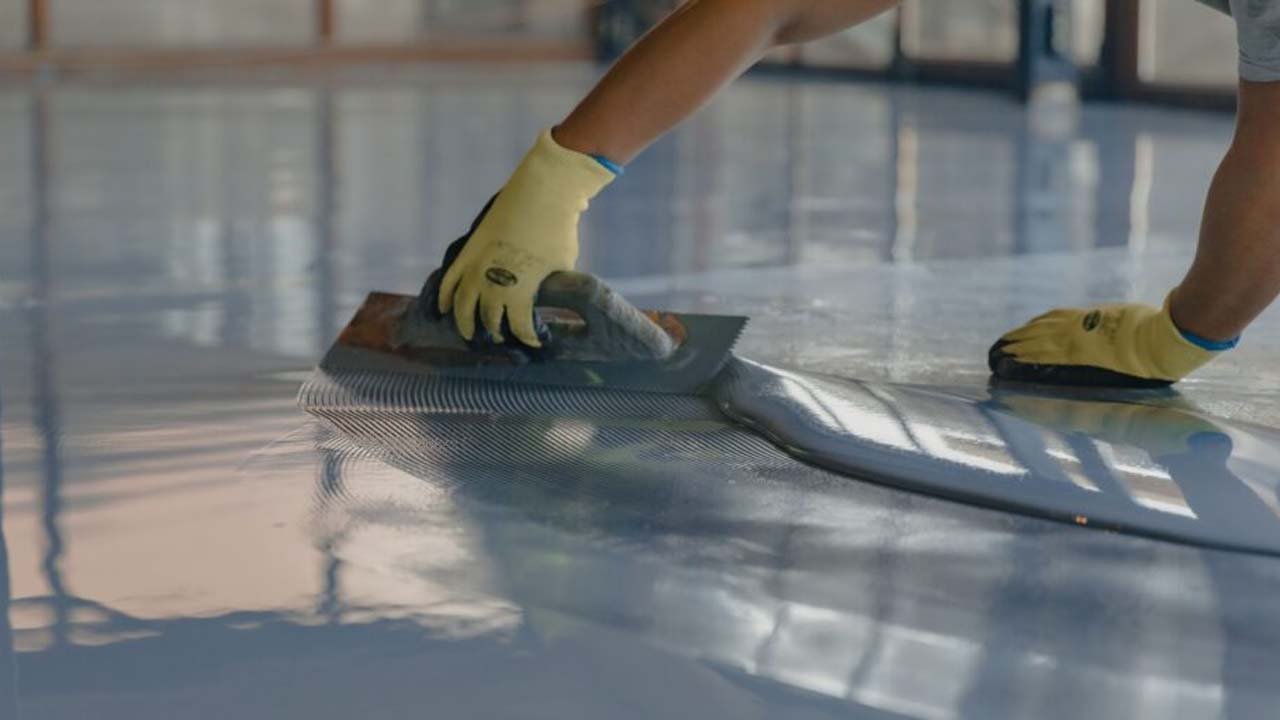
Proper installation is essential for achieving long-lasting performance. The existing surface must be cleaned thoroughly, repaired for cracks, and leveled before applying any flooring system. Dust, oil, and debris must be removed to ensure proper adhesion. Depending on the material, installation may involve coating, sealing, or tile placement. Professional installation is often recommended to achieve the best results, as improper application can reduce durability and performance. A well-prepared base ensures that garage flooring performs efficiently and lasts longer under heavy use.
Cost Factors and Long-Term Investment Value
The cost of installing a flooring system depends on the material type, installation method, and quality level. While some options may have a higher initial cost, they often provide better long-term value due to reduced maintenance and longer lifespan. Cheaper alternatives may require frequent repairs or replacements, which increases overall expenses over time. Therefore, it is important to evaluate long-term benefits rather than focusing only on upfront costs. Investing in high-quality garage flooring ensures durability, safety, and better return on investment in the long run.
Common Issues and Preventive Measures
Some common problems with garage floors include cracking, peeling coatings, discoloration, and surface wear. These issues often occur due to poor installation, lack of maintenance, or exposure to heavy stress. Preventive measures such as regular cleaning, sealing, and avoiding harsh chemicals can significantly reduce these problems. Using protective mats under heavy equipment and avoiding direct impact also helps maintain surface quality. Proper care and maintenance ensure that flooring remains in good condition for years.
Professional Maintenance and Repair Solutions
In cases where damage occurs, professional repair services can restore the surface to its original condition. Experts can fix cracks, reapply coatings, and perform deep cleaning to improve durability and appearance. They also assess underlying issues and suggest improvements if needed. Professional maintenance ensures that the flooring continues to perform efficiently even after long-term use. Combining regular care with expert services provides the best long-term results for garage flooring systems.
Long-Term Advantages of Quality Flooring Systems
A high-quality flooring system offers long-term benefits such as improved durability, enhanced safety, reduced maintenance, and better visual appeal. It transforms a simple garage into a more functional, organized, and valuable space. Over time, the investment pays off through lower repair costs and increased usability. A well-maintained surface also improves overall property value. Choosing the right garage flooring system ensures long-lasting performance and satisfaction.
Conclusion
In conclusion, garage flooring plays a vital role in protecting surfaces, improving safety, and enhancing the overall appearance of garage spaces. With the right material selection, proper installation, and consistent maintenance, any garage can be transformed into a durable and efficient area. From resisting chemicals to handling heavy loads, modern flooring systems offer multiple benefits that make them a valuable investment. Long-term care ensures that the surface remains strong, clean, and visually appealing. Ultimately, a well-planned flooring solution creates a safer, more functional, and more attractive environment for everyday use.
