
Introduction to Flea Infestation Challenges and Modern Control Approaches
Fleas are among the most persistent household pests that affect both pets and humans, creating discomfort, skin irritation, and hygiene problems in indoor environments. These tiny insects are highly adaptable and reproduce rapidly, which makes them difficult to eliminate once an infestation becomes established. They are commonly found in carpets, pet bedding, furniture, and hidden cracks where they can survive for long periods without being easily detected. Many people first notice flea problems through constant itching or pets scratching excessively, which often indicates that the infestation has already spread. Understanding how fleas behave and multiply is essential for developing an effective control strategy. Without proper action, even a small infestation can grow quickly and become difficult to manage. This is why structured pest control methods are necessary for complete elimination and long-term prevention. Flea treatment becomes essential when early signs appear in order to prevent further spread and maintain a healthy living environment.
Understanding Flea Life Cycle and Survival Behavior
To effectively control fleas, it is important to understand their complete life cycle, which includes eggs, larvae, pupae, and adult stages. Each stage contributes to their survival and makes them difficult to eliminate using a single method. Adult fleas feed on the blood of pets or humans, while females lay eggs that fall into carpets, bedding, and furniture. These eggs hatch into larvae that feed on organic debris and hide in dark, undisturbed areas. The pupal stage can remain dormant for long periods, making fleas capable of surviving even in unfavorable conditions. This complex cycle allows infestations to persist and reappear if not properly treated. Because of this, flea control requires a complete approach that targets all stages simultaneously. Flea treatment must address every phase of the flea life cycle to ensure total elimination and prevent reinfestation in the future.
Common Signs and Symptoms of Flea Infestation
Identifying a flea infestation early can significantly reduce the effort required to eliminate it. One of the most common signs is frequent scratching and irritation in pets, which often indicates flea activity on their skin. Humans may also experience red, itchy bite marks, typically around ankles, legs, or exposed areas of skin. Another clear sign is the presence of small black specks known as flea dirt, which can be found in pet bedding, carpets, or upholstery. In severe infestations, fleas may be visible jumping on pets or moving across floors and furniture. Pets may also show signs of hair loss, restlessness, or skin infections due to continuous scratching. Regular inspection of living spaces and pet areas is important for early detection. flea treatment should begin immediately once these symptoms are noticed to prevent the infestation from spreading further and becoming harder to control.
Importance of Effective Flea Treatment Methods for Full Elimination
Effective flea control requires a multi-step approach because fleas exist in different life stages throughout the environment. Simply killing adult fleas is not enough, as eggs and larvae can continue the cycle and lead to reinfestation. Cleaning alone cannot fully solve the problem, which is why a combination of methods is necessary. These include vacuuming, washing fabrics at high temperatures, applying insecticides, and using pet-specific treatments. Each method plays an important role in targeting different stages of fleas and reducing their population. Consistency is essential, as incomplete treatment can allow fleas to return quickly. Professional approaches are often recommended for severe infestations to ensure complete coverage and long-term results. Flea treatment is most effective when applied systematically across both pets and the entire living environment to break the lifecycle completely.
Effective Methods Used for Flea Removal and Control
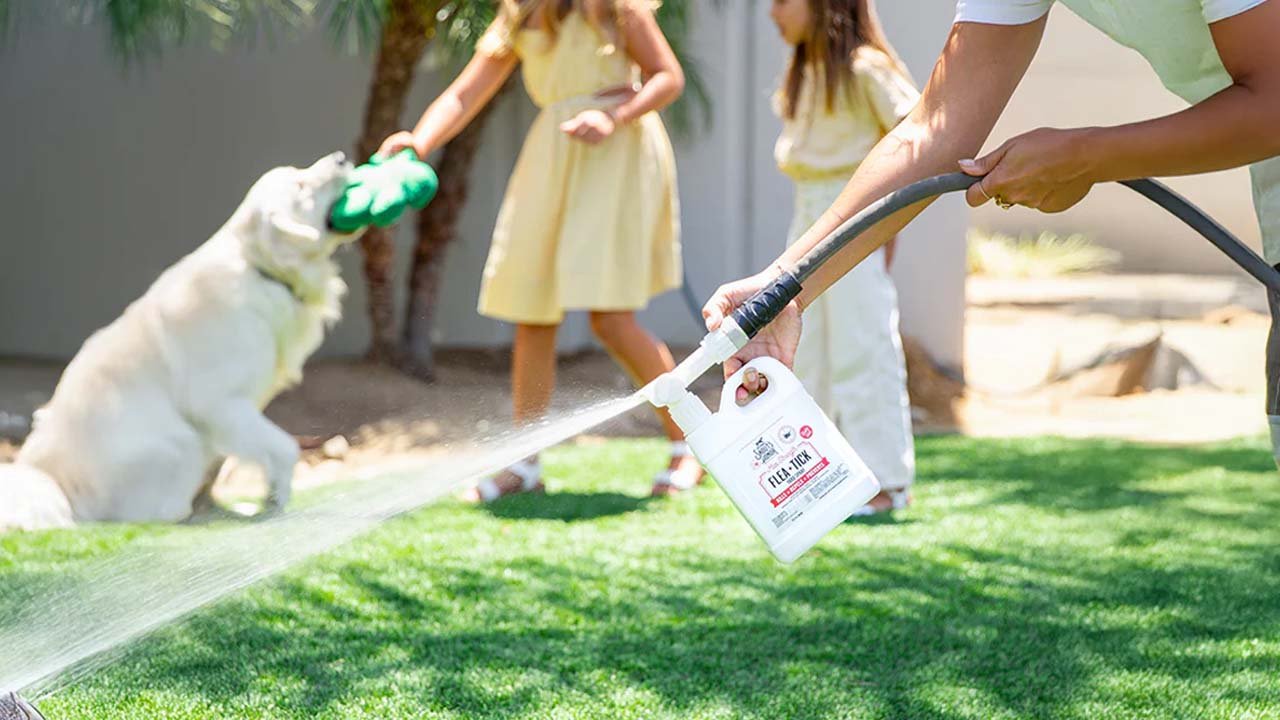
There are several proven methods used to eliminate fleas from homes and pets. Vacuuming is one of the most important steps, as it removes fleas, eggs, and larvae from carpets, rugs, furniture, and floors. Washing bedding, clothing, and pet items in hot water helps kill fleas at all stages of development. Insecticide sprays and foggers can be used to target adult fleas in infested areas, but they must be applied carefully for safety and effectiveness. Pet treatments such as shampoos, topical solutions, and oral medications are also essential to remove fleas directly from animals. Environmental control is equally important because untreated areas can lead to reinfestation. Multiple applications are often necessary since flea eggs can hatch after initial treatment. Flea treatment usually involves combining several methods to ensure complete elimination and long-lasting protection against future infestations.
Preventive Measures for Long-Term Flea Control
Prevention is a key part of maintaining a flea-free environment after treatment. Regular cleaning of carpets, floors, and furniture helps reduce the chances of flea buildup. Frequent grooming and bathing of pets are also important for early detection and prevention of reinfestation. Using preventive flea control products on pets can significantly reduce the risk of future outbreaks. Keeping living spaces clean and clutter-free minimizes hiding places for fleas and their eggs. Outdoor monitoring is also important because fleas can enter homes through pets that spend time outside. Consistent hygiene practices and preventive care create a strong barrier against future infestations. Flea treatment becomes more effective when combined with ongoing prevention strategies that maintain a clean and controlled environment over time.
Challenges in Complete Flea Eradication and Recovery Process
One of the biggest challenges in flea control is their ability to survive in hidden environments and resist certain treatments. Even after initial cleaning and treatment, eggs and larvae may remain and continue the infestation cycle. This makes repeated treatment and monitoring essential for full eradication. Fleas can also transfer easily between pets and humans, making containment more difficult without treating all affected areas at the same time. Emotional stress caused by constant itching and discomfort can also make the situation more challenging. Patience and consistency are required to achieve complete recovery. In severe cases, professional assistance may be necessary to ensure all infestation sources are properly addressed. Flea treatment requires a structured and continuous approach to ensure long-term success and prevent recurrence.
Final Thoughts on Flea Treatment for Long-Term Protection
In conclusion, flea treatment is not a single-step solution but a complete process that involves detection, elimination, prevention, and continuous monitoring. Fleas are persistent pests that require a combination of cleaning, chemical treatments, and pet care to fully control. Early detection and immediate action play a major role in reducing infestation severity. Maintaining hygiene, using preventive products, and regularly inspecting pets and living areas help ensure long-term protection. With consistent effort and proper methods, it is possible to achieve a clean, safe, and flea-free environment that remains protected over time.
