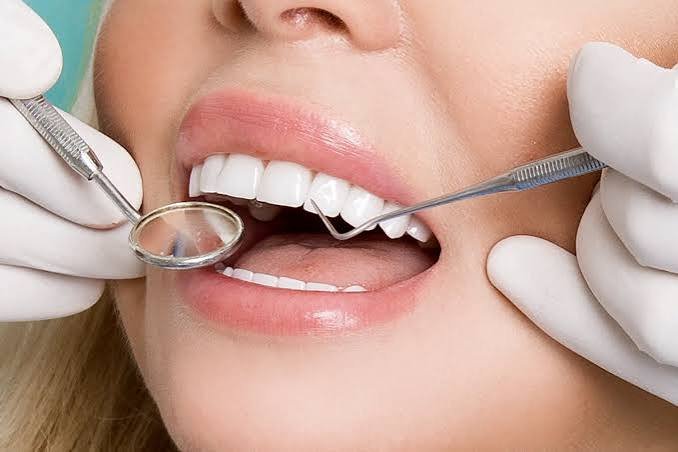
Veneers in Senior Dental Care
As we age and enter our twilight years, our teeth go through some major changes. Even the best cared for smile can become dull, chipped or uneven after decades of chewing, the thermal expansion and contraction that occurs from hot and cold foods and the natural thinning of enamel. While many seniors consider cosmetic dentistry an unnecessary luxury, the reality is that restorative procedures, and specifically the use of veneers, are integral in maintaining oral health, preserving tooth structure and maintaining your overall quality of life.
Modern dentistry has advanced light years beyond the “chalky” opaque and unnatural looking teeth of the past. It’s all about biocompatibility and appearances now. The aim is to provide a restoration with the same translucency, depth and strength of natural enamel, supporting both your appearance and your mechanical bite function.
Why Seniors Love Veneers for Long-Term Health
When people think of veneers, they often jump straight to the idea of a “Hollywood smile.” But for the senior set, these ultra-thin, custom-crafted shells of porcelain offer functional benefits that go far below the surface.
Restoring Structural Integrity and Enamel
As we age, our enamel layer gradually erodes, resulting in heightened sensitivity, discolouration, and an elevated risk of decay. A good veneer is a shield of protection, fortified. If the front surface of a tooth is sealed then it is well protected from any further attrition and acid erosion to the compromised enamel. For many, this preventive approach helps them avoid more invasive treatments like full-coverage crowns which require removal of much more natural tooth structure.
Improved bite function and jaw comfort
A bite that is out of alignment, worn down or has collapsed can cause more than just cosmetic issues; it can lead to chronic jaw pain, headaches, and even trouble chewing healthy foods. With careful restorative planning, veneers can be used to restore the vertical dimension and original surface anatomy of your teeth. The change will not only improve your smile but also how your upper and lower teeth meet, reducing mechanical stress on your temporomandibular joint (TMJ) and improving digestion by chewing more effectively.
How Natural Aesthetics Evolved
The days of early cosmetic dentistry’s “chiclet” look are gone, replaced by sophisticated material science. If you’re hesitant about veneers because you fear they’ll look fake, chances are you’re working with old information.
The Art of Translucency and Light Reflection
Natural teeth do not look like smooth, solid white blocks. There is depth, texture and light reflection, especially at the incisal edges. Modern fine china reproduces these features with almost perfect accuracy. When a cosmetic dentist designs your veneers, they match the shade, chroma and value of the rest of your mouth. This guarantees that the end product will blend perfectly with your other natural teeth, and that no one will be able to distinguish between the porcelain and your natural enamel.
Smile Design Customised for You
A great smile is not “one size fits all.” A good practitioner will consider the natural contours of your face, the shape of your lips and your individual bite pattern to come up with a result that looks like a healthier, more lively version of your original smile.
What Seniors Can Expect: Living Longer
A partnership with your dental team is essential for investing in your smile. Modern veneers are very durable, but their real-life lifespan is heavily dependent on the foundation they are bonded to, and how well you care for your overall oral environment.
The Daily Routine for Lasting Results
It’s easy to keep your results, but it takes discipline. Because these restorations are permanently bonded to your natural tooth structure, they need the same gentle care as your natural enamel.
- Gentle Oral Hygiene: Use a fluoride toothpaste that is non-abrasive and low on the RDA (Relative Dentin Abrasivity) scale. Use a soft-bristled electric toothbrush to avoid creating micro-scratches on the surface of the porcelain.
- Professional Maintenance: During regular hygiene visits, your hygienist will need to check the “margin” of the veneer, where it meets the natural tooth, to make sure bacteria aren’t building up or irritating the gum.
- Avoid Mechanical Stress: Porcelain is incredibly strong, but not indestructible. Do not use your teeth as tools to open packages or to hold metal objects, or to chew on ice. Micro-fractures can occur in the bonding material or in the veneer itself.
- Nighttime Protection: If you have a history of grinding your teeth (bruxism), your dentist may recommend getting a custom-fitted night guard to protect your natural teeth and your new veneers from excess pressure while you sleep.
Your Dental Future
Your smile is a core part of who you are and a reflection of your story. It warrants the same care you give the rest of your health. Opting for veneers is not just an act of vanity, but also an investment in your functional comfort, confidence, and ability to indulge in your favourite foods and social activities for years to come. With a skilled dentist who prioritises long-term results over quick fixes, you can achieve a result that looks entirely natural, leaving you with a durable and radiant smile for a lifetime.
Frequently Asked Questions
Are veneers painful?
None. The procedure is usually minimally invasive. The modern veneer is often as thin as a contact lens, so very little of the natural tooth structure has to be removed. Your dentist will ensure that you are comfortable the entire time and most patients report little to no discomfort during or after the process.
Can seniors with gum recession have veneers?
This depends on how bad the recession is and how healthy the underlying tissue is. First, your dentist needs to ensure your gums are healthy and stable. If there is significant recession, they may recommend a gum graft or specialised periodontal treatment before proceeding to ensure that the veneers are placed in a healthy, hygienic environment.
How long will the veneers last?
When well cared for, the highest quality porcelain veneers can often last anywhere from 10 to 20 years. The best way to maximise their lifespan is to maintain excellent oral hygiene, and regular dental checkups.
Are they going to let me eat normally?
Yep. After the bonding process is complete, the veneers are part of your tooth and you can return to your normal diet. However, it is always wise to be cautious of habits such as chewing ice or hard nuts, which can place undue stress on your teeth, natural or restored.
Are veneers covered by insurance?
Not most of the time. Most dental insurance plans consider veneers an elective or cosmetic procedure. That said, there can be some restorative benefits in some situations, if the veneers are used to repair a tooth that has been severely compromised or weakened by decay. It is always better to have your dentist perform a clinical assessment to determine if your case qualifies for coverage.