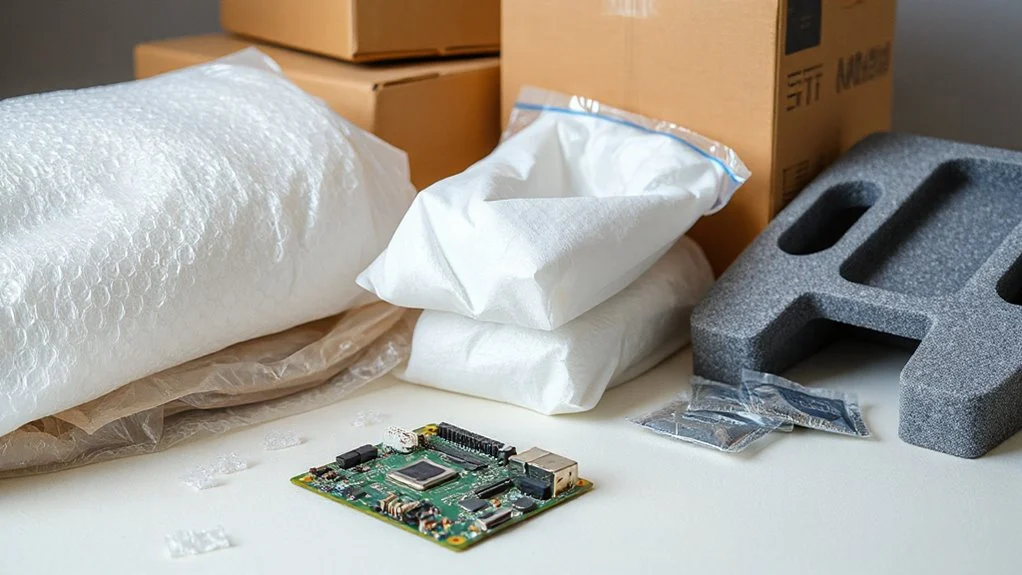
When shipping expensive electronics worth thousands of dollars, the last thing anyone wants is for products to arrive damaged or for packages to be tampered with during transit. How can banding improve package security for high-value electronics shipments?
Banding creates a tight, visible seal around packages that deters tampering and immediately shows if someone has tried to open the shipment. It holds packaging materials firmly in place, preventing boxes from accidentally opening and reinforcing weak points where thieves might gain access.
Keep reading to learn about the different types of banding materials available and how to choose the right option for your specific electronics shipments, because not all banding solutions offer the same level of protection.
What Types Of Banding Materials Work Best?
The three main options are steel strapping, polyester strapping, and polypropylene strapping. Steel offers the highest tensile strength and works well for heavy palletized shipments, but can damage delicate electronics if applied too tightly. Polyester provides excellent retained tension and doesn’t lose grip during temperature changes, making it ideal for electronics traveling through varying climates. Polypropylene is the most economical choice for lighter individual packages, though it isn’t as strong as the other options.
How Does Banding Compare To Stretch Wrap For Tamper Evidence?
Banding provides superior tamper evidence because any attempt to remove or cut the bands leaves obvious physical evidence. Stretch wrap can be carefully peeled back and reapplied with heat, making unauthorized access harder to detect. Many shippers rely on secure bundling and banding for logistics by combining both methods — banding as the primary security seal and stretch wrap, adding weather protection and load stability
Best Practices For Applying Banding To Electronics Shipments
Position bands at the most vulnerable points of the package — typically around the top, middle, and bottom of boxes, or across seams where flaps meet. Use edge protectors where bands contact the package to prevent strapping from cutting into cardboard under tension. Make sure banding is tight enough to secure the package but not so tight that it crushes contents or deforms the box. For high-value shipments, consider numbered or color-coded seals on the bands so the receiving party can verify they match the documentation. When customers need to send cargo to Pakistan, City Cargo Services’ packing, sealing, customs clearance, and door-to-door delivery process can help support safer long-distance handling.
Does Banding Help Reduce Insurance Costs?
Many insurance carriers offer lower premiums or better coverage terms when shippers demonstrate proper security measures like banding. Some carriers specifically require banding for electronics shipments above certain value thresholds as a condition of coverage. Document your banding procedures and photograph properly secured packages to strengthen any potential insurance claims and prove reasonable precautions were taken.
Automated Versus Manual Banding
Automated banding systems provide more consistent tension and seal quality across all packages, eliminating human error that can occur with manual application — particularly important for fragile electronics that could be damaged by over-tightening. Manual banding tools give workers flexibility for unusual package sizes and can be more cost-effective for smaller operations. For maximum security on high-value electronics, automated systems are generally the better choice, though the upfront investment may not make sense for every operation.
How Does Banding Integrate With Tracking Technology?
RFID tags can be embedded directly into banding seals, allowing shippers to verify that the original seal remains intact throughout transit. Some advanced systems send automatic alerts if a band is cut or removed at any point, providing real-time notification of potential tampering. GPS-enabled seals attached to bands provide continuous location monitoring along with tamper detection, recording every time a package changes hands and detecting unusual route deviations. While these solutions add cost per shipment, they’re often worthwhile for electronics valued at several thousand dollars or more. The data collected also helps identify weak points in the supply chain by flagging distribution centers or carriers with consistently higher rates of seal breaks.
Environmental Factors Affecting Banding Performance
Temperature fluctuations present one of the biggest challenges for maintaining banding tension. Polypropylene strapping can lose up to 50% of its tension when exposed to temperature swings between hot warehouses and cold cargo holds, creating slack that makes packages easier to open without obvious evidence of tampering. Polyester strapping maintains consistent tension across a wide temperature range, making it the preferred choice for electronics traveling through multiple climate zones. Humidity weakens corrugated cardboard, making it easier for bands to cut through material or for boxes to fail at banding points — using waterproof edge protectors and distributing pressure evenly helps prevent this type of failure.
How Small Businesses Can Implement Cost-Effective Solutions
Handheld banding tools start at just a few hundred dollars and can secure packages effectively without expensive automated equipment. The per-package cost of banding materials typically ranges from just $0.50 to $2.00, making it an affordable security investment even for businesses shipping only a few high-value items per week. Partnering with a third-party logistics provider (3PL) that already has banding equipment spreads capital costs across multiple clients, giving small businesses access to enterprise-level security without the investment. Buying banding supplies in bulk and storing them in climate-controlled environments locks in better pricing without the risk of materials degrading before use.
What Role Does Banding Play In Preventing Internal Theft?
Industry estimates suggest employee theft causes 30–40% of inventory shrinkage in warehousing operations. Banding creates accountability checkpoints that make internal theft significantly more difficult — when packages are banded immediately after packing, any package arriving at the next checkpoint without intact bands triggers an investigation into who handled it last. Some warehouses use different colored bands or numbered seals for different shifts or packing teams, making it easier to identify when and where a security breach occurred. The psychological impact of visible security measures also reinforces a culture of accountability, particularly in environments with high turnover or seasonal workers.
Securing Your Next Shipment
Evaluate your current packaging process to identify where you’re most vulnerable to tampering or theft. Start by banding your next few high-value shipments and document any differences in delivery condition, recipient feedback, or insurance costs compared to previous methods. This hands-on experience will quickly show whether investing in permanent banding equipment makes sense for your specific shipping volume and risk profile.