
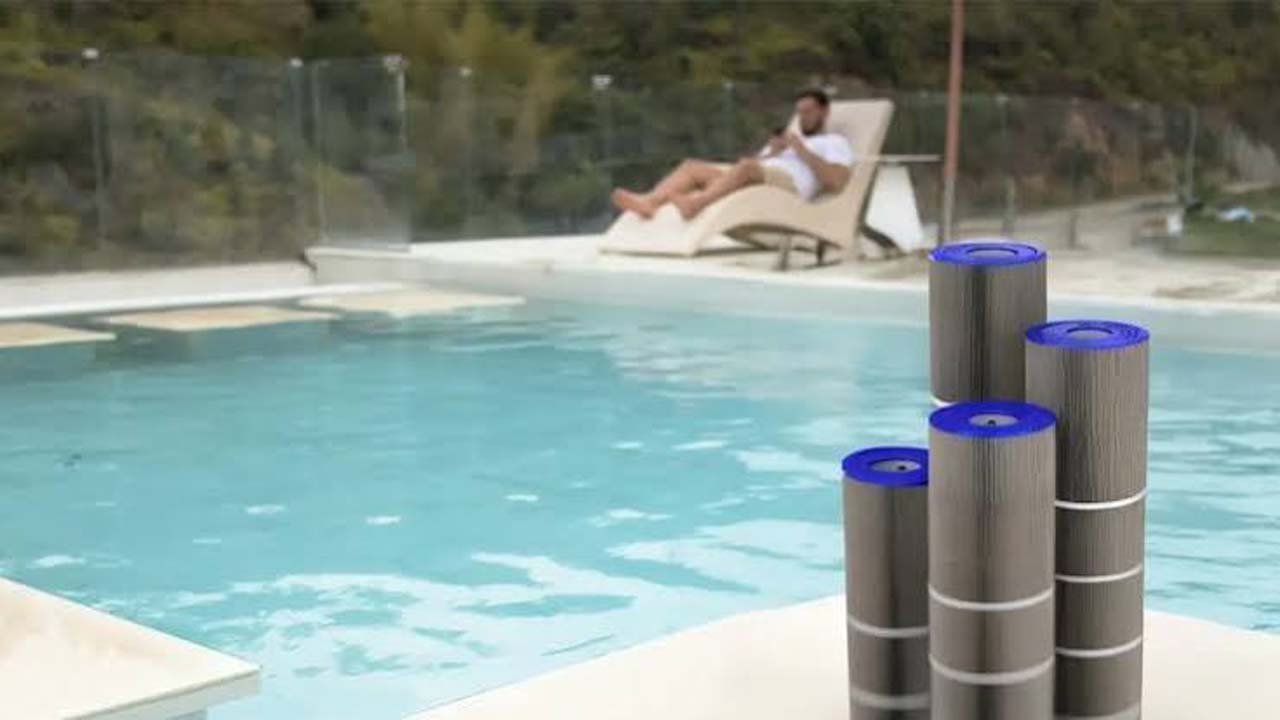
Introduction to Pool Water Quality Management
Swimming pools require continuous care and maintenance to ensure that water remains clean, safe, and enjoyable for users. Without proper maintenance, pool water can quickly become contaminated with dirt, bacteria, algae, and other impurities that make it unsafe for swimming. One of the most important components responsible for maintaining water quality is the filtration system, which works continuously to remove unwanted particles from the water. These systems are essential for keeping pools in good condition and reducing the risk of waterborne issues. Among the most critical elements in this process are pool filters, which ensure that debris and microscopic contaminants are removed efficiently. A well-maintained filtration system helps maintain crystal-clear water while also reducing the need for excessive chemical treatments. Over time, advancements in technology have made filtration systems more efficient, reliable, and easier to maintain, making them a vital part of modern pool care.
Importance of Filtration in Swimming Pools
Filtration plays a central role in maintaining swimming pool hygiene and usability. Every time a pool is used, it collects dirt, body oils, leaves, dust, and other contaminants that affect water quality. Without a proper system in place, these impurities accumulate quickly, leading to cloudy and unsafe water conditions. Pool filters are responsible for continuously cleaning the water by trapping these unwanted particles and allowing only clean water to circulate back into the pool. This process not only improves water clarity but also helps maintain a balanced chemical environment. When filtration is effective, it reduces the workload on chemical disinfectants and prevents the growth of harmful microorganisms. A poorly maintained filtration system can result in frequent water issues, higher maintenance costs, and potential health risks. Therefore, understanding the importance of filtration is essential for long-term pool care and safety.
How Filtration Systems Work in Pools
A swimming pool filtration system operates through a continuous circulation process. Water is drawn from the pool using a pump, passed through a filtration unit, and then returned in a purified state. This cycle runs multiple times a day to ensure consistent water quality. Pool filters act as the core component of this system by capturing dirt, debris, and microscopic particles that are invisible to the naked eye. Depending on the type of filtration system, different materials such as sand, cartridges, or diatomaceous earth are used to trap contaminants. Each system has its own level of efficiency and maintenance requirements, but all serve the same purpose of keeping water clean and safe. Without proper filtration, even treated water can quickly become contaminated again, highlighting the importance of a well-functioning system.
Types of Pool Filtration Systems
There are several types of filtration systems used in modern swimming pools, each offering different levels of performance and maintenance needs. Sand-based systems are widely used due to their durability and ease of operation. Cartridge systems are popular for their ability to capture finer particles and require less water for cleaning. Diatomaceous earth systems provide the highest level of filtration, producing extremely clear water by trapping even the smallest particles. All of these systems rely on pool filters to perform the essential task of cleaning water efficiently. The choice of system depends on pool size, usage frequency, and maintenance preferences. While some systems require regular backwashing, others need periodic replacement of filter elements. Understanding these differences helps pool owners choose the most suitable option for their needs.
Maintenance and Cleaning Requirements
Regular maintenance is crucial for keeping filtration systems in good working condition. Over time, filters can become clogged with debris, reducing their efficiency and affecting water flow. This can lead to cloudy water, increased chemical usage, and higher energy consumption. Pool filters must be cleaned or replaced periodically depending on their type and usage level. Sand filters require backwashing, cartridge filters need manual cleaning or replacement, and diatomaceous earth systems require replenishment of filter media. Ignoring maintenance can result in system failure and costly repairs. A consistent maintenance schedule ensures that the filtration system continues to operate efficiently and extends its lifespan. Proper care also reduces strain on other pool equipment, helping maintain overall system performance.
Common Issues in Pool Filtration Systems
Like any mechanical system, pool filtration units can experience problems over time. Reduced water flow is one of the most common issues, often caused by clogged filters or pump inefficiencies. Cloudy water is another sign that the system is not functioning properly. Air leaks, pressure imbalances, and worn-out components can also affect performance. Pool filters are usually the first components to show signs of wear and require timely attention. If these issues are ignored, they can lead to more serious damage and higher maintenance costs. Regular inspection helps detect problems early and ensures that the system continues to operate effectively. Proper troubleshooting and timely repairs are essential for maintaining water quality and system reliability.
Technological Improvements in Filtration Systems
Advancements in technology have significantly improved the performance and efficiency of modern filtration systems. Automated monitoring systems can now track water quality, pressure levels, and filter conditions in real time. Smart sensors notify users when maintenance is required, making system management more convenient and accurate. Modern pool filters are designed with improved materials that provide better durability and higher filtration efficiency. Energy-efficient pumps and automated cleaning systems have also reduced manual effort and operating costs. Some systems are even integrated with mobile applications, allowing remote monitoring and control. These technological improvements have made pool maintenance more efficient, reliable, and user-friendly.
Health and Safety Benefits of Proper Filtration
Proper filtration is essential for maintaining a safe swimming environment. Contaminated water can lead to skin irritation, eye infections, and other health-related issues. Effective pool filters help remove bacteria, algae, and other harmful microorganisms that may develop in untreated water. Clean and well-filtered water ensures a safe and enjoyable swimming experience for all users. Additionally, proper filtration helps prevent slippery surfaces caused by algae buildup, reducing the risk of accidents. A well-maintained system ensures that water remains hygienic and safe throughout the swimming season. This makes filtration one of the most important aspects of pool safety management.
Cost Efficiency and Long-Term Value
Investing in a high-quality filtration system provides long-term financial benefits. Efficient pool filters reduce the need for excessive chemical treatments and lower overall maintenance costs. Poor filtration can lead to frequent water problems, higher energy usage, and expensive repairs. Regular maintenance and timely replacement of components help prevent system failures and extend equipment lifespan. A well-functioning system also protects other pool components by reducing contamination and wear. Although initial investment costs may vary, the long-term savings and improved performance make filtration systems a valuable asset for any pool owner.
Conclusion on Effective Pool Water Management
In conclusion, maintaining clean and safe swimming pool water depends heavily on the efficiency of filtration systems. The role of pool filters is essential in removing impurities, improving water clarity, and ensuring safe swimming conditions. Regular maintenance, proper system selection, and timely repairs are key factors in achieving long-term performance. Technological advancements have made modern filtration systems more efficient and easier to manage, reducing manual effort while improving results. A well-maintained system not only enhances safety and hygiene but also provides long-term cost savings and durability. Proper filtration ensures that swimming pools remain clean, safe, and enjoyable for all users throughout their lifespan.
