
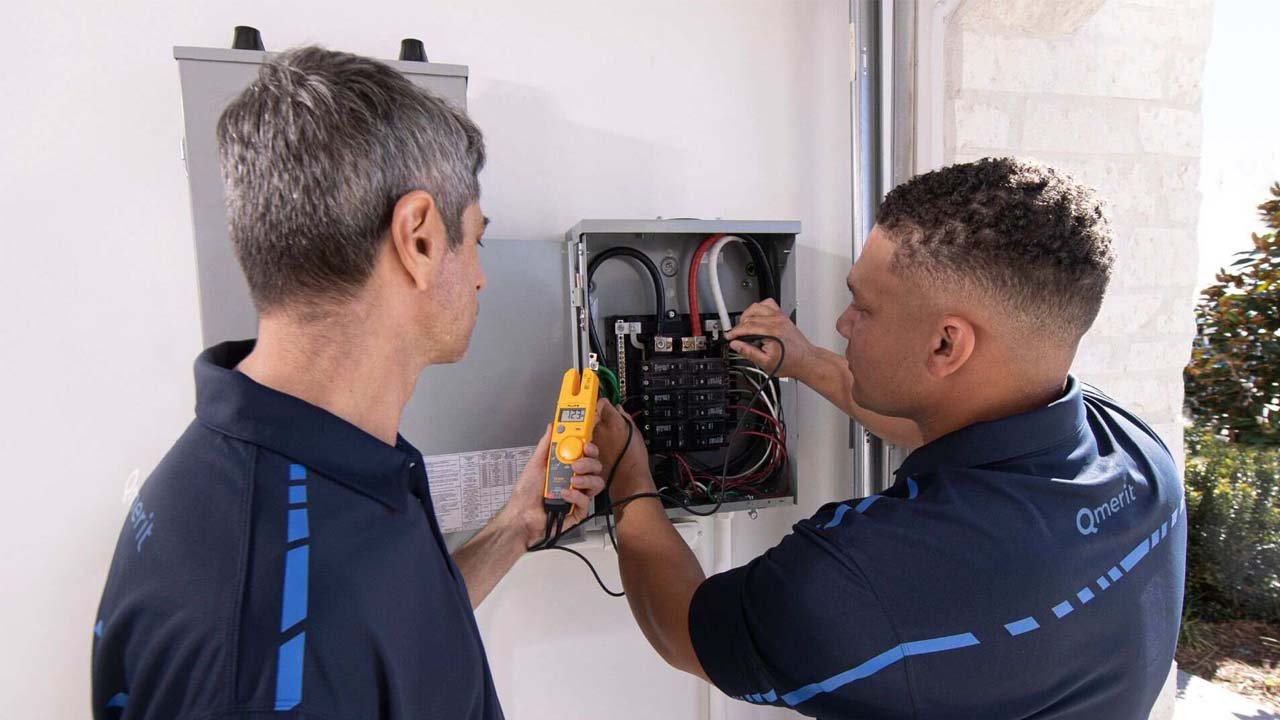
Electrical systems are one of the most essential components of any building, providing power for lighting, appliances, machinery, and critical daily operations. As technology advances and energy demands continue to increase, older electrical systems often struggle to keep up with modern requirements. This can lead to overloaded circuits, frequent breaker trips, power fluctuations, and serious safety risks if not addressed in time. Upgrading electrical infrastructure has therefore become a necessary step in maintaining safe and efficient power distribution. One of the most important aspects of this upgrade process is panel changeouts, which involve replacing outdated or overloaded electrical panels with modern systems designed to handle higher electrical loads safely. These upgrades play a crucial role in improving system reliability, reducing hazards, and ensuring that buildings can support current and future energy needs without disruption.
Understanding Electrical Distribution Systems
Electrical distribution systems are responsible for delivering power from the main source to various circuits within a building. These systems include circuit breakers, wiring, and electrical panels that control how electricity is distributed and managed. Over time, as more devices and appliances are added, the demand on these systems increases significantly. Older panels, which were designed for lower energy consumption, often become insufficient for modern usage. This mismatch between capacity and demand can lead to overheating, inefficiency, and electrical failures. Proper panel changeouts ensure that the electrical system is upgraded to handle current energy requirements while maintaining safe and balanced power distribution throughout the building.
Signs of an Outdated Electrical Panel
There are several indicators that suggest an electrical panel may need to be replaced or upgraded. One of the most common signs is frequent tripping of circuit breakers, which occurs when the system is overloaded. Flickering lights, inconsistent power supply, and unusual buzzing sounds from the panel are also warning signs of electrical issues. In some cases, outdated fuse boxes or panels that are several decades old may no longer meet modern safety standards. The addition of new appliances, HVAC systems, or high-powered equipment can also exceed the capacity of older panels. When these signs appear, timely panel changeouts become necessary to prevent system failure and ensure safe electrical performance.
Safety Risks of Aging Electrical Systems
Aging electrical systems pose serious safety risks if not properly upgraded. One of the most significant dangers is the risk of electrical fires caused by overloaded circuits or faulty wiring. When electrical panels are unable to handle increased load, excessive heat can build up, damaging insulation and increasing fire hazards. Another risk involves electrical shocks due to outdated grounding systems or deteriorated components. Older systems may also lack modern safety features such as advanced circuit protection and fault detection. These risks highlight the importance of upgrading electrical infrastructure through professional panel changeouts to ensure a safe and reliable power system.
Benefits of Upgrading Electrical Panels
Upgrading electrical panels offers a wide range of benefits beyond improved safety. One of the primary advantages is enhanced system capacity, allowing buildings to support modern appliances and technologies without overloading circuits. Improved energy efficiency is another key benefit, as modern panels distribute electricity more effectively and reduce energy loss. Upgraded systems also provide better reliability, minimizing the risk of unexpected outages or electrical failures. In addition, modern panels are designed with advanced safety features that help protect both the building and its occupants. These benefits make panel changeouts a valuable investment for long-term electrical system performance.
Role of Professional Electrical Installation
Electrical panel upgrades require expert knowledge and precision to ensure safe installation and compliance with building codes. Professional electricians are trained to evaluate existing systems, determine load requirements, and recommend appropriate upgrades based on usage needs. They also ensure that wiring, breakers, and connections are properly installed and tested for safety. Attempting to perform such upgrades without professional expertise can lead to serious hazards, including electrical shock or system failure. Professional panel changeouts ensure that the installation is completed safely, efficiently, and in accordance with modern electrical standards.
Supporting Modern Energy Demands
Modern buildings rely heavily on advanced electrical systems to power a wide range of devices and appliances. From smart home systems and energy-efficient HVAC units to industrial machinery and entertainment systems, energy demand has increased significantly over time. Older electrical panels are often not designed to handle these higher loads, leading to frequent disruptions and inefficiencies. Upgrading electrical infrastructure ensures that the system can safely support modern energy requirements without risk of overload. Proper panel changeouts provide the necessary capacity and stability to accommodate these growing demands while maintaining consistent power distribution.
Energy Efficiency and System Optimization
Modern electrical panels are designed to improve energy efficiency by optimizing the flow of electricity throughout the system. Older panels often suffer from inefficiencies that result in energy loss and uneven distribution. Upgraded systems ensure that electricity is distributed more effectively, reducing waste and improving overall performance. This not only lowers energy bills but also enhances the lifespan of electrical components by preventing overload conditions. Efficient energy distribution is a key advantage of panel changeouts, making them an essential part of modern electrical system optimization.
Cost Savings and Long-Term Value
While electrical panel upgrades require an initial investment, they offer significant long-term financial benefits. Improved energy efficiency leads to lower electricity bills, while reduced maintenance needs decrease ongoing repair costs. Upgraded systems also reduce the likelihood of emergency repairs, which can be expensive and disruptive. Additionally, modern electrical systems increase property value, making buildings more attractive to buyers and tenants. By investing in panel changeouts, property owners can achieve long-term cost savings while improving the safety and performance of their electrical systems.
System Reliability and Maintenance Reduction
Modern electrical panels are built for durability and long-term performance, reducing the need for frequent maintenance and repairs. Unlike older systems that may experience constant issues, upgraded panels provide stable and reliable power distribution. This reduces downtime and ensures uninterrupted operation for residential, commercial, and industrial environments. Regular inspections are still recommended, but the likelihood of major electrical failures is significantly reduced with updated systems. Proper panel changeouts contribute to a more reliable and efficient electrical infrastructure that supports long-term operational stability.
Technological Advancements in Electrical Systems
The electrical industry continues to evolve with advancements in smart technology, automation, and energy management systems. Modern panels are increasingly integrated with digital monitoring features that provide real-time data on energy usage and system performance. These innovations allow for better control, early fault detection, and improved efficiency. As technology continues to advance, electrical systems will become even more intelligent and energy-efficient. However, the foundation of these advancements depends on proper infrastructure upgrades, making panel changeouts a critical step in modern electrical system development.
Environmental Impact of Efficient Electrical Systems
Energy-efficient electrical systems play an important role in reducing environmental impact. By optimizing power distribution and reducing energy waste, modern panels help lower overall electricity consumption. This contributes to reduced carbon emissions and supports sustainable energy practices. Efficient systems also reduce strain on power grids, improving overall energy stability. Investing in upgraded electrical infrastructure not only benefits property owners but also contributes to broader environmental sustainability goals. Proper panel changeouts are therefore an important step toward creating more eco-friendly and energy-efficient buildings.
Conclusion
A safe and efficient electrical system is essential for the smooth operation of any modern building. As energy demands continue to increase, older electrical panels often become inadequate and unsafe, leading to performance issues and potential hazards. Upgrading electrical infrastructure ensures improved safety, better energy management, and enhanced system reliability. Modern electrical panels are designed to handle higher loads while providing advanced protection and efficiency. Investing in professional upgrades helps prevent electrical failures, reduce costs, and improve long-term performance. Proper panel changeouts are a crucial part of maintaining a safe, reliable, and future-ready electrical system that meets modern energy needs and supports long-term property value.
