
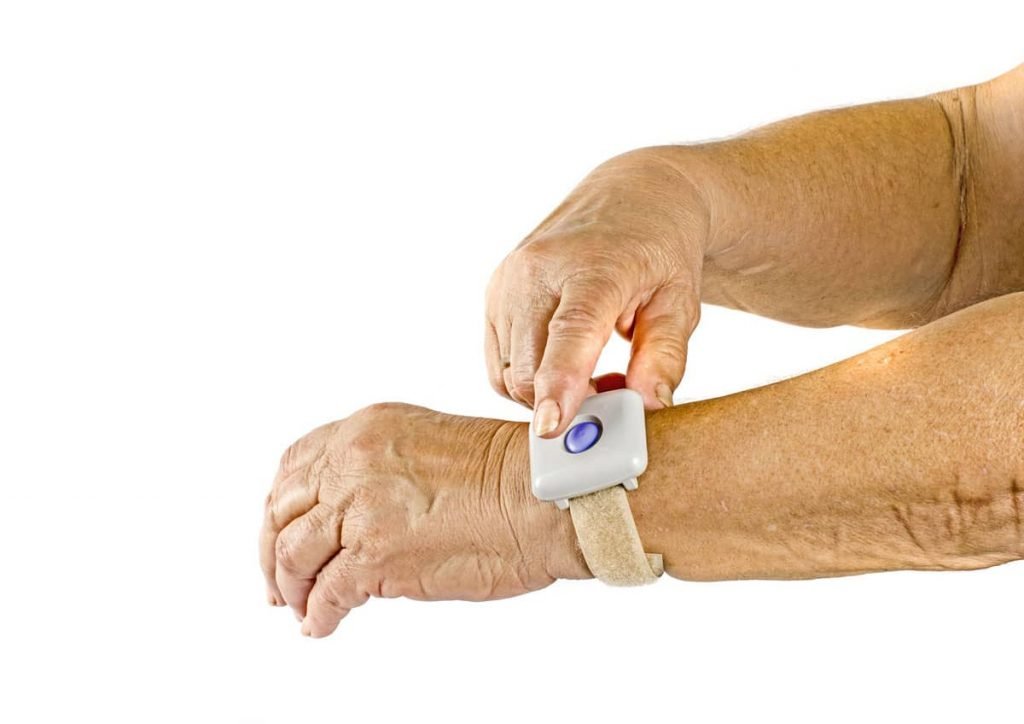
For many Canadian seniors, staying independent at home is a priority, but safety becomes an equally important concern with age. As older adults continue choosing to age in place rather than move into assisted living facilities, personal emergency response systems have become increasingly popular.
One of the leading brands in the personal safety devices category is Life Alert, which helps elderly individuals receive instant help in the event of falls, medical emergencies, or other accidents.
As obvious as it may sound, one of the first things that comes to mind for Canadian seniors when thinking about such a device is its cost. Unfortunately, the price of a particular device depends on various factors and can vary widely from one case to another.
Even though the initial price of such a device may seem high at first, analyzing what it covers will make one realize that the purchase is well worth it.
To get a clear view of the whole process, a person needs to gather all the necessary information about Life Alert pricing in Canada.
This article explores more about what you need to know about Life Alert pricing in Canada.
1. Monthly Monitoring Fees Are the Main Expense
One of the biggest contributors to Life Alert pricing in Canada would be the monthly monitoring fees. This type of fee covers the user’s ability to reach out to trained professionals who work at the 24/7 emergency response centers.
In Canada, there is variation in monthly monitoring fees, as these amounts differ by service provider and the type of package the user has chosen. For instance, an in-home system will generally cost less than a mobile system.
There is also variation based on whether the system provides GPS tracking and cellular capabilities. Some services also have monthly fees that cover dispatch services, communication with caregivers, and customer support.
2. Equipment Costs May Be Included or Separate
Another key consideration that goes into the pricing of Life Alert service packages includes equipment cost. This cost can either be bundled within the subscription fees or unbundled to the customer.
The typical equipment consists of emergency buttons that can be worn, base units, mobile devices, docking stations, and communications systems. While some companies allow renting of this equipment, others expect customers to purchase it.
Advanced features such as GPS tracking or fall detection make mobile devices pricier than regular devices without such features. Devices that are waterproof for use during showers are also likely to add to the cost.
3. Installation and Activation Fees Can Add Up
Some Life Alert systems in Canada have an activation fee for setting up an account and configuring the device. Traditional home-based devices using landlines might need to be installed by professionals, which will make the initial cost more expensive.
However, there are now many Life Alert systems available that consumers can easily install themselves.
Activation fees depend on each provider. Some may even waive such fees if there is an ongoing promotion or incentive offer. There are other companies that charge their customers a considerable amount for activation before beginning the service.
4. Mobile Systems Usually Cost More
Seniors have a preference for mobile alert systems since they ensure safety within and outside the house. These alert systems generally rely on cellular and GPS technology to connect the individual with any necessary help in case of an emergency.
Although mobile alert systems are more convenient and flexible, they cost more than standard home-based alert systems. The reason is that mobile alert systems require more technological elements, including cell phone charges and GPS.
Advanced technologies may even allow for automatic fall detection or two-way conversations through the wearable technology.
For physically active seniors who leave their homes frequently, the additional costs are justifiable since they can benefit from their alert system wherever they go. For seniors who do not move around much, it would not make sense to spend extra money.
5. Automatic Fall Detection Often Costs Extra
Automatic fall detection is one of the most valuable features available in modern Life Alert systems. This technology uses sensors to identify sudden movements and impacts that may indicate a fall.
If a fall is detected, the system can automatically contact emergency responders even if the user cannot press the help button.
Although this feature can significantly improve safety, it often comes with additional monthly charges. Some providers include fall detection only in premium packages, while others offer it as an optional add-on.
For seniors with mobility issues, balance problems, or medical conditions, fall detection may be well worth the added expense. Fast emergency response can reduce the risk of severe complications and improve recovery outcomes after an accident.
6. Long-Term Contracts May Affect Pricing
The first thing most consumers often miss is the type of contractual obligation required by some of the firms providing Life Alert services. For example, there are companies that require consumers to enter into long-term contracts, whereas there are other companies that provide flexible month-to-month services.
Even though long-term contracts come with cheaper monthly fees, they usually have cancellation costs attached to them in case one cancels their service before the contract expires.
Wrapping Up
When evaluating Life Alert pricing in Canada, it is important to look beyond the monthly fee alone. Equipment costs, activation charges, mobile features, and optional upgrades all contribute to the total investment.
Although the cost of the alarm system may be considered relatively high, there are many families who perceive an alarm system as something really worthwhile for senior members to keep their independence.
The choice of the proper alarm system ensures prompt help in case of emergency, reduces risks and consequences of injuries, and provides reassurance for both seniors and their relatives.